Top 10 Plasma Table Manufacturers for Global Buyers

A plasma table can turn a digital drawing into a cut steel part within minutes. But the result depends on more than cutting speed. Frame rigidity, torch-height control, software compatibility, and dependable service all shape daily performance. For global buyers, comparing manufacturers means looking beyond brochure specifications to the support available after installation.

The World Steel Association’s October 2024 Short Range Outlook projected global steel demand at 1.75 billion tonnes in 2024 and 1.77 billion tonnes in 2025. That forecast signals sustained demand for steel, though it does not guarantee growth for every fabricator or region. Small differences matter. A buyer’s material mix, production volume, and local service access can change which machine makes practical sense.

Cut quality also deserves a measurable standard. ISO 9013:2017 classifies quality requirements for thermal cutting, including dimensional tolerances and surface characteristics. It offers buyers a useful reference when discussing sample cuts, but it cannot replace hands-on testing with their own materials. That part is easy to overlook. The manufacturers in this guide are compared through buyer-focused factors such as machine configuration, control systems, consumables, technical assistance, and warranty support. Treat the list as a starting point, not a universal ranking; a well-known supplier may still be the wrong fit for a particular workshop.
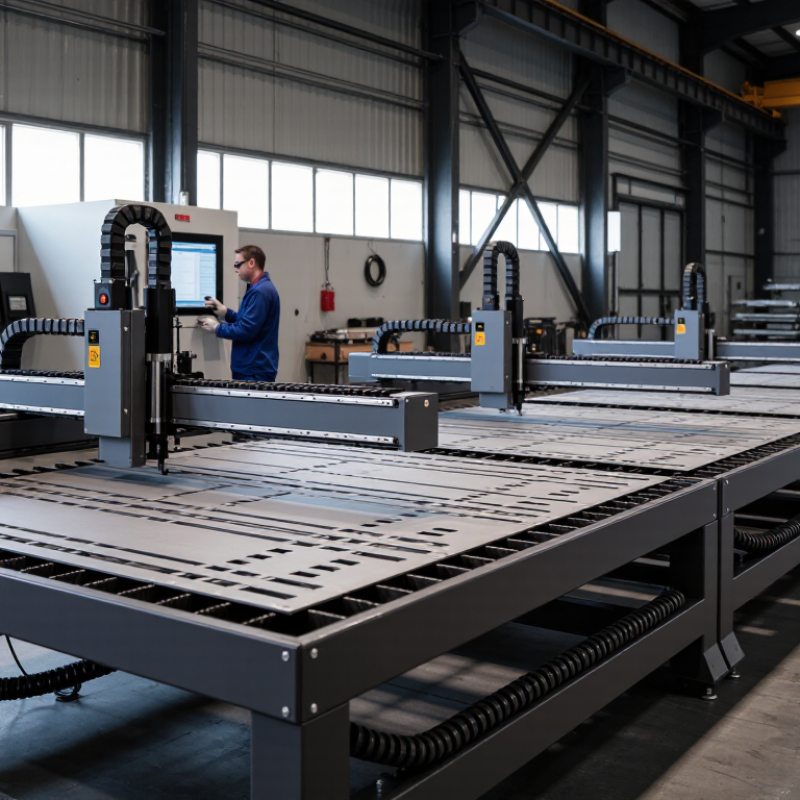
Top 10 Plasma Table Manufacturers for Global Buyers

What Plasma Tables Are and How They Are Used

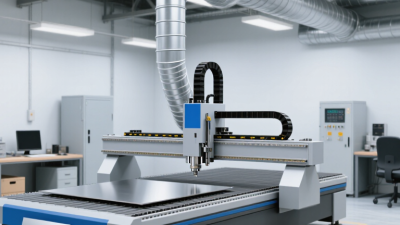
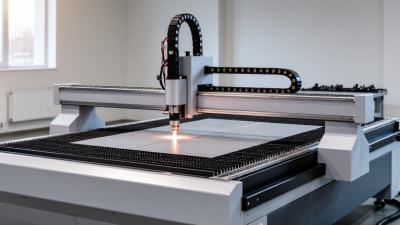
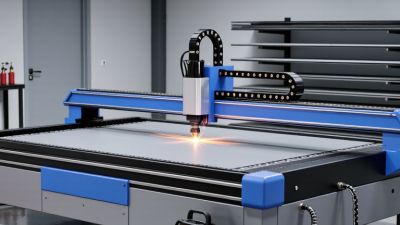
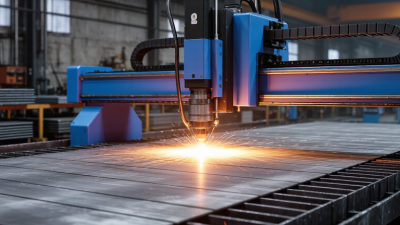
A plasma table is a computer-controlled cutting system that moves an electrically charged torch across a flat work surface. The torch uses compressed gas and heat to cut conductive metals, such as mild steel, stainless steel, and aluminum. The operator loads a drawing, sets cutting parameters, and secures the sheet. The machine then follows the programmed path. Simple in concept. Setup still matters.

In fabrication shops, plasma tables are used for brackets, equipment panels, signs, and irregular parts that would be slow to cut by hand. A height-control system helps keep the torch at a suitable distance from the sheet, while proper grounding supports a stable arc. Operators also check consumables, airflow, and ventilation before cutting. Small details show up in the result: a worn nozzle can leave a rough edge, and incorrect speed may create excess slag. The cut is not always pretty on the first pass. Plasma is useful for many production tasks, but it does not replace every process; very fine features or tight tolerances may call for another cutting method. When comparing tables, buyers should look at the working area, material thickness range, control features, and available service support.

Key Factors for Evaluating Plasma Table Manufacturers

Top 10 Plasma Table Manufacturers for Global Buyers

Key Factors for Evaluating Plasma Table Manufacturers

Choosing a plasma table manufacturer takes more than comparing cutting-area dimensions and advertised speed. Examine the frame, gantry, drive system, and torch-height control as a working set. These parts affect stability, cut consistency, and how reliably the machine handles long production runs. Ask for repeatability data and sample cuts on material close to your own, such as 6 mm steel plate. A clean edge in one demonstration is useful, but it does not guarantee the same result in daily use.

Check how the manufacturer explains installation, operator training, spare parts, and routine maintenance. Clear drawings and realistic service timelines matter, especially when the machine will operate far from the supplier. Confirm the table’s load capacity, usable cutting area, and compatibility with your chosen extraction and air systems. Request a written warranty and clarify what it covers. A polished brochure is not proof of dependable support; buyers should verify details and leave room for uncertainty.

Tips: Ask for a live cutting demonstration using your material. Check the finished edge, pierce quality, and corner accuracy. Request references from buyers with similar workloads. If answers about maintenance or service are vague, pause and ask again.

Top 10 Plasma Table Manufacturers for Global Buyers

For global buyers, a useful top 10 plasma table manufacturers list should compare capabilities, not simply rank familiar names. Start with the materials and thicknesses you cut most often. A shop processing 6 mm sheet has different needs from one handling thick plate every shift. Check cutting-area dimensions, table load capacity, positioning accuracy, and supported power sources. Ask how performance was tested. A specification sheet alone may leave important gaps.

Look for practical engineering details: stable gantry movement, reliable torch-height control, accessible consumables, and clear maintenance instructions. Request a demonstration using material similar to yours. Watch the cut edge, listen for vibration, and inspect how quickly operators can set up a job. Small details matter. Ask for references from customers with comparable workloads, plus documentation for quality systems and relevant safety requirements. Claims deserve evidence.

Service can separate a good supplier from a costly one. Confirm response times, spare-parts availability, remote troubleshooting, training, and warranty coverage in writing. For overseas delivery, clarify packaging, installation support, language options, and who handles commissioning. Compare the full cost, not just the machine price. A low quote may exclude useful support; a higher one may include features your team will never use. No shortlist is perfect, and even careful research can miss a detail. Keep a scoring sheet, but leave room for a factory visit or live cutting trial before committing.

Comparing Product Range, Support, and International Reach

Choosing among the top 10 plasma table manufacturers means looking beyond cutting speed. Compare working-area sizes, torch-height control, software options, and compatibility with extraction systems. A compact table may suit a small workshop, while larger plate jobs need more bed space and clear loading access. Ask for specification sheets and confirm which accessories come standard. Details matter.

Support can shape the real cost of ownership. Check whether setup guidance, operator training, troubleshooting, and replacement consumables are available after delivery. For international buyers, ask about shipping arrangements, packaging, installation support, and the time zone for technical help. Request written warranty terms and a sample maintenance schedule. A polished brochure is useful, but it cannot replace a clear answer about spare-part lead times. I have seen comparisons overvalue features and understate downtime; that is an easy mistake to make.

Tips: Send the same material thickness, cut shape, and expected workload to each supplier. Compare their replies, not just their headline prices. Also verify power requirements and service coverage for your location. Some information may remain unclear until a machine is tested, so treat estimates as estimates.

Top 10 Plasma Table Manufacturers for Global Buyers - Comparing Product Range, Support, and International Reach

Anonymous comparison profiles based on publicly described product categories and support models. The labels are not a ranking; product availability, service coverage, and configuration vary by market.

Profile Primary market Product range Typical cutting capabilities Support model International reach Best suited to
Manufacturer 1 North America CNC plasma table systems, plasma power sources, and consumables Mechanized plasma cutting; configurations range from general-purpose to higher-production systems Technical support, training resources, and service through regional representatives and distributors Broad Buyers seeking an integrated plasma-and-table solution with established consumables availability
Manufacturer 2 North America Shop and production CNC cutting tables, with plasma-oriented configurations Plasma cutting with CNC control; options and table sizes depend on the selected system Dealer and service-partner support, plus operator guidance and technical documentation Broad Small and midsize fabricators comparing shop-ready systems and scalable options
Manufacturer 3 Europe Industrial CNC thermal-cutting machines, including plasma table configurations Plasma and, on applicable machine platforms, oxyfuel cutting; automation options vary by model Regional sales and service organizations, commissioning, and application support Broad Production facilities that need industrial machine options and local technical assistance
Manufacturer 4 Europe Heavy-duty CNC cutting systems for plate processing Plasma and oxyfuel configurations; some platforms offer bevel or multi-process options Machine installation, operator training, and support through regional offices or authorized partners Broad Industrial buyers processing plate in a range of thicknesses and seeking configurable systems
Manufacturer 5 East Asia and North America CNC cutting machines and plasma-oriented plate-cutting systems Plasma and oxyfuel options across selected machine ranges Direct sales and service in core markets, supplemented by overseas representatives Established Buyers comparing machine platforms from a supplier with a long-standing cutting-equipment business
Manufacturer 6 Central Europe Modular CNC cutting machines, including large-format table and gantry systems Plasma, oxyfuel, and optional processes or automation depending on machine configuration Engineering, commissioning, training, and service delivered through international subsidiaries or partners Broad Factories needing configurable equipment, automation, or integration with production workflows
Manufacturer 7 Western Europe Automated steel-processing machinery that includes CNC plasma cutting systems Plasma cutting on selected systems; machine options may combine cutting with other plate-processing functions Project-based application support, installation, training, and service arrangements Broad Industrial buyers evaluating plasma cutting as part of a wider automated steel-processing line
Manufacturer 8 North America Custom CNC plasma and oxyfuel cutting machines, including production-scale systems Plasma, oxyfuel, and optional bevel cutting on selected configurations Direct engineering and project support, with service coverage dependent on installation location Selective Buyers looking for a custom machine layout or specialized production configuration
Manufacturer 9 United Kingdom and Europe Compact and mid-size CNC plasma cutting tables for workshops and fabrication businesses Mechanized plasma cutting; system options vary by table size and selected power source Technical assistance, training materials, and support through the manufacturer and local partners Established Job shops and smaller manufacturers prioritizing accessible CNC table systems
Manufacturer 10 North America CNC plasma table packages and related motion-control equipment Plasma cutting for sheet and plate applications; available bed sizes and features vary by package Remote technical assistance, documentation, and support through sales or distribution channels Selective Smaller shops and buyers seeking a straightforward CNC plasma-table package

How to Choose a Manufacturer for Your Production Needs

Choosing a plasma table manufacturer starts with your actual production mix, not the largest advertised cutting area. Check the material types, thicknesses, and daily cutting hours you expect. A table that handles occasional sheet work may struggle during long production runs. Fit matters. Confirm the table dimensions, power requirements, torch height control, and fume extraction before comparing prices.

Ask for evidence that matches your work. Request sample cuts using similar material and thickness, plus details about cut quality, operating speed, and routine maintenance. A polished sample is useful, not a guarantee; setup and operator skill still affect results. Check whether the manufacturer provides clear manuals, operator training, spare parts, and responsive technical support. Review warranty terms carefully. Vague promises can become frustrating when a machine is down.

Tips: Ask how quickly common wear parts can be supplied, and whether support is available in your time zone. Get delivery, installation, and service costs in writing. If possible, speak with a current customer running a similar workload. One detail is easy to miss: a lower purchase price may mean more setup work or longer downtime later. Keep comparing, and leave room to revise your assumptions.

Choosing a Plasma Table Manufacturer: Common Output-Current Classes

These representative current classes help frame a production-capacity discussion. Actual cutting capability depends on material, thickness, cut quality, consumables, and duty cycle. Ask manufacturers for rated cut charts and production references that match your requirements.