
How to Choose a Small CNC Plasma Cutter in 2026?
Choosing a small cnc plasma cutter in 2026 is less about buying the highest amperage machine. It is about matching the cutter to your real workspace, materials, and production habits. A compact workshop may need a 40-amp unit for sheet steel, while a fabrication business could require 60 amps for repeated cuts on thicker plate. The wrong choice becomes obvious when the torch overheats, the air line vibrates, or the cut edge shows heavy dross.
Jim Colt, a veteran plasma-cutting specialist and educator, offers a useful principle: “Choose the machine for the work you actually do, not the work you imagine doing.” That advice deserves attention. Buyers should compare rated cut thickness, duty cycle, torch height control, table rigidity, software compatibility, and consumable costs. A built-in air filter is helpful, but it cannot replace dry, stable compressed air. A small frame saves floor space, yet it may limit future sheet sizes. That trade-off is easy to underestimate.
This guide examines practical selection points for 2026 models, including electrical requirements, CNC accuracy, safety features, maintenance access, and after-sales support. It also considers beginner-friendly controls and the learning curve behind CAD and CAM files. Some specifications look impressive on paper. Real cutting results can disagree. A clean 6-millimeter steel edge, steady motion, and repeatable holes matter more than impressive marketing language. There is no perfect machine. There is only a better fit for your work.
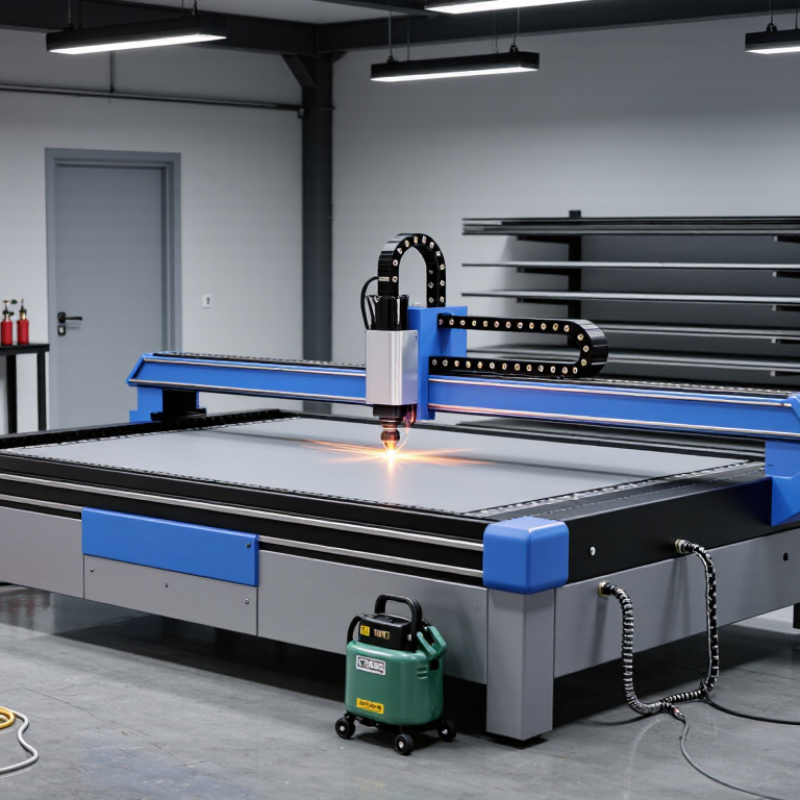
Table of Contents
[Hide]
What Is a Small CNC Plasma Cutter and How Does It Work?
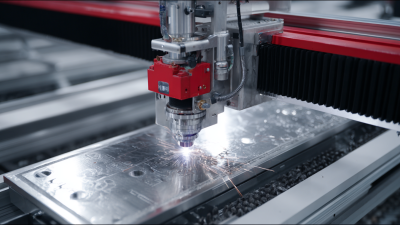
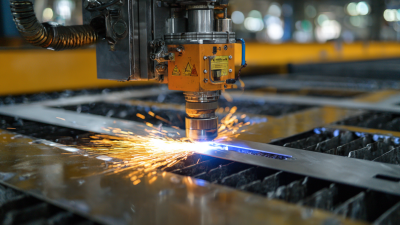
A small CNC plasma cutter is a computer-controlled table that cuts conductive metal with a focused plasma arc. It usually handles steel, stainless steel, and aluminum sheets. The machine follows digital drawing instructions, often called G-code. A torch moves along X and Y rails, while height control maintains a suitable distance from the metal. Compressed air passes through the torch and becomes extremely hot plasma. This arc melts the material, and the fast gas stream removes the molten metal from the cut line.
In practical use, cut quality depends on amperage, travel speed, air pressure, and material thickness. A thin sheet may need a faster torch movement, while thicker steel needs more power and slower travel. Small tables save workspace, but their cutting area limits larger projects. The machine also needs a stable frame, proper grounding, ventilation, and suitable protective equipment. Plasma cutting creates bright light, heat, fumes, and noise. Never treat the process as harmless. A perfect cut is not guaranteed, especially when settings are copied without testing.
Tips: Check the manufacturer’s rated thickness, not only the maximum piercing figure. Test a short line on scrap metal first. Inspect the edge for heavy dross and excessive beveling. Adjust one setting at a time. I still find that clean air and a level work surface solve problems that software cannot. Start slowly. Reliability comes from repeatable setup, careful maintenance, and realistic expectations.
| Selection Dimension | Typical Small CNC Plasma Cutter Data | What It Means | Recommended Choice for Most Users |
|---|---|---|---|
| Machine Definition | Computer-controlled cutting table using a plasma torch to cut electrically conductive metal | The CNC controller follows digital toolpaths while the torch melts and removes metal with a high-temperature plasma arc. | Choose a CNC table when repeatability, shapes, lettering, or batch cutting is more important than simple manual cutting. |
| Common Working Area | Approximately 600 × 900 mm to 1,500 × 3,000 mm | The working area determines the largest sheet or part that can be cut without repositioning. | Select an area at least 10–15% larger than your most frequently used part dimensions. |
| Plasma Cutting Current | Typically 30–65 A for compact machines | Higher amperage generally supports thicker materials, but it also increases electrical demand and consumable wear. | A 40–60 A system is a practical range for light fabrication and general-purpose mild-steel work. |
| Recommended Mild-Steel Thickness | Approximately 0.8–12 mm for regular production cutting | This is normally the thickness range where cut quality and productivity remain consistent. | Match the machine to your regular cutting thickness rather than choosing only by its maximum rating. |
| Maximum Severance Thickness | Often approximately 16–20 mm on compact 40–65 A systems | Severance capacity is the thickest material that can be cut through, usually at a slower speed and with lower edge quality. | Keep a safety margin of about 25% below the advertised severance thickness for routine work. |
| Cutting Materials | Mild steel, stainless steel, and aluminum | Plasma cutting requires electrically conductive material. Wood, plastic, glass, and most ceramics cannot be cut with a conventional plasma arc. | Confirm the torch and power source are suitable for the materials and thicknesses you plan to process. |
| Typical Cutting Speed | About 500–6,000 mm/min, depending on material, thickness, current, and torch settings | Thin sheet can be cut quickly, while thicker plate requires slower travel to maintain arc stability and cut quality. | Use the manufacturer’s cut chart and test coupons instead of relying on the highest listed speed. |
| Positioning Accuracy | Commonly around ±0.1–0.3 mm under suitable operating conditions | Accuracy depends on the drive system, frame rigidity, backlash, calibration, material flatness, and thermal distortion. | Prioritize a rigid frame, reliable linear motion, and calibration functions over headline speed alone. |
| Drive System | Stepper motors are common; servo systems are used on higher-performance machines | Stepper systems are economical and adequate for many small tables. Servo systems can provide smoother motion and better feedback at higher speeds. | Choose a well-calibrated stepper system for occasional or general workshop use; consider servos for demanding production. |
| Power Supply | Usually single-phase input; approximately 3–8 kW input demand depending on output current | The required electrical service depends on the plasma power source, duty cycle, and auxiliary equipment. | Check the input voltage, circuit capacity, grounding, and local electrical requirements before installation. |
| Compressed Air | Typically 0.45–0.65 MPa regulated pressure, with a clean and dry air supply | Moisture, oil, and pressure fluctuations can shorten consumable life and reduce cut quality. | Use an appropriately sized compressor, air filter, water separator, and pressure regulator. |
| Duty Cycle | Often 35–60% at the rated output current | Duty cycle indicates how long the power source can operate within a defined ten-minute period before cooling is required. | Choose a higher duty cycle when cutting continuously or working with thicker material. |
| Torch Height Control | Floating-head sensing or initial-height sensing; automatic THC is available on many systems | Maintaining the correct torch-to-work distance helps stabilize the arc and reduces collisions caused by warped sheet. | Automatic torch height control is strongly recommended for uneven sheets, long cuts, and regular production. |
| Consumable Life | Highly variable; commonly tens to hundreds of pierces per set under proper settings | Nozzle and electrode life depends on material thickness, piercing technique, air quality, current, and operator settings. | Buy a machine with readily available standard consumables and keep spare nozzles, electrodes, and shields on hand. |
| Software and File Formats | CAD/CAM workflow commonly supports DXF, SVG, and G-code or machine-specific toolpaths | Design software creates geometry, CAM software generates cutting paths, and the CNC controller executes the program. | Verify compatibility with your preferred design software and confirm that kerf compensation and lead-in settings are supported. |
| Ventilation and Fume Control | Water table, downdraft extraction, or a suitable local exhaust system | Plasma cutting produces fumes, smoke, sparks, ultraviolet radiation, and noise. | Use effective fume extraction, suitable eye and skin protection, hearing protection, and fire-safe housekeeping. |
| Best Use Case | Sign making, brackets, artwork, repair parts, light fabrication, and small-batch production | Compact CNC plasma systems are efficient for conductive sheet and plate work but are not intended for nonconductive materials. | Choose a small table when available floor space, electrical capacity, and typical part size are limited. |
| Key Buying Priority | Working area, regular material thickness, torch height control, air quality, software compatibility, and safety provisions | These factors usually affect real-world productivity and cut quality more than maximum amperage alone. | Base the purchase on your normal workload, available infrastructure, maintenance support, and total operating cost. |
Related Posts
-

Unlocking Efficiency: The Unique Advantages of Small Plasma Cutting Tables in Modern Manufacturing
-
Exploring Growth Trends in Plasma Cutting Table Sales at the 138th Canton Fair 2025: A Data-Driven Perspective
-
Maximizing Efficiency: How a Plasma Cutting Table Transforms Metal Fabrication Workflows
-
Best CNC Plasma Machine for Global Buyers 2026?
-
Solutions for Optimizing Your Workflow with the Best Small CNC Plasma Cutting Machines
-
Understanding the Specifications of the Best Industrial CNC Plasma Table and How to Use It