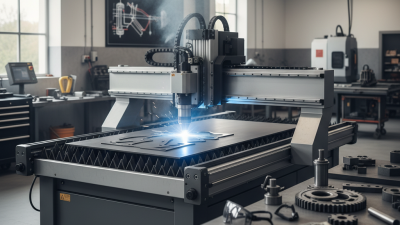
10 CNC Plasma Cutting Tips for Global Buyers
Global buyers are paying closer attention to cnc plasma cutting as metal fabrication becomes more automated, flexible, and cost-sensitive. Grand View Research’s Plasma Cutting Machine Market Size, Share & Trends Analysis Report identifies automation and industrial fabrication as important market drivers. MarketsandMarkets also connects CNC integration with productivity, repeatability, and wider equipment adoption. The reports differ in market definitions and forecasts. That uncertainty matters.
Jim Colt, a longtime plasma-technology educator associated with Hypertherm, describes the process clearly: “Plasma cutting is a process that uses a high-temperature, electrically conductive gas to melt and cut metal.” His explanation highlights a practical point. Buyers are not purchasing speed alone. They are selecting a complete cutting system.
Real purchasing decisions involve material thickness, duty cycle, torch height control, consumable life, power requirements, and after-sales support. A machine that cuts 25-millimeter steel may struggle with continuous production. A low-priced model may also create hidden costs through poor kerf quality, unstable arc starts, or delayed spare parts. Small details become expensive.
This guide presents ten cnc plasma cutting tips for international buyers. It examines supplier verification, machine specifications, electrical compatibility, software, safety features, shipping protection, training, and warranty terms. Practical testing should include sample plates, measured tolerances, edge squareness, and actual cutting speed. Do not rely only on catalog claims. They can be incomplete.
The strongest purchase is not always the fastest machine. It is the system that performs consistently in your workshop, with support you can reach. Some recommendations may require adjustment. Materials, operators, and production targets are never identical.
Understanding CNC Plasma Cutting and Its Global Applications
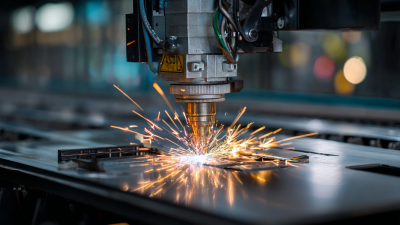
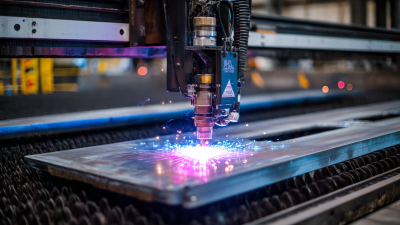
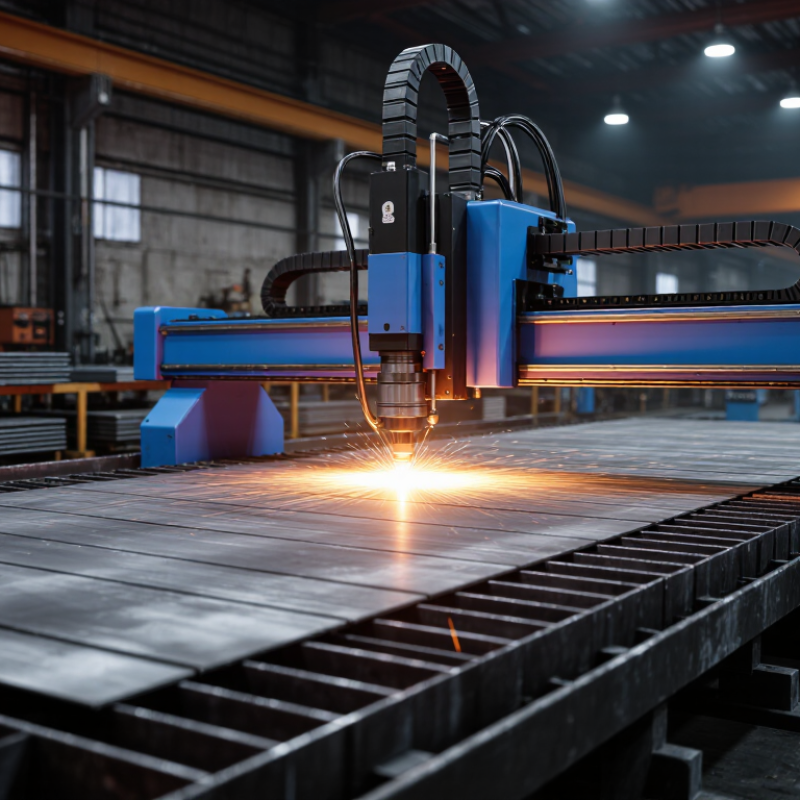
CNC plasma cutting uses an electric arc and compressed gas to melt conductive metal. A mechanized torch then follows programmed paths with controlled speed. This process suits steel, stainless steel, and aluminum sheets. It supports fabrication, agricultural equipment, construction parts, and repair workshops worldwide. Cutting quality depends on material thickness, gas pressure, torch height, and table stability. Small settings matter.
Global buyers should study local power supply, workshop space, operator skills, and replacement-part access. Regional humidity and dust can also affect consumables and machine reliability.
Tip 1: Request test cuts using your actual material. A polished sample may hide production problems.
Tip 2: Check the control system’s language, training resources, and file compatibility before purchasing.
Safe operation requires ventilation, eye protection, ear protection, and trained supervision. Installation should follow applicable safety requirements and electrical practices in the destination country.
Tip 3: Compare total operating cost, not only the purchase price. Include electricity, air supply, consumables, maintenance, and downtime. A faster machine may waste more metal if nesting is poor. This is often overlooked.
Another practical concern is operator learning time. Even accurate equipment can produce rough edges when settings are copied blindly. Review cut charts, record results, and adjust cautiously for each thickness.
Evaluating Machine Specifications for Different Production Needs
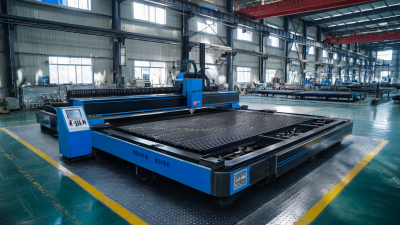
Global buyers should evaluate CNC plasma cutters against real production demands, not headline amperage. The World Steel Association reported 1.89 billion tonnes of crude steel production in 2023. That volume supports strong demand for flexible cutting systems. Yet a small fabrication shop may need a 1,500 × 3,000 mm table, while structural work may require thicker capacity and stronger extraction. Match the cutting envelope to your largest regular sheet. Oversizing can waste floor space and energy.
Tip: Compare rated cutting thickness with recommended production thickness. Piercing capacity is different. A machine may pierce 25 mm steel but cut 16 mm efficiently for long shifts. Check duty cycle, torch height control, travel speed, and consumable life. The machine’s power supply should suit local voltage and maintenance resources. Air quality matters too. Moisture can damage consumables and create unstable arcs. A dryer and suitable filtration system are practical specifications, not optional accessories.
ISO 9013:2017 provides recognized quality classes for thermally cut surfaces. Ask suppliers to state the expected edge tolerance under defined conditions. Software compatibility also deserves attention. Simple nesting can reduce scrap, but theoretical savings are not guaranteed. Review sample programs using your own drawings. I would also question impressive accuracy claims without test-cut records. Real results change with steel grade, plate temperature, operator skill, and consumable wear. Small details become expensive over thousands of parts.
Selecting Compatible Materials, Consumables, and Cutting Parameters
10 CNC Plasma Cutting Tips for Global Buyers
Selecting Compatible Materials, Consumables, and Cutting Parameters
For global buyers, material compatibility should guide every CNC plasma decision, not the machine’s advertised amperage. Mild steel usually tolerates air or oxygen cutting across common thicknesses. Stainless steel and aluminum often need different gases, speeds, and torch settings. Paint, scale, and coated surfaces can change arc stability and fume behavior. Confirm thickness range, conductivity, plate flatness, and extraction requirements before purchase. Measure twice.
Consumables must match the torch system, material, amperage, and gas selection. Electrodes and nozzles wear faster when pierce height is low or compressed air contains moisture. Keep spare sets available, especially when replacement parts are difficult to import. A clean, dry air line often improves cut consistency more than a higher power setting. For oxygen, nitrogen, or air, verify purity, pressure, and facility connections. Fit matters. Do not assume similar-looking parts are interchangeable.
Start with published cutting data, then run test cuts on the actual plate. Adjust amperage, travel speed, torch height, pierce delay, and kerf compensation together. A 10 mm plate may show a clean top edge but heavy dross underneath when speed is too low. Record voltage, gas pressure, and cut direction for repeatable results across shifts and countries. In production trials, I have seen operators trust tables too much. Warped sheets and unstable power supplies can defeat perfect settings. Review the first cut.
Planning Shipping, Installation, Maintenance, and After-Sales Support
10 CNC Plasma Cutting Tips for Global Buyers
Planning shipping carefully prevents expensive surprises. Confirm crate dimensions, gross weight, lifting points, and unloading equipment before payment. Ask for moisture protection inside the crate, especially for long sea routes. Keep the electrical requirements clear, including voltage, frequency, phase, and grounding. A missing adapter or unsuitable outlet can delay installation for days. Reserve space around the machine for panel access and safe material handling. It is not glamorous, but floor preparation matters.
Installation should follow a documented sequence. Check the frame level, connect the air supply, and inspect cables for transport damage. Use clean, dry compressed air with suitable filtration. Poor air quality can quickly damage consumables and reduce cut consistency. Run test cuts on ordinary steel before processing valuable sheets. Record speed, amperage, pierce height, and cutting results. Small notes become useful evidence later. Do not rely only on factory settings.
Maintenance is easier when it becomes routine. Clean dust from rails and control cabinets, inspect torch parts, and drain the air system regularly. Keep spare consumables sealed and labeled. After-sales support should include remote guidance, wiring diagrams, troubleshooting steps, and a realistic response time. Ask how faults are diagnosed when internet access is weak. A local technician may still be needed. No checklist catches every problem. Leave room to review the plan after the first month.