2026 How to Choose a CNC Plasma Cutting Table?
Choosing a cnc plasma cutting table in 2026 starts with the parts you actually make. A shop cutting thin signs has different needs from one processing thick plate for equipment frames. Bed size matters, but so do torch compatibility, motion accuracy, extraction, and the hours the machine will run each week. Small details count. A sheet that overhangs the slats can shift during cutting; a weak fume system can make long production days uncomfortable.
Jim Colt, a longtime plasma applications specialist, is a useful reference point for practical buying advice. The following is an editorial paraphrase, not a verified direct quotation: “Choose a table around the work you cut regularly, not its headline capacity.” That distinction can prevent an expensive mismatch. A larger bed may sound future-proof, yet it can require more floor space, power, and maintenance than a small shop can justify.
This guide looks at how to compare table dimensions, drive systems, controller features, torch setup, and support. It also considers cut quality, consumable costs, and the real workflow around loading and unloading material. Bring a sample drawing, measure your doorway, and estimate your typical plate thickness before requesting quotes. Numbers on a brochure are useful. A test cut is better. Still, no single table suits every shop, and a careful buyer may need to revise their priorities after seeing a machine run.
Define Your Cutting Needs and Material Requirements
Before choosing a CNC plasma cutting table, define what it must cut each week. List the material types, thicknesses, sheet sizes, and expected production volume. Mild steel, stainless steel, and aluminum can behave differently under the same settings. Record the thickest material you actually plan to cut, not an occasional outlier. This helps match the table, power source, and torch capacity to real work.
Consider how parts will fit on the bed. A 4-by-8-foot sheet needs enough usable cutting area, plus room for clamps and edge clearance. Note whether you usually cut full sheets or smaller blanks. Thin sheet may warp from heat, while thicker plate can require slower cutting and more attention to slag. If your work varies widely, a table sized only for today’s common job may feel limiting later. I have seen shops underestimate handling space; the cutting area is not the whole workflow.
Tips: Build a sample cut list from recent jobs. Include material, thickness, part size, and quantity. Test a few representative cuts before settling on settings. Keep notes. Real results may differ from charts, especially when consumables wear or sheet quality varies.
Compare CNC Plasma Table Types and Work Envelopes
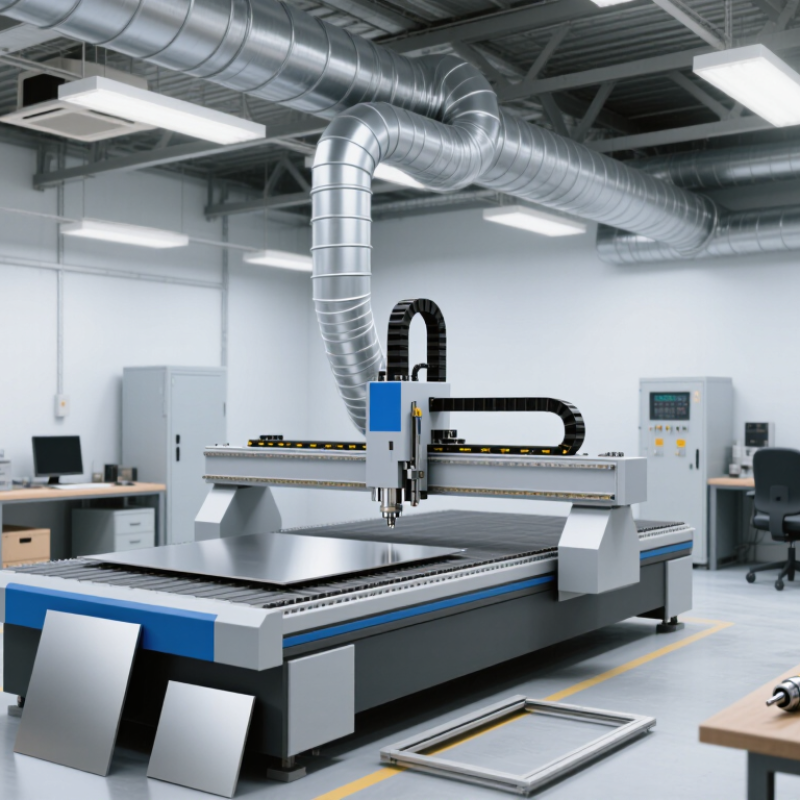
Choosing a CNC plasma cutting table in 2026 means matching its design to your material, workspace, and daily cutting pattern. Water-bed tables support plate over water, which can reduce airborne dust and help limit heat-related distortion. Downdraft tables pull fumes through the cutting surface, but need suitable ducting and filtration. Neither setup is automatically better; maintenance and shop layout matter.
Compact tables suit small parts and limited floor space, while full-size gantry tables handle larger sheets with fewer repositioning steps. Compare the usable work envelope, not just the advertised table dimensions. A machine with 1,500 by 3,000 millimeters of travel may lose usable area to clamps, edge margins, or torch clearance. Measure your common sheet sizes, then allow room for loading and unloading. Small details count.
Also check Z-axis clearance, slat spacing, and how the gantry behaves near the table edges. A sheet that fits on paper may still be awkward to load beside a wall. For nested parts, a larger envelope can reduce offcuts, though it may demand more space and power. Ask for a sample cut or inspect a similar setup if possible. Specs alone can be misleading; I would double-check the dimensions before ordering.
2026 How to Choose a CNC Plasma Cutting Table?
Compare common table sizes by nominal work-envelope area.
These representative nominal bed sizes are commonly available: 4 × 4 ft, 4 × 8 ft, 5 × 10 ft, and 6 × 12 ft. Areas are calculated from the listed dimensions; actual usable cutting travel can vary by table design.
Evaluate Motion Systems, Plasma Power, and Cutting Accuracy
A CNC plasma table is only as dependable as its motion system. Inspect the rails, drive components, and gantry for rigidity and smooth travel. During a test, listen for vibration and watch for hesitation at corners. These small signs can affect edge quality over time. A fast cutting speed looks impressive, but repeatable movement matters more.
Match plasma power to the materials and thicknesses you expect to cut. Check the system’s rated output and duty cycle, then confirm that its torch height control can maintain a steady gap over uneven sheet metal. For accuracy, cut a simple square and circle from the same material you plan to use. Measure the dimensions, check for taper, and inspect the kerf. One test is not definitive, but it can reveal issues worth investigating. The trade-off between speed and finish is easy to underestimate.
Tips: Ask to see a real cut, not just a demonstration on thin, clean stock. Check whether the table holds its accuracy after repeated cuts. Keep a note of the settings used; it is easy to blame the machine when setup choices are the real variable.
Check Software, Safety Features, and Shop Compatibility
A CNC plasma table should fit the way your shop actually works, not just the dimensions listed on a sales sheet. Check whether the control software accepts your usual drawing files and creates toolpaths you can inspect before cutting. A clear preview can reveal wrong dimensions, missed contours, or awkward lead-ins. Ask how the system handles updates, file errors, and interrupted jobs. Fancy menus are less useful if operators cannot quickly find basic settings.
Safety needs to be practical and visible. Look for accessible emergency stops, torch-height control, proper grounding guidance, and a plan for managing smoke and sparks. Match extraction capacity to your materials and cutting workload; a small fan may not clear fumes effectively. Keep cables and hoses away from the torch path. Small details matter.
Measure the shop before choosing a table. Record door width, floor space, ceiling height, electrical service, and compressed-air capacity. Leave room to load full sheets and reach maintenance points without moving other machines. Check whether the table suits your typical stock sizes, not only occasional large jobs. I may be cautious, but shop compatibility is easy to underestimate. A machine that technically fits can still make everyday work awkward. Ask operators to test the software and review the layout before committing.
2026 How to Choose a CNC Plasma Cutting Table? - Check Software, Safety Features, and Shop Compatibility
| Selection area | What to check | Practical evidence or example | Why it matters |
|---|---|---|---|
| Cutting envelope | Compare usable cutting area with the sheet sizes and part dimensions used most often. | Common nominal table formats include 4 × 4 ft, 4 × 8 ft, and 5 × 10 ft; confirm the actual usable area and loading clearance. | A sheet may be larger than the machine’s usable travel, and space is also needed to load and unload material. |
| Software and file workflow | Check supported drawing formats, nesting tools, controller compatibility, and available post-processors. | Ask for a test using a typical DXF file and confirm that the required toolpaths and machine instructions can be generated. | Compatible software reduces file-conversion problems and helps ensure the controller receives appropriate motion commands. |
| Torch height control | Verify that the system supports the chosen plasma source and includes appropriate height sensing and arc-voltage control where required. | Check the documented operation of initial height sensing, piercing-height control, and cutting-height adjustment. | Maintaining suitable torch-to-work distance helps accommodate sheet variation and can improve cut consistency and consumable life. |
| Safety features | Review guarding, emergency stops, electrical grounding, fume controls, and safe access to the cutting area. | Confirm the machine’s safety documentation and determine whether the installation needs barriers, interlocks, or other safeguards for its layout. | Plasma cutting involves moving machinery, electrical hazards, intense light, hot metal, noise, and airborne fumes. |
| Fume and dust management | Determine whether the table uses downdraft extraction, a water pan, or another approved method, and check site ventilation requirements. | Size extraction and filtration from the machine documentation, the materials being cut, and applicable workplace requirements. | Fume-control needs vary with material, cutting process, table design, and local regulations; one airflow figure does not suit every installation. |
| Power and compressed air | Match electrical supply and air quality, pressure, and flow to the selected plasma source and table equipment. | Check the equipment nameplates and manuals for voltage, phase, circuit protection, air pressure, and consumption requirements. | Requirements vary by plasma system; an undersized supply or inadequate air can interrupt cutting or affect cut quality. |
| Shop footprint and floor | Measure the machine, control cabinet, extraction equipment, material staging area, and operator access routes. | Use the installation drawing to check doorways, ceiling height, service access, floor loading, and sheet-handling clearance. | The table’s nominal cutting area does not include the full space needed to install, operate, and maintain the system. |
| Material and thickness range | Select a plasma source and table configuration for the metals, thicknesses, and production volume planned. | Compare published cut charts and test representative material; distinguish recommended production capacity from maximum severance capacity. | Maximum severance is not necessarily a suitable thickness for routine, clean, production-quality cutting. |
| Table construction and upkeep | Inspect frame rigidity, drive components, replaceable slats, cable routing, and access to routine service points. | Ask for maintenance intervals, wear-part availability, and procedures for cleaning the table and replacing damaged slats. | Regular maintenance helps preserve motion performance and keeps the work surface in usable condition. |
| Training and support | Check what installation guidance, operator training, troubleshooting resources, and service support are included. | Confirm response channels, documentation language, training format, and the availability of replacement parts. | Clear training and support can shorten setup time and help operators use the system safely and consistently. |
Compare Total Cost, Support, and Long-Term Upgrade Options
2026 How to Choose a CNC Plasma Cutting Table?
Compare Total Cost, Support, and Long-Term Upgrade Options
The purchase price is only one line in a plasma table’s lifetime cost. Include power use, torch consumables, extraction filters, software, and operator training. Ask for a written estimate of routine maintenance and replacement parts. A low quote can become expensive when a failed torch or delayed service stops production. Check who provides technical support, their hours, and typical response times. Ask for a sample nesting workflow, too. Small details matter.
Plan for upgrades before signing. Can the control system support automatic torch height control, a larger bed, or future bevel cutting? Are software updates and replacement components available without replacing the whole machine? Deloitte’s 2024 Smart Manufacturing Survey found that 86% of manufacturers surveyed expect smart manufacturing to be a primary driver of competitiveness over the next five years. That finding is not a plasma-table cost forecast, but it supports checking how well a machine can connect with evolving digital workflows. Upgrade-ready equipment may preserve options; it does not guarantee savings.
Tips: Request a live cut on your own material and thickness. Record cut time, consumable condition, and edge quality. Then compare those results with the supplier’s estimate. One overlooked item? Dust extraction maintenance. It can change the real operating cost. A spreadsheet helps, but estimates can still miss production delays.
Related Posts
-
The Future of Metal Fabrication with Advanced Plasma Cutting Tables
-
What Is the Best CNC Plasma Cutting Table in 2026?
-
What Is the Best Small CNC Plasma Cutting Machine in 2026?
-
What is the Future of the Best Small CNC Plasma Tables in Global Manufacturing?
-
Understanding the Specifications of the Best Industrial CNC Plasma Table and How to Use It
-

2026 Top Small CNC Plasma Machines What Buyers Should Know?