Why Choose CNC Plasma Cutting for Metal Fabrication?

Why Choose CNC Plasma Cutting for Metal Fabrication?

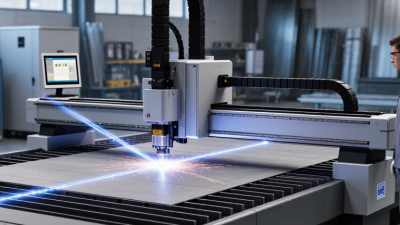
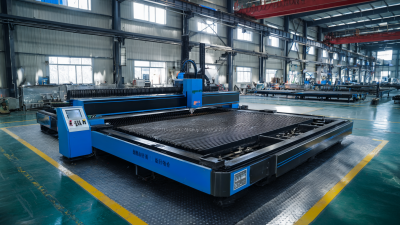
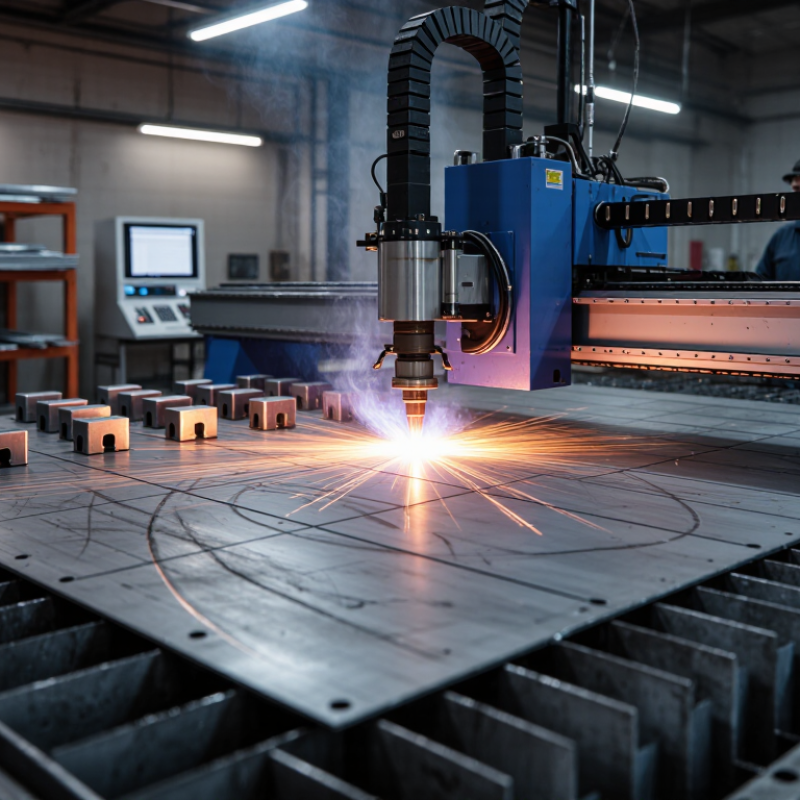
A steel plate sits on the cutting table, its surface marked with layout lines and handling scratches. The shop needs clean profiles, repeatable dimensions, and parts ready for the next operation. CNC plasma cutting can meet those demands by guiding a plasma torch along programmed paths through electrically conductive metal. It is widely used for steel, stainless steel, and aluminum, especially when parts are too thick for many laser-cutting applications or production speed matters.

Richard Couch, co-founder of Hypertherm and a longtime plasma technology leader, is a relevant expert voice for this subject. A useful shop-floor principle is: “The right cutting process is the one that fits the material, tolerance, and production plan.” Treat that as a practical summary, not a verified verbatim quotation. It matters because plasma cutting is not automatically the best choice for every job. Material thickness, edge quality, heat input, consumable life, and finishing time all affect the result.

For many fabricators, the appeal is tangible: a programmed torch can cut several matching brackets from a sheet, while reducing much of the manual layout work. Setup still matters. Poor torch height, worn consumables, or incorrect speed can leave bevel, dross, or rough edges. That is easy to overlook. CNC plasma cutting offers a strong balance of speed, flexibility, and operating cost, but experienced operators still inspect the first part and adjust the cut. Its value comes from matching the process to the job—and being honest when another method would deliver a better finish.
Why Choose CNC Plasma Cutting for Metal Fabrication?

How Does CNC Plasma Cutting Work?

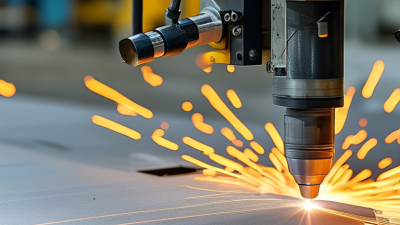
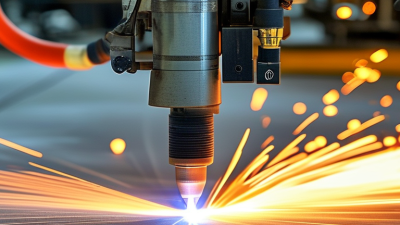
CNC plasma cutting begins when compressed gas passes through a narrow torch nozzle and becomes electrically ionized. The resulting plasma arc conducts current to the metal, melting a thin path; the gas jet pushes molten material through the cut. The American Welding Society’s Welding Handbook describes plasma arcs reaching roughly 20,000°C, though actual temperatures vary with the torch and operating conditions. Extremely hot, but control matters more than heat alone.

A CNC controller follows programmed coordinates while regulating torch movement and, on many systems, arc voltage. Before cutting, an operator sets amperage, gas flow, torch height, and travel speed for the material’s thickness. For example, a warped steel sheet can change the nozzle gap, leaving a bevelled edge or uneven kerf. Small errors show up fast. The cut edge may also carry dross, especially when speed or height is poorly matched. ISO 9013:2017 provides a recognized framework for assessing thermal-cut surface quality and dimensional tolerances; it is a useful reference, not a substitute for checking the actual part. One detail deserves a second look: clean-looking cuts do not always mean the dimensions are right. Measure the finished piece.

Which Metals and Thicknesses Can It Cut?

CNC plasma cutting handles electrically conductive metals, including mild steel, stainless steel, aluminum, copper, and brass. Mild steel is a common choice for brackets, frames, and equipment panels. Stainless steel and aluminum are also cut regularly, though settings must suit their different heat and cutting behavior. Copper and brass are possible, but performance depends on the machine and setup.

Thickness is not a single fixed limit. Many fabrication systems routinely cut sheet and plate from a few millimeters to around 25 millimeters, while higher-output equipment may cut thicker stock. Check the machine’s rated production capacity, not just its maximum severance rating. That distinction matters. A torch may separate thick plate yet leave a rough edge that needs extra finishing. Material grade, torch condition, cutting speed, and air or gas settings also affect the result. For a clean edge, test a sample at the intended thickness and inspect its underside for heavy dross. I would not assume the same settings will work equally well on steel and aluminum.

What Benefits Does It Offer for Metal Fabrication?

CNC plasma cutting turns a digital drawing into a programmed torch path, reducing manual marking and repeated setup. Operators can cut several matching brackets from one sheet, then reuse the file for later batches. That consistency helps shops manage short runs and repair parts. Less rework. Nesting parts closely can also reduce scrap, though poor layout still wastes material.

The World Steel Association’s World Steel in Figures 2025 reports 1,882.6 million tonnes of crude steel production in 2024, illustrating the scale of material that fabrication shops process. CNC plasma systems suit many conductive metals and can cut plate quickly without a custom die. They are often a practical choice for thicker steel and jobs where speed matters more than a polished edge. Cut quality is not perfect: heat can leave dross or a heat-affected edge, and thin sheet may distort. I would test a sample before promising tight tolerances. Expect it to need cleanup sometimes.

Why Choose CNC Plasma Cutting for Metal Fabrication?

One advantage of plasma cutting is its compatibility with different electrically conductive metals. This chart compares common material suitability with conventional oxy-fuel cutting.

Compatibility is shown as a simple yes/no indicator. Plasma requires electrically conductive material; conventional oxy-fuel cutting is generally suited to carbon steel. Actual results depend on alloy, thickness, and equipment.

How Does It Compare with Other Cutting Methods?

CNC plasma cutting is often a practical middle ground for conductive metals such as mild steel, stainless steel, and aluminum. Compared with laser cutting, it can handle thicker plate at a lower equipment cost, though the cut edge is usually less precise. A laser may suit thin sheet and fine details better. Plasma is fast, but heat can leave a hardened edge or slight distortion. That matters.

Waterjet cutting avoids a heat-affected zone and can cut many materials, but it is often slower and may cost more per part. Oxy-fuel cutting works well on thick carbon steel, yet it cannot cut aluminum or stainless steel effectively. Plasma sits between these options: useful for shop parts and structural profiles, but not ideal for every tolerance. Kerf width and dross depend on material, consumable condition, and settings. Even experienced operators may need a test cut; that extra step is easy to underestimate.

Tips: Check the drawing’s tolerance and edge-finish requirements before choosing a process. For a plasma test, inspect a short sample for bevel, dross, and heat distortion. If the fit is poor, revisit speed and torch height before blaming the machine.

Why Choose CNC Plasma Cutting for Metal Fabrication? — How Does It Compare with Other Cutting Methods?
Cutting Method Suitable Materials Typical Thickness Range Cut Quality and Precision Heat-Affected Zone Relative Speed and Cost Best-Fit Applications
CNC Plasma Electrically conductive metals, including carbon steel, stainless steel, and aluminum Thin sheet to several inches, depending on the power source, material, and cut requirements Good for general fabrication; kerf and edge squareness are typically less refined than laser or waterjet results Present; localized heating can cause a heat-affected zone and some edge hardening Fast on many medium-to-thick conductive materials; typically moderate equipment and operating costs Structural parts, brackets, plates, equipment components, and nested production cutting
Laser Cutting Commonly steel, stainless steel, and aluminum; material capability depends on the laser system Most effective on thin and medium-gauge sheet; maximum capacity varies substantially by material and system High precision, narrow kerf, and clean detail on suitable thicknesses Present, usually localized; may affect edge properties depending on material and settings Very fast on thin sheet; higher equipment investment, with productivity depending on material and thickness Fine features, sheet-metal enclosures, and parts requiring tight tolerances
Oxyfuel Cutting Primarily carbon and low-alloy steels; not suitable for stainless steel or aluminum with conventional oxyfuel cutting Well suited to thick steel plate; practical limits depend on equipment and the job Generally rougher and less precise than laser or waterjet; cut edge may require cleanup Present; heat input can create a wider affected area and distortion risk Economical for thick carbon steel; generally slower and less suitable for intricate profiles Heavy plate, demolition, and large steel parts where fine detail is not essential
Waterjet Cutting Many metals and nonmetals, including materials that are difficult to cut with heat-based processes Thin sheet through very thick stock, within the capacity of the machine and process High-quality edges are possible; precision depends on thickness, nozzle condition, and cutting settings None from thermal cutting; the process does not create a heat-affected zone Often slower and more costly per cut than plasma on heavy metal; abrasive and water use add operating costs Heat-sensitive materials, mixed-material work, and parts where avoiding thermal effects matters
Mechanical Shearing Sheet and plate metals compatible with the shear, commonly steel and aluminum Limited by the machine’s rated capacity and material strength Fast, straight cuts; generally unsuitable for complex contours or internal shapes None from thermal cutting; the edge can show burr or deformation depending on setup Very economical for repeated straight cuts; setup is simple for standard sheet work Blanks, strips, and rectangular sheet-metal pieces
Comparison is general rather than a guaranteed specification. Actual thickness, speed, edge quality, and cost depend on material grade, equipment, consumables, part geometry, and required tolerances.

What Factors Matter When Choosing a CNC Plasma System?

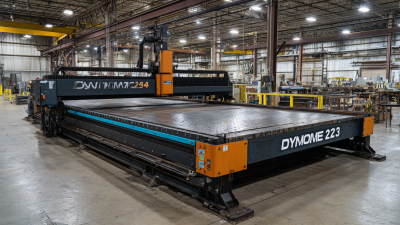
When choosing a CNC plasma system, match its cutting capacity to the metal you actually process. Compare rated thickness with your common plate thickness, then check whether the machine can handle occasional heavier jobs without sacrificing cut quality. Amperage alone is not enough: inspect duty cycle, torch-height control, table rigidity, and the quality of the cut edge. Ask for a test cut using your own material, including a small hole and a tight corner. Real cuts matter. A polished demonstration may not reflect a dusty shop floor or worn consumables.

Software and operating conditions deserve equal attention. Check that nesting tools suit your part sizes and that operators can adjust cut speed and pierce settings without cumbersome steps. Dry, clean compressed air helps reduce dross and consumable wear; effective fume extraction matters for daily use. Deloitte and MAPI’s 2024 Smart Manufacturing Survey found that 86% of respondents viewed smart manufacturing solutions as key drivers of competitiveness over the next five years. That supports checking data access and machine monitoring, but connectivity is not a substitute for reliable mechanics. A specification sheet can still mislead. Compare service access, training needs, and the cost of consumables against your expected workload, not an idealized production schedule.