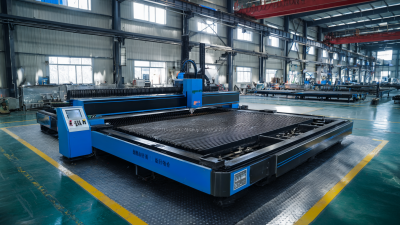
Best Table CNC Machine 2026 for Global Buyers

Choosing the best table CNC machine in 2026 means looking beyond price and advertised speed. Buyers need a machine that fits their materials, work area, production volume, and available support. A compact router may suit detailed signs and prototypes. Larger panels, harder materials, and longer production runs can demand greater rigidity, spindle power, and reliable dust collection.

The right comparison starts with real specifications. Check the usable work envelope, frame construction, spindle options, controller compatibility, and positioning accuracy. Ask how accuracy is measured, and whether the figure describes repeatability or absolute positioning. They are not the same. Also consider the less visible details: tool-change time, local service, spare-part lead times, and the quality of setup guidance. A machine can look excellent in a brochure and still disappoint on a busy shop floor.

A practical buying principle is: “Choose the machine for the work you actually run, not the work you might run someday.” This is original editorial guidance, not a verified quotation from a named expert. No source material was supplied to verify an industry expert’s words, so attributing a quote would risk misleading readers. This guide instead compares key machine types, specifications, and ownership considerations for global buyers. Some details remain difficult to compare across brands; published accuracy figures, for example, may rely on different test conditions. Buyers should request documentation and sample cuts before deciding.
Best Table CNC Machine 2026 for Global Buyers

What Defines a Table CNC Machine and How Does It Work?

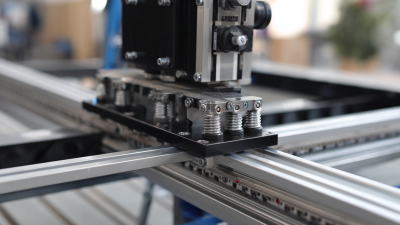
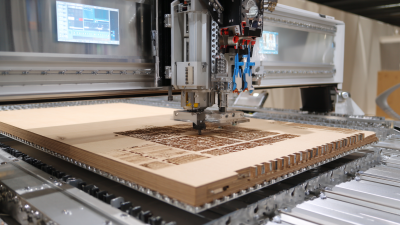
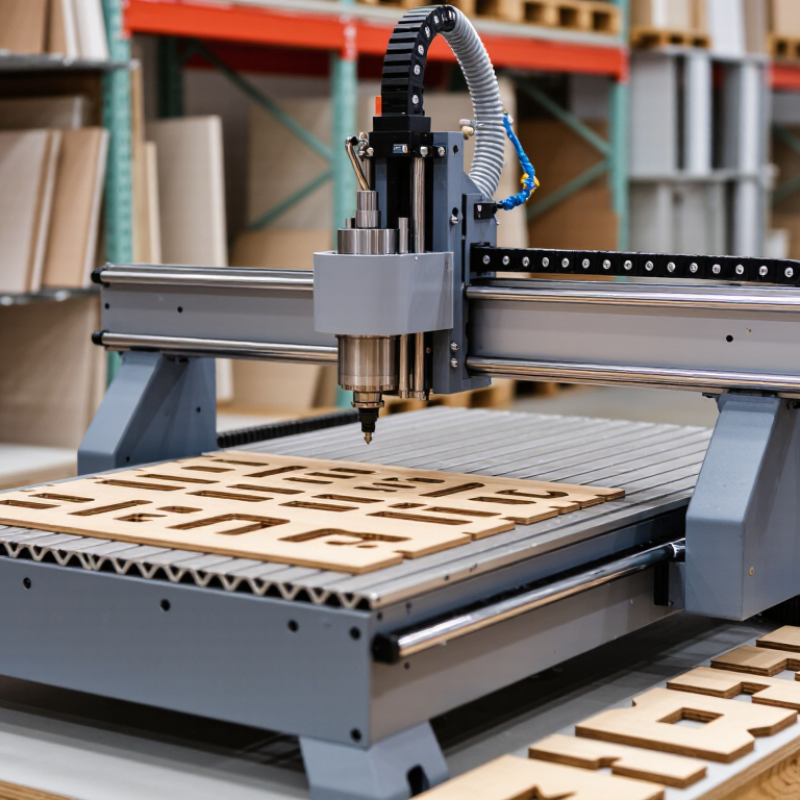
A table CNC machine is a computer-controlled cutting system built around a flat work surface. The table supports sheet materials or smaller parts while a moving spindle follows programmed paths. An operator prepares a design, sets toolpaths, and sends instructions to the machine. Motors move the spindle along the X and Y axes; the Z axis controls cutting depth. Some machines include vacuum hold-downs or touch probes. The setup varies by model. It is not magic.

Tips: Check the usable table area, not only the machine’s outside dimensions. Secure the material, select a cutter suited to it, and test a shallow pass first. Keep dust extraction running, and check the emergency stop before cutting. Workholding is easy to underestimate; even a careful setup may need adjustment.

For global buyers, the best choice depends on repeatability, service access, and compatibility with local power requirements—not just advertised speed. Ask how the machine is checked for squareness and how spindle repairs are handled. Request a sample cut in your intended material, with measured dimensions and a clear view of the edges. A polished demonstration cannot reveal every maintenance issue. Leave time for learning, too: setup mistakes happen, even with a good manual. A table CNC can produce precise parts, but the operator still matters.

Which Table CNC Machine Types and Features Are Available in 2026?

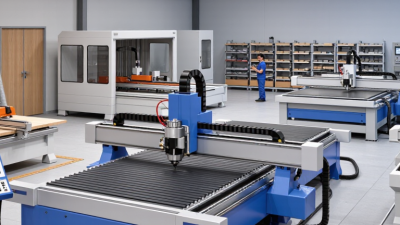
In 2026, table CNC machines range from compact routers for wood and plastics to rigid desktop mills for aluminum. CNC plasma tables cut conductive sheet, while laser tables suit thin materials and detailed engraving. Common features include three- or four-axis motion, automatic tool changers, touch probes, vacuum beds, and enclosed work areas. Choose by material, workpiece size, and required finish—not the longest feature list. A larger spindle is not always better.

The International Federation of Robotics’ World Robotics 2024 report counted 4,281,585 industrial robots operating worldwide in 2023, up 10% year over year. That signals growing factory automation, but it does not prove every small workshop needs a fully automated CNC setup. For a table machine, reliable motion, a stiff frame, clear control software, and accessible service documentation may matter more than extra axes. Noise and dust collection deserve attention, too; they are easy to underestimate.

Tips: Check the usable cutting area with your actual parts, not the advertised table size. Ask whether the machine includes a tool setter, dust shoe, or workholding kit. If possible, request a sample cut in your material. It may reveal chatter, edge quality, or setup issues that a specification sheet cannot.

Best Table CNC Machine 2026 for Global Buyers — Which Table CNC Machine Types and Features Are Available in 2026?

Machine Type Typical Working Area Axes and Tooling Suitable Materials Common Features Typical Applications Buyer Considerations
Desktop or Benchtop CNC Router About 300 × 300 mm to 900 × 600 mm (12 × 12 in to 35 × 24 in) Usually 3 axes; small collet spindle or trim-router-style spindle Wood, plastics, circuit-board materials, and soft non-ferrous metals with suitable tooling Compact footprint, low power requirements, simple workholding, and entry-level control options Prototyping, signs, small components, model making, and hobby or educational work Check usable Z clearance, spindle runout, frame rigidity, dust control, and the actual cutting area after fixture installation.
General-Purpose CNC Router Table Common formats include 1,300 × 2,500 mm and 1,500 × 3,000 mm (approximately 4 × 8 ft and 5 × 10 ft) Usually 3 axes; spindle options vary by material and duty cycle Wood, plywood, MDF, plastics, composites, and some aluminum alloys at appropriate feeds and depths Gantry construction, vacuum-table options, dust extraction ports, and sheet-processing workflows Cabinet parts, furniture components, panels, lettering, and general sheet fabrication Compare table flatness, gantry clearance, vacuum-zone layout, electrical supply, and the machine's continuous-duty rating.
Router Table with Automatic Tool Changer Often available in production sizes such as 1,300 × 2,500 mm or larger Typically 3 axes with an automatic tool changer; tool capacity depends on the configuration Wood, engineered boards, plastics, and selected composites Automatic tool changes, tool-length measurement options, vacuum workholding, and reduced manual setup between operations Nested-based manufacturing, multi-tool cabinet work, and repeat production runs Verify tool-holder compatibility, changer capacity, extraction requirements, maintenance access, and whether the control supports the desired workflow.
4-Axis or 5-Axis CNC Router Varies widely; often smaller than a comparable 3-axis sheet table because of rotary or tilting-axis clearance Four or five coordinated axes; spindle head or rotary-axis configuration depends on the design Wood, foam, plastics, composites, and selected non-ferrous metals within the machine's rated capacity Multi-sided machining, angled cuts, contouring, and access to complex surfaces Moulds, sculptural parts, shaped furniture, architectural components, and complex prototypes Review simultaneous-axis capability, collision limits, work-envelope diagrams, postprocessor support, and operator training needs.
Stone CNC Table Commonly sized for countertop or slab work; table dimensions depend on the intended workpiece and handling method Usually 3 axes; some configurations add a rotary or tilting axis Granite, marble, engineered stone, and other compatible stone materials Water-cooled cutting, wet-area protection, stone-specific tooling, and options for profiling or polishing operations Countertops, sink cutouts, edge profiles, stone signs, and decorative components Plan for water management, slurry collection, workpiece weight, lifting equipment, corrosion protection, and local water-disposal rules.
CNC Plasma Cutting Table Common sheet formats include approximately 1,500 × 3,000 mm (5 × 10 ft), with other sizes available Usually 2D X-Y motion with a torch-height control system; bevel cutting may require an additional axis Electrically conductive metals, including mild steel, stainless steel, and aluminum within the process limits Slatted cutting bed, torch-height control, fume extraction or downdraft options, and nesting software compatibility Metal plate parts, brackets, panels, and general fabrication Match the power source to material thickness, and assess fume control, electrical service, consumable availability, and required edge quality.
Tabletop CNC Milling Machine Generally compact; work envelope is often measured in hundreds of millimetres rather than full-sheet dimensions Usually 3 axes; spindle and toolholding system depend on the machine's rigidity and intended materials Aluminum, brass, plastics, and, on suitably rigid machines, selected steels Rigid frame, precision linear motion, machine vise or fixture mounting, and milling-oriented control functions Precision parts, fixtures, small metal components, and engineering prototypes Check rigidity, spindle speed and torque, toolholding, backlash specifications, enclosure needs, and chip-management provisions.

Note: Dimensions and capabilities are typical market ranges, not guaranteed specifications. Actual work area, materials, accuracy, speed, and included features vary by machine configuration, tooling, workholding, and operating conditions. Confirm the required electrical supply, safety provisions, installation requirements, and applicable local standards before purchase.

How Do Key Specifications Affect Cutting Performance and Precision?

For global buyers, cutting precision depends on the whole machine, not just spindle power. A 2.2 kW spindle may cut quickly, but a flexible frame can leave chatter marks along a plywood edge. Check spindle runout, axis repeatability, gantry stiffness, and table flatness together. Small errors stack. A stated 0.01 mm step resolution does not mean the machine can hold that accuracy under load.

ISO 230-2:2014 sets out tests for axis positioning accuracy and repeatability, while ISO 10791-4 covers positioning tests for machining centres. Neither promises one universal tolerance for every machine; buyers should request measured results and testing conditions. For example, a job requiring a 0.05 mm fit may need repeatability well below that value, with allowance for tool runout, material movement, and cutting force. A spec sheet can still flatter a machine; real cuts tell a less tidy story. Ask for test cuts in your own material and inspect both dimensions and edge finish.

Tips: Compare repeatability and runout figures, not resolution alone. Check whether accuracy was measured across the full working area, and ask for a recent calibration record.

How Can Global Buyers Choose a Machine for Their Materials and Workload?

Choosing a table CNC machine starts with the material, not the advertised cutting speed. A small shop cutting plywood needs a different setup from one engraving aluminum or shaping dense hardwood. Check the machine’s working area against your largest real part, including room for clamps. A sheet that barely fits on paper may not fit safely once secured.

Match the spindle and frame to your daily workload. For wood, dust collection and a rigid gantry can matter more than extra speed. For aluminum, ask about cutting tests, tool compatibility, and recommended feed rates; a light frame may vibrate and leave rough edges. Test it. Ask for a sample cut in your material, then inspect corners, edges, and repeatability. A glossy demonstration piece proves little about a full workday.

Also consider power requirements, software learning time, replacement parts, and local technical support. These details are easy to overlook. There is no perfect specification sheet, and I would leave room for doubt when a supplier cannot explain maintenance needs clearly. Estimate weekly machine hours and typical job sizes before comparing prices. A lower-cost model may suit occasional projects but struggle with long production runs. That trade-off is real.

What Should Buyers Know About Installation, Safety, and Maintenance?

A table CNC machine can arrive ready to cut, but installation still demands careful planning. Check the floor for level and vibration, then leave enough room to load sheets and reach the emergency stop. Keep the machine away from damp areas and loose cables. A stable work surface matters more than it may seem. Even a small tilt can affect alignment over a long cut.

Read the installation manual before connecting power or air lines. Confirm the required supply, grounding, and extraction setup with a qualified technician when needed. During operation, secure the material, close guards, and keep hands clear of moving parts. Wear suitable eye and hearing protection. Never leave a running machine unattended. It sounds obvious, yet busy workshops sometimes skip this.

Maintenance is mostly routine, not glamorous. Remove dust and chips after each shift, especially around rails, screws, and sensors. Inspect cables, fasteners, and cutting tools for wear. Lubricate only as the manual specifies; excess lubricant can attract debris. Keep a simple log of cleaning, adjustments, and unusual noise. A faint rattle may be harmless, or it may be an early warning. Do not guess. Stop the machine and investigate safely. Even careful owners miss things sometimes. Regular checks reduce surprises, but they cannot replace proper training or service.