2026 Top Small CNC Plasma Cutting Machines to Buy?

A small CNC plasma cutter can bring repeatable cutting into a garage, workshop, or compact fabrication space. The right small cnc plasma cutting machine should fit your materials, workload, and available power—not just your floor plan. A narrow steel table, a laptop, and a stack of sheet metal may be enough to begin, but safe ventilation and reliable electrical service matter too. Compact does not always mean simple. You still need to consider cutting capacity, motion control, software, and torch compatibility.

This 2026 guide looks at machines worth comparing and the details that separate useful equipment from attractive product photos. Check the manufacturer’s stated cutting thickness against the metal you actually plan to cut. Review the work area, gantry stability, controller, and included software. Ask whether setup support and replacement consumables are easy to obtain. Those practical details can affect downtime as much as advertised speed. Small details matter.

And honestly, no single machine suits every buyer. A model that works well for occasional brackets may feel limiting during longer production runs. A larger unit may offer more capacity but take up space you cannot spare. Compare specifications carefully, then match them to real jobs, budget, and room to grow. Product claims are a starting point, not a guarantee. The right choice is the one you can set up, operate, and maintain with confidence.
2026 Top Small CNC Plasma Cutting Machines to Buy?

What Defines a Small CNC Plasma Cutting Machine?

What Defines a Small CNC Plasma Cutting Machine?

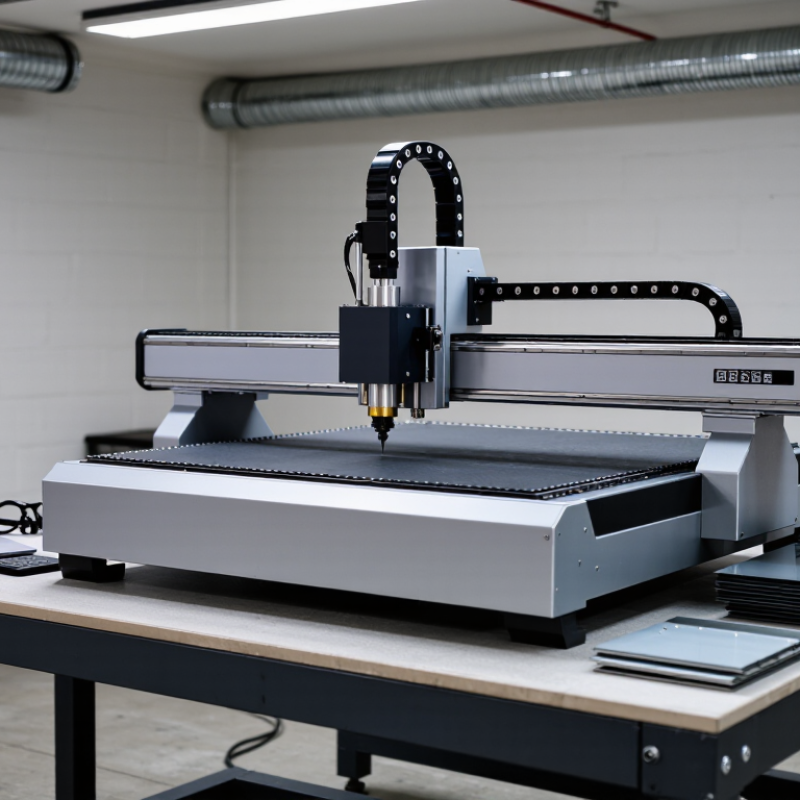
“Small” has no universal industry definition. It usually describes a compact footprint and modest cutting area, not a fixed capacity. A useful check is the work envelope: will it handle your most common sheet size without awkward repositioning? Measure the table, controller, torch travel, and room for loading material. A machine that fits a garage may still need space for fume extraction and safe access. Small, but not cramped.

Fortune Business Insights estimated the global plasma cutting machine market at about USD 1.09 billion in 2024, with growth projected through 2032. That market includes industrial-scale systems, so its figures do not define a “small” machine. For buyers, practical limits matter more: input power, duty cycle, cut thickness, and whether the frame stays steady during repeated cuts. A thin tabletop may vibrate. That can affect edge quality. Check the manufacturer’s stated cut capacity against your material, rather than relying on maximum pierce thickness alone.

Tips: Measure your largest sheet first. Leave room for ventilation, cables, and maintenance. Ask for rated cutting speed and duty-cycle details; brochures can make compact machines sound more capable than everyday shop use proves.

Which 2026 Models Stand Out for Compact Workshops?

For compact workshops in 2026, standout CNC plasma cutters balance a small footprint with useful cutting capacity. A rigid, guarded frame helps manage sparks and keeps the work area orderly. Check the bed dimensions against your usual sheet sizes; a compact machine that requires frequent repositioning can waste time. Useful features include a water table or compatible fume extraction, reliable torch-height control, and software that imports common vector files. Keep it simple. A flashy control screen matters less than stable motion and easy access to consumables.

Before buying, compare the advertised thickness with the recommended working range, not just the maximum pierce claim. Check the power requirements, duty cycle, torch consumables, and service options. A 2-by-2-foot or 2-by-4-foot bed may suit brackets, signs, and repair parts, while longer stock may need a pass-through design. Measure doorways, bench depth, and ventilation routes. I’d leave room for material handling; that detail is easy to overlook. One imperfect trade-off: water tables can reduce airborne dust, but need regular cleaning. Ask for a sample cut in your material and thickness, then inspect the edge, dross, and repeatability before committing.

2026 Top Small CNC Plasma Cutting Machines to Buy? — Which Compact Workshop Configurations Stand Out?
Compact Configuration Approx. Cutting Envelope Typical Plasma Power Range Workshop Space Consideration Best Suited To Key Buying Check
Desktop 2 × 2 ft class
Smallest footprint
About 24 × 24 in (610 × 610 mm) Commonly paired with a 30–45 A plasma source Allow extra room beyond the cutting area for the frame, torch movement, material loading, and safe access. Signage, brackets, small parts, and occasional light fabrication. Check usable travel—not just the table’s outside dimensions—and confirm compatible torch-height control.
Compact 2 × 4 ft class
Balanced choice
About 24 × 48 in (610 × 1,220 mm) Often matched with a 30–60 A plasma source Needs more loading clearance along the long side; confirm the complete machine footprint before purchase. Small fabrication shops cutting brackets, panels, and parts from common sheet sizes. Measure the largest sheet or workpiece you expect to handle, including space needed to load it safely.
Compact 4 × 4 ft class
More sheet flexibility
About 48 × 48 in (1,220 × 1,220 mm) Often matched with a 45–65 A plasma source Requires a larger clear floor area and practical access for handling heavier or wider material. Mixed small-shop work where a 2 × 4 ft bed is too restrictive. Check floor loading, ventilation, electrical supply, and whether the machine can be moved into the workshop.
Portable modular table
Easy to relocate
Commonly around 2 × 2 to 2 × 4 ft, depending on the setup Typically selected to suit a compatible 30–60 A plasma source May be stored or moved when not in use; cutting still requires a stable setup and room for material handling. Shared workshops, mobile fabrication setups, and users with limited permanent floor space. Verify frame rigidity, repeatable assembly, grounding, and whether the controller retains settings after relocation.
Water-table compact system
Fume-control option
Available in small formats such as 2 × 2 or 2 × 4 ft Choose according to the plasma source and the material thickness required Plan for water management, drainage or tank access, and additional weight when the table is filled. Indoor workshops seeking to help reduce airborne dust and sparks during cutting. A water table does not replace suitable ventilation; check maintenance needs and the manufacturer’s operating guidance.

Important: These are representative, non-brand-specific machine configurations, not manufacturer model specifications. Plasma cutting capacity, electrical requirements, footprint, and cut quality vary by machine, power source, material, consumables, and operating conditions. Confirm current 2026 product documentation and local electrical and ventilation requirements before buying.

How Do Cutting Capacity and Motion Systems Compare?

For a small CNC plasma cutter, rated thickness is only part of the buying decision. Check both clean-cut capacity and pierce capacity; a machine may sever thicker plate slowly but leave a rough, tapered edge. ISO 9013:2017 classifies thermal-cut quality using five perpendicularity and angularity ranges. That gives buyers a measurable way to compare edge squareness, rather than trusting a product photo. Small details matter.

Motion systems shape how consistently the torch follows a cut path. Belt drives can suit light, compact machines, while rack-and-pinion systems are common on longer travel axes. A ball screw can offer precise movement over a short span, but needs protection from conductive dust and heat. ISO 230-2:2014 sets out methods for measuring a CNC axis’s positioning accuracy and repeatability. Ask for test results, not just a claimed resolution. A display reading of 0.01 mm does not prove the torch repeats cuts that accurately.

Match the working area to your usual sheet size, then inspect rail stiffness, torch-height control, and acceleration settings. For thin sheet, unstable motion can leave wavy edges; thicker plate puts more demand on pierce control and rigidity. Compare a small test cut in your own material if possible. It is a little inconvenient, but more revealing than a brochure. Even then, one test cannot represent every consumable or setting.

What Software, Safety, and Setup Features Should Buyers Check?

Before buying a small CNC plasma cutter, test its software with a real part file. Check that it imports common CAD formats, offers nesting, and includes a postprocessor matched to the controller. A simulated toolpath should show torch direction, lead-ins, pierces, and cut order. Then compare the screen with a dry run. Small errors matter. A stale file or wrong torch-height setting can spoil a sheet quickly. Ask whether updates, manuals, and replacement postprocessors remain available; these details are easy to overlook.

Safety and setup deserve equal scrutiny. Look for a clearly marked emergency stop, enclosed or guarded moving parts, torch-height control, and practical fume extraction. The U.S. Bureau of Labor Statistics reported a 2.8 total recordable injury and illness rate per 100 full-time workers in manufacturing for 2023; that sector-wide figure is not specific to plasma cutting, but it supports careful risk checks. OSHA’s hot-work rules call for a fire watch in applicable situations, with at least 30 minutes of monitoring after work ends. Check the work area, grounding, air pressure, and consumables before cutting. Keep a log. It may feel fussy, but setup mistakes are not always obvious.

How Can You Match a Machine to Your Materials and Budget?

For a small CNC plasma cutter, start with the metal you actually cut, not the thickest number in a sales table. Measure your usual steel, stainless steel, or aluminum, then check the machine’s rated cut capacity and duty cycle. A 45-amp unit may suit thin sheet and occasional brackets; frequent cuts near its limit can slow work and shorten consumable life. Leave some headroom, but avoid paying for capacity that will sit unused.

Budget for the whole cutting cell. A machine needs a suitable table, fume extraction, electrical supply, compressed air, and replacement consumables. The U.S. Department of Energy’s Improving Compressed Air System Performance sourcebook estimates that leaks can waste 20–30% of compressor output. That matters. A weak or leaky air setup can undermine cut quality, even when the cutter is capable. Check air pressure and flow at the machine, not just the compressor’s label.

Power costs vary by location. The U.S. Energy Information Administration reported an average U.S. industrial electricity price of about 8.1 cents per kilowatt-hour in 2024; use your local rate for a realistic estimate. Compare total ownership cost over a year, including filters, tips, and downtime. I’d rather buy a modest machine with reliable extraction than a larger cutter that strains the shop’s power and air systems. Still, this is an estimate: your actual workload may change the math.

2026 Top Small CNC Plasma Cutting Machines to Buy? How Can You Match a Machine to Your Materials and Budget?

Compare indicative machine-only budget bands with typical clean-cut capacity for mild steel. These are planning estimates, not guaranteed specifications or a market survey; check the manufacturer’s cut chart before buying.

How to use this chart: Choose a machine based on the thickest material you regularly need to cut, then allow budget for the table, air supply, consumables, and ventilation. Plasma cutting works on electrically conductive metals such as mild steel, stainless steel, and aluminum; actual capacity varies with the power source, duty cycle, material, and cut quality required.