
What Is a Zipper Bag Packing Machine?
A Zipper Bag Packing Machine is equipment designed to fill and close bags fitted with a press-to-close zipper. Depending on its design, it may handle premade pouches or form bags from film before filling them. Typical steps include feeding a bag, opening its mouth, dispensing a measured product, and sealing the top. Small details matter. Bag opening can be affected by pouch shape, zipper position, film stiffness, and static. A machine that works smoothly with one bag format may need adjustments for another.
The zipper itself usually provides a reusable closure; it does not always replace the machine’s final heat seal. That distinction matters when comparing equipment. A buyer should check the bag dimensions, product characteristics, filling method, target output, and available changeover options. Powders, granules, and fragile pieces can behave differently during filling, so testing with the actual product is more useful than relying on a general speed claim. Ask how the machine detects misfed bags and what routine cleaning involves. In practice, the neat process diagram rarely shows every pause, adjustment, or rejected pouch. It is not magic. This guide explains the machine’s main components, operating sequence, common applications, and selection considerations, while noting where specifications vary by model and packaging material. The goal is a practical understanding, not a promise that one machine fits every line.
Definition and Purpose of a Zipper Bag Packing Machine
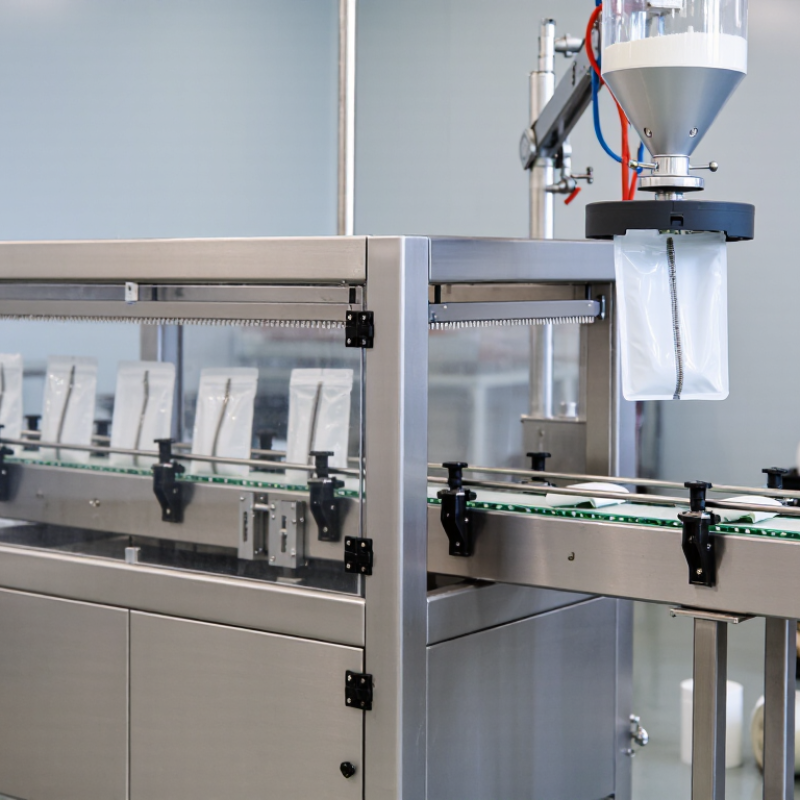
A zipper bag packing machine fills pre-made pouches fitted with a resealable zipper. It presents each pouch, opens the mouth, doses in a product, and seals the top edge above the zipper. Depending on the line, sensors can check pouch position and confirm that the seal area is clear. The zipper itself is usually part of the pouch; the machine’s job is to fill and close it consistently.
The purpose is practical: replace repetitive hand filling with controlled, repeatable operations. An operator may load pouches, set the filling weight, and adjust guides for different bag widths. Small changes matter. A pouch that sits crooked can wrinkle at the seal, while crumbs near the sealing jaws may weaken closure. The machine can improve pace and consistency, but it still needs setup checks and cleaning.
The Flexible Packaging Association’s 2023 State of the U.S. Flexible Packaging Industry report estimated U.S. sales at $42.9 billion in 2022, about 21% of the packaging market. Its 2024 report put 2023 sales at roughly $41.5 billion. These figures describe the broad flexible-packaging sector, not zipper-bag machines alone. They help explain why pouch formats are common, but they do not prove that automation suits every product or production volume. The right machine depends on pouch dimensions, filling accuracy, and the time available for changeovers. The zipper is convenient; the seal still needs attention.

What is a zipper bag packing machine? It is a machine designed to handle pre-made bags with zipper closures, fill them with a product, and seal them for packaging.
Purpose: The machine automates the bag-handling and packing steps, from feeding an empty bag to discharging the filled, sealed package. The chart shows a typical sequence; exact steps vary by machine and product. Numbers indicate step order, not speed or capacity.
Main Components and Their Functions
What Is a Zipper Bag Packing Machine?
Main Components and Their Functions
A zipper bag packing machine forms, fills, and seals flexible pouches with a resealable closure. Its exact layout depends on bag style, product, and production speed. The film unwinding unit holds a roll and feeds packaging film through tension rollers. Stable tension helps prevent wrinkles and keeps the printed design aligned. Small parts matter.
The zipper feeding unit guides zipper tape into position, while sealing jaws bond it to the film with controlled heat and pressure. A forming assembly shapes the film into a pouch, and a dosing system measures the product. For powders, dust near the zipper can weaken the seal; for liquids, filling accuracy and clean sealing areas need close attention. Alignment is critical. These settings often require adjustment when film thickness or product behavior changes.
After filling, sealing jaws close the pouch, and a cutting unit separates each bag. Sensors can check film position, temperature, and pouch presence, while the control panel lets operators adjust timing and sealing parameters. The layout is not universal, so describing one arrangement as a fixed blueprint would be misleading. Even a well-calibrated machine may need inspection during a run, because small shifts in film tracking can affect seal quality.
What Is a Zipper Bag Packing Machine? - Main Components and Their Functions
| Component | Main Function | How It Works in the Packing Process |
|---|---|---|
| Film unwinder and tension control | Supplies packaging film at a controlled rate and keeps it aligned. | The film roll rotates as the machine draws material forward; tension devices help reduce wrinkles and uneven tracking. |
| Forming collar and tube | Shapes flat rollstock into a continuous bag tube. | The film passes over the forming collar and around the forming tube, bringing its edges together for sealing. |
| Zipper feed and guiding assembly | Feeds zipper profile material and positions it consistently on the film. | Guides, rollers, and alignment controls bring the zipper to the intended opening area before it is sealed to the film. |
| Zipper sealing station | Attaches the zipper strips to the bag film using heat and pressure. | Heated sealing elements bond the zipper flanges to the film; temperature, pressure, and dwell time are set for the packaging materials. |
| Longitudinal sealing unit | Seals the film edges to form the bag’s back or side seam. | A heated sealing assembly closes the film seam along the direction of travel, creating the basic bag tube. |
| Pull belts or film-draw rollers | Advance the film by a controlled length for each bag. | Driven belts or rollers grip the film and coordinate its movement with sealing and cutting cycles. |
| Filling interface or dosing system | Measures and delivers product into each bag. | The dosing equipment may use a suitable method, such as a volumetric cup, auger, pump, or scale, depending on the product. |
| Cross-sealing jaws | Create the top seal of one bag and the bottom seal of the next. | The jaws close across the bag tube and apply heat and pressure; jaw timing is coordinated with filling and film movement. |
| Cutting unit | Separates finished bags from the continuous film tube. | A knife or cutter operates at the programmed position, commonly through or beside the cross-seal area. |
| Registration sensor | Detects printed marks to help position artwork and cuts. | When printed registration marks are used, the sensor sends position information to the control system to adjust film indexing. |
| PLC and motion controls | Coordinate machine sequences, timing, and operating parameters. | The controller synchronizes film feeding, zipper sealing, product dosing, bag sealing, and cutting. |
| Operator interface | Allows operators to set parameters and monitor machine status. | A touch panel or control panel may display settings, alarms, and production information. |
| Pneumatic system | Provides compressed-air actuation for selected machine movements. | Air cylinders and valves may operate jaws, cutters, or other mechanisms, depending on the machine design. |
| Bag discharge area | Moves completed bags away from the cutting station. | A chute or conveyor carries bags to collection, inspection, or downstream packaging equipment. |
How the Machine Fills and Seals Zipper Bags
What Is a Zipper Bag Packing Machine?
How the Machine Fills and Seals Zipper Bags
A zipper bag packing machine moves empty bags from a magazine to a filling station. Suction cups or grippers separate one bag, then open its mouth. Some machines use a small air blast to help the pouch open fully. The zipper must stay clear of the product path. Small details matter.
Once the bag is open, a scale or metered feeder measures the product and drops it through the top. The fill method depends on the material: powders need dust control, while loose pieces may need a gentler drop. Operators check that product has not landed on the zipper or sealing area. Even a few crumbs can weaken the seal.
After filling, heated jaws press the bag’s top edge together, usually above the zipper profile. A brief cooling step can help the seal hold its shape. Settings such as temperature, pressure, and dwell time need adjustment for the film and bag design. There is no single setting for every pouch. A seal may look neat but still leak, so routine checks matter. It is easy to blame the machine; sometimes the bag material or a misaligned zipper is the real issue.
Common Machine Types and Packaging Applications
What Is a Zipper Bag Packing Machine?
Common Machine Types and Packaging Applications
A zipper bag packing machine fills resealable pouches, closes their zipper, and heat-seals the top. Premade pouch machines handle bags that are already cut and fitted with zippers. Rotary models use several stations for opening, filling, and sealing, while linear machines move pouches along a straight path. Vertical form-fill-seal systems create bags from roll film, but need compatible zipper material and forming equipment. The right setup depends on bag size, product flow, and output needs.
These machines package products such as snack foods, coffee, dried ingredients, frozen produce, and pet food. Granular products usually feed through a scale or volumetric doser. Powders may need controlled filling to reduce dust near the zipper. Larger pieces can require wider openings and gentler handling. Small details matter: crumbs trapped in the zipper can prevent a clean closure.
Before choosing a machine, test it with the actual product and pouch. Check whether bags open consistently, the zipper engages, and the top seal stays clear. A machine that runs well with empty pouches may behave differently once filled. There is no perfect setup. Product shape, static, and humidity can all affect operation, and those variables are easy to underestimate.
Key Factors in Machine Selection and Operation
A zipper bag packing machine opens pre-made pouches, fills them with product, and seals them above the zipper. Selection should begin with the actual bag, not a brochure speed claim. Check pouch width, height, zipper position, film stiffness, and whether the bag stands reliably on the machine’s grippers. Small details matter.
Match the machine’s filling system to the product. Granules may need a measured cup or scale, while powders often require controlled auger dosing. Ask for a trial using your own product and bags. Observe whether the zipper opens cleanly, the fill lands inside the pouch, and the seal stays free of crumbs or oil. A fast cycle is not useful if it creates frequent stops or uneven seals.
During operation, monitor sealing temperature, pressure, and dwell time; the right settings depend on the pouch material and thickness. Keep zipper tracks and sealing jaws clean, and check sample bags at start-up and after adjustments. Confirm that operators can change bag sizes and clear jams safely. I would leave room for a slower setting during setup. It often reveals problems that a short demonstration misses. Record settings and defects by product and bag type, then review them after each changeover. Some waste may still occur, so include it in production planning.

