What Are the Top Vertical Cartoning Machine Types in 2026?
Vertical cartoning is not one-size-fits-all. A compact line filling small cartons of tablets faces different demands from one packing jars, pouches, or frozen foods. The right Vertical Cartoning Machine must handle the product gently, form cartons consistently, and keep pace with upstream filling equipment. A few millimeters matter. So does a carton that opens cleanly on every cycle.
Industry reports help explain why these choices matter. PMMI’s 2024 State of the Industry: U.S. Packaging Machinery Shipments examines the forces shaping equipment investment, including automation and production needs. Its findings offer useful context, but they cannot determine the best machine for a specific plant. That depends on product dimensions, carton style, changeover frequency, available floor space, and operator experience. Real production trials still count.
Packaging-science professor Dr. Andrew Hurley of Clemson University is a relevant expert in packaging design and systems. However, no verifiable statement from him about vertical cartoners is available in the supplied material. Inventing a quotation would mislead readers. A practical selection principle for this guide is: “Match the carton to the product, then match the machine to the line.” The coming comparison covers intermittent-motion and continuous-motion cartoners, along with other common configurations. It considers their strengths, trade-offs, and fit for different production settings. Not every detail is settled by a spec sheet. The best choice should be tested with the actual carton and product, under realistic line conditions.
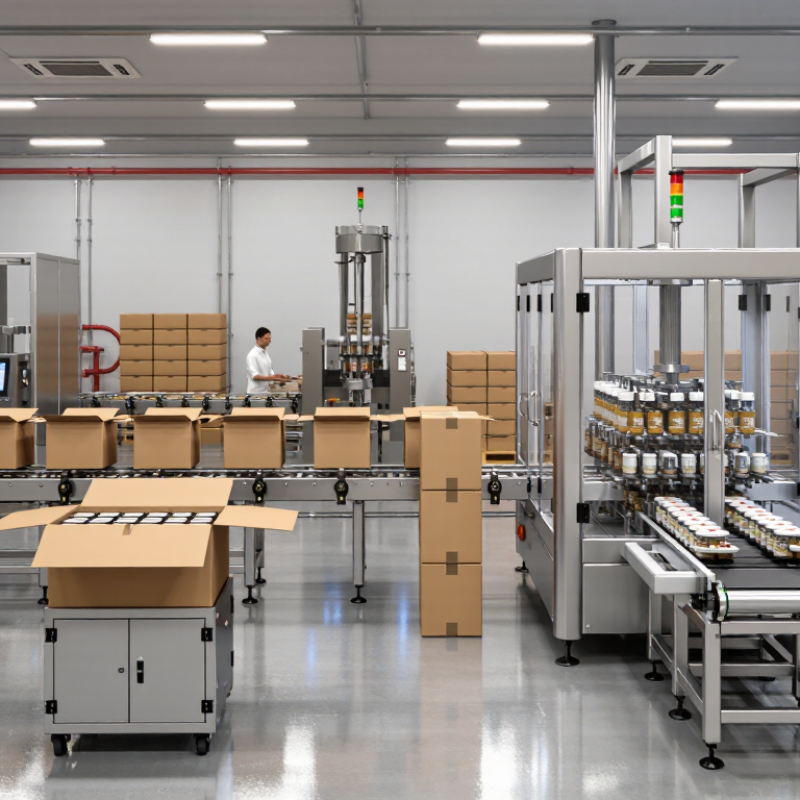
How Vertical Cartoning Machines Are Classified
Vertical cartoning machines are classified by carton handling, product feeding, and operating motion. These categories describe practical differences better than a headline speed alone. Intermittent-motion models stop each carton for loading and closing, which can suit products needing careful placement. Continuous-motion models keep cartons moving and may support higher output, but require well-coordinated feeding.
Carton handling is another useful distinction. Some machines form cartons from flat blanks; others accept pre-erected cartons. Product loading may be manual, assisted, or automatic, depending on the line and product shape. A bottle, pouch, or small stack of cartons each needs different guides and timing. Small changes matter.
Closing methods also separate machine types. Tuck-in closures use carton flaps, while glue-sealed designs apply adhesive before compression. The right choice depends on carton construction, finish, and how firmly the package must stay closed. Buyers should also consider format range, changeover time, and available floor space. A neat specification sheet can hide awkward adjustments. It is worth testing the actual carton and product together, since a machine that handles one format smoothly may struggle with another.
Semi-Automatic Vertical Cartoning Machines
What Are the Top Vertical Cartoning Machine Types in 2026?
Semi-Automatic Vertical Cartoning Machines
Semi-automatic vertical cartoners suit small and mid-sized runs where operators load products by hand, while the machine erects and closes cartons. Common configurations include manual product loading with automatic carton forming, and systems with assisted insertion or closing. They can handle frequent changeovers without the footprint or investment of a fully automatic line. A practical middle ground. The 2024 Deloitte and Manufacturing Institute study estimates that U.S. manufacturing may need 3.8 million workers by 2033, with 1.9 million jobs at risk of going unfilled. This is not packaging-specific evidence, but it helps explain interest in equipment that reduces repetitive handling.
In practice, check that the product fits the loading area and that carton blanks feed reliably. A machine’s advertised speed may not reflect real output when an operator must orient products, load cartons, and clear jams. Test with your actual carton board, product, and closure style. Record sustained output, changeover time, and misfeed frequency across a representative run. Results can be imperfect; a short trial may miss problems that emerge during a full shift.
Tips: Keep sample cartons beside the machine during setup. Confirm operator reach, guarding, and cleaning access before purchase. Ask for a timed acceptance test using your products, not demonstration samples.
Intermittent-Motion Automatic Cartoners
What Are the Top Vertical Cartoning Machine Types in 2026?
Intermittent-Motion Automatic Cartoners
Intermittent-motion automatic cartoners pause the carton at each station. The machine erects a blank, loads the product, then closes the carton. That stop-and-go rhythm allows controlled handling of bottles, trays, and other items that need careful placement. Operators can watch the carton open and check whether the product sits squarely before closure. Small batches matter. These systems can suit varied carton sizes and frequent changeovers, though each adjustment still takes time.
The International Federation of Robotics reported 4,281,585 industrial robots operating worldwide in 2023, a 10% increase over 2022 in its World Robotics 2024 report. This points to a broader move toward factory automation, not cartoner-specific adoption. For buyers, useful checks include format-change time, jam access, and whether sensors detect missing cartons or misplaced products. Ask for a product trial using your actual carton blanks and items. One limitation remains: intermittent machines pause between operations, so their output may not match a continuous-motion line. A published top speed can also mislead if it excludes changeovers, rejects, or operator intervention.
Continuous-Motion Vertical Cartoners
Continuous-Motion Vertical Cartoners
Continuous-motion vertical cartoners form cartons while product moves through the machine, rather than stopping at each station. This steady flow can support higher output when carton forming, loading, and closing stay synchronized. A carton blank opens around a moving flight, while product is placed through the top. The exact sequence varies with the machine and package design.
They suit products that can be counted, grouped, or fed consistently, such as pouches, sachets, and small containers. Timing matters. A misaligned blank or uneven product feed can cause jams, poor seals, or cartons with missing items. Sensors and operator checks help catch these issues, but they do not replace careful setup. Changeovers also deserve attention: guides, forming parts, and settings may need adjustment for a new carton size. That takes time.
For buyers, compare the required production rate with the real product-handling conditions, not just a machine’s stated maximum speed. Check how easily staff can reach jam points and inspect carton closure. A fast line is not always the better line. Continuous motion can be less forgiving when product flow varies, and that trade-off is easy to underestimate during planning. A small production trial can reveal awkward transfers before installation.
Continuous-Motion Vertical Cartoners: Typical Process Sequence in 2026
A typical workflow for forming, loading, and closing cartons in a continuous-motion vertical cartoner.
Bars show the order of the process steps, not machine speed or production output. Exact layouts and handling methods vary by machine and product.
Specialized Vertical Cartoners for Complex Products
Specialized vertical cartoners handle products that resist simple, repeatable loading. A pouch may slump. A bottle may arrive tilted. A mixed kit may need parts in a precise order. These machines form cartons upright, then guide products through a controlled top-loading path. For fragile items, gentle pick-and-place tooling can reduce impact during transfer.
Different product shapes call for different feeding systems. Vibratory tracks can orient small rigid pieces, while pocketed conveyors help keep pouches or trays spaced apart. Servo-driven cartoners offer adjustable timing for products with changing dimensions. Some systems add vision inspection to check orientation or confirm that a carton contains the expected components. Useful details matter. A sensor cannot fix a poorly designed infeed.
Before choosing a machine, test the actual product and carton together. Record changeover time, jam frequency, and how easily operators clear a stopped line. Ask whether the equipment can handle real variation in pouch fill or carton stiffness, not just perfect samples. A clean factory trial can mislead. One awkward package may reveal more than a hundred easy cycles. The best configuration is usually the one that protects product quality while remaining practical to clean, adjust, and maintain.