What Are the Top LiFePO4 Battery Types?
A Lifepo4 Battery is not a single product format. It may use prismatic, cylindrical, or pouch cells, each with different packaging and cooling needs. The cell shape matters, but it does not tell the whole story. Capacity, continuous discharge rating, battery management system, and build quality all affect real-world performance.
Battery researcher Dr. Jeff Dahn’s work offers a useful reminder: judge a battery by how it performs under its intended operating conditions. This is not a direct quotation, but a practical summary of that engineering principle. A compact 12-volt pack for a camper, for example, faces different demands from a high-capacity storage bank supporting daily household use. Look beyond a product label. Check the datasheet, operating temperature range, cycle-life test conditions, and warranty terms. These details reveal more than a headline capacity figure.
The comparison is not always neat. Two batteries with similar specifications can behave differently when their cells, controls, and thermal design differ. That deserves a closer look. This guide introduces the leading LiFePO4 battery types and explains where each format tends to fit. It also points out trade-offs, so readers can compare products without assuming one design suits every installation. A specification sheet can still leave questions unanswered; verify important claims with the manufacturer before choosing a battery.
How LiFePO4 Battery Types Are Classified
What Are the Top LiFePO4 Battery Types?
How LiFePO4 Battery Types Are Classified
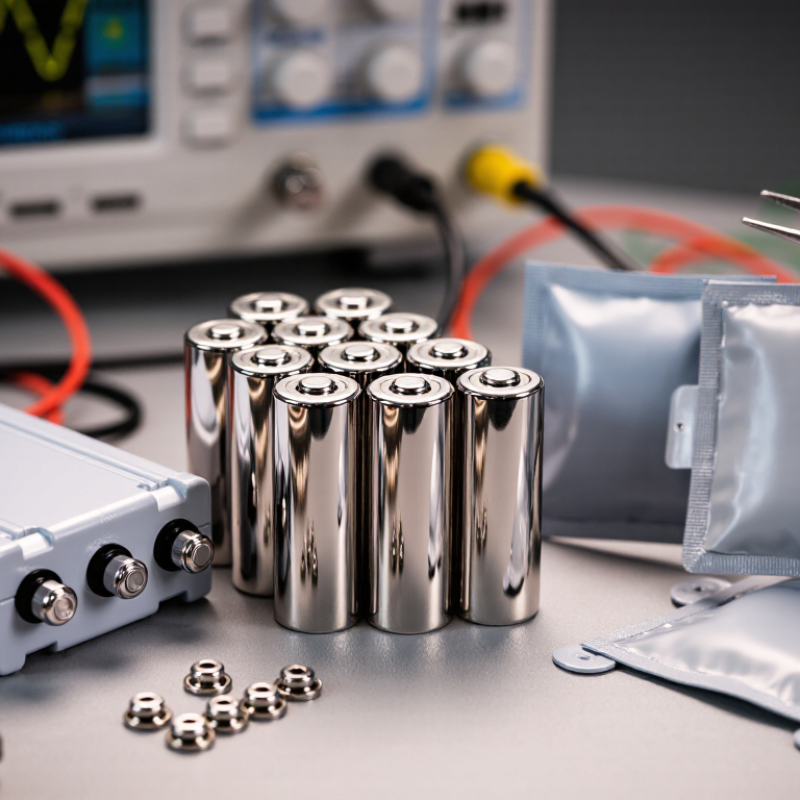
LiFePO4 batteries are commonly classified by cell shape, electrical configuration, and intended use. The main formats are cylindrical, prismatic, and pouch cells. Cylindrical cells resemble small metal cans; prismatic cells sit in rigid rectangular cases; pouch cells use flexible laminated packaging. Format matters. It affects how cells fit, release heat, and connect inside a pack, but does not alone determine performance.
Chemistry is another useful classification. LiFePO4 is a lithium-ion chemistry valued for thermal stability and long cycle life. The International Energy Agency’s Global EV Outlook 2024 reports that LFP batteries represented about 40% of the global electric-car battery market in 2023. Packs are also grouped by voltage and capacity. For example, four cells connected in series provide about 12.8 volts nominally. The full specification still matters: cell arrangement, battery-management system, current limits, and temperature range can change how a pack performs. Labels are helpful, but not always enough.
Tips: Match the battery’s nominal voltage and continuous current rating to the equipment. Check the manufacturer’s cell and pack specifications, not just the casing or capacity label. A small mismatch can cause practical headaches.
What Are the Top LiFePO₄ Battery Types?
Common LiFePO₄ cell formats classified by construction
LiFePO₄ cells are commonly classified as cylindrical, prismatic, or pouch cells based on their physical construction. All three formats have a typical nominal cell voltage of about 3.2 V; their size, packaging, and capacity vary by design.
Prismatic LiFePO4 Batteries: Structure and Uses
Prismatic LiFePO4 cells place layered electrodes inside a rigid, rectangular casing. Their flat faces can fit closely together, helping battery designers use space efficiently in buses, energy-storage cabinets, and some electric vehicles. The casing also makes terminals and cell labels easy to inspect. However, cell shape and chemistry are different things: “prismatic” describes the format, while LiFePO4 describes the cathode chemistry. The IEA’s Global EV Outlook 2024 reports that LFP accounted for nearly 40% of the global electric-car battery market in 2023. That figure covers LFP batteries across formats, not prismatic cells alone.
In a battery pack, prismatic cells are usually connected into modules or arranged directly into a larger system. Their broad surfaces need consistent mechanical support and clearances for heat management. LiFePO4 is valued for thermal stability and long service life, but performance still depends on cell quality, operating temperature, and charging controls. A swollen or poorly supported cell can become a real maintenance concern. The neat rectangular outline is not a guarantee of easy installation.
Tips: Check the cell datasheet for dimensions, allowable compression, temperature limits, and cycle-life test conditions. Compare test conditions before comparing cycle-life figures; they may not match your actual duty cycle. IEA data provides market context, not a substitute for a system-level engineering assessment.
Cylindrical LiFePO4 Batteries: Design and Applications
Cylindrical LiFePO4 cells place layered electrodes and a separator inside a rigid metal casing. Their round shape helps resist handling damage, while the sealed shell contains the cell’s internal components. A typical cell has a nominal voltage of about 3.2 volts, so packs connect multiple cells to reach a target voltage and capacity. The casing can also make automated assembly straightforward. Fit matters.
In practice, cylindrical cells suit portable power stations, backup systems, and some electric mobility applications. Their consistent dimensions can simplify replacement and pack layout, but round cells leave small gaps in rectangular enclosures. Not always ideal. Designers must also consider heat paths, vibration, current limits, and a battery management system that monitors voltage and temperature. LiFePO4 chemistry is generally known for stable operation, but it is not immune to misuse or poor thermal design. Charging in very cold conditions can damage cells, so the system should follow the cell maker’s specified limits. A tidy pack on paper may still need careful testing once cables, supports, and cooling parts are installed.
Pouch LiFePO4 Batteries: Flexibility and Trade-Offs
Pouch LiFePO4 cells use flexible laminated packaging rather than rigid metal cans. Their flat shape can fit slim battery compartments and reduce wasted space. That can help designers build compact packs for stationary storage, mobility equipment, or custom enclosures. The IEA’s Global EV Outlook 2024 reported that LFP chemistry made up nearly 40% of the global electric-car battery market in 2023. That figure describes chemistry, not pouch-cell share, but it shows why LFP formats merit attention.
Flexibility comes with trade-offs. A soft pouch usually needs a sturdy enclosure and careful support to limit movement and swelling. Its edges and seals also need protection from impact, moisture, and assembly damage. In a real pack, those details matter: a cell that fits neatly on paper may need extra bracing and space once installed. Pouch construction is not automatically lighter or safer overall; pack design decides much of that. This is easy to underestimate.
Tips: Check the cell maker’s dimensional tolerances, compression guidance, and operating limits before designing a tray. Leave room for swelling, and avoid sharp edges near the pouch. For reliable comparisons, review test data for the complete cell and pack, not just a headline energy-density figure. The IEA market data offers useful context, but it cannot replace application-specific validation.
How to Choose a LiFePO4 Battery Type for Your Needs
What Are the Top LiFePO4 Battery Types?
How to Choose a LiFePO4 Battery Type for Your Needs
Choosing a LiFePO4 battery starts with the job it must do. Common cell formats include prismatic, cylindrical, and pouch cells; complete batteries also differ in voltage and capacity. The International Energy Agency’s Global EV Outlook 2024 reports that LFP batteries made up nearly 40% of the global electric-car battery market in 2023, up from less than 10% in 2020. That growth shows broad adoption, but it does not mean every LFP battery suits every setup.
Estimate daily energy use in watt-hours, then check the battery’s usable capacity, continuous output, and surge rating. For example, a device drawing 300 watts for four hours needs at least 1,200 watt-hours before inverter losses or reserve capacity. Match the battery voltage to the equipment, and confirm that its battery management system supports the intended charging current and temperature range. Space matters too: measure the compartment, including room for cables and ventilation. A specification sheet can look reassuring; real loads are less tidy.
Tips: Leave capacity headroom for cold weather, aging, and unexpected use. Ask for test conditions behind cycle-life claims; results vary with depth of discharge and temperature. If the system will expand later, check whether batteries can be connected in parallel. Don’t choose by capacity alone.