Top 10 Natural Gas Generators for Home and Business
A power outage can turn ordinary routines into urgent decisions. The refrigerator warms, the office network goes dark, and essential equipment may stop. A Natural Gas Generator can provide backup power when its capacity, fuel supply, and installation match the site. But choosing one is not just a matter of comparing advertised wattage.
Energy scholar Vaclav Smil writes, “Energy is the only universal currency: one of its many forms must be transformed to get anything done.” That idea helps frame this guide. A generator converts fuel into usable electricity, and every model makes different trade-offs. Rated output, starting capacity, transfer-switch compatibility, operating noise, maintenance needs, and emissions all deserve attention. Small details matter. A transfer switch, for example, can affect which circuits receive power during an outage.
This Top 10 list compares natural gas generators for homes and businesses, including options for standby and portable use. It focuses on practical fit, not just headline specifications. Check local installation requirements with qualified professionals, and confirm gas-line capacity before buying. No ranking can account for every property. A quiet unit may still be too small; a powerful one may cost more to install. Use the comparisons as a starting point, then match the choice to your actual loads, outage risks, and budget. One trade-off may remain unclear until an installer assesses the site.
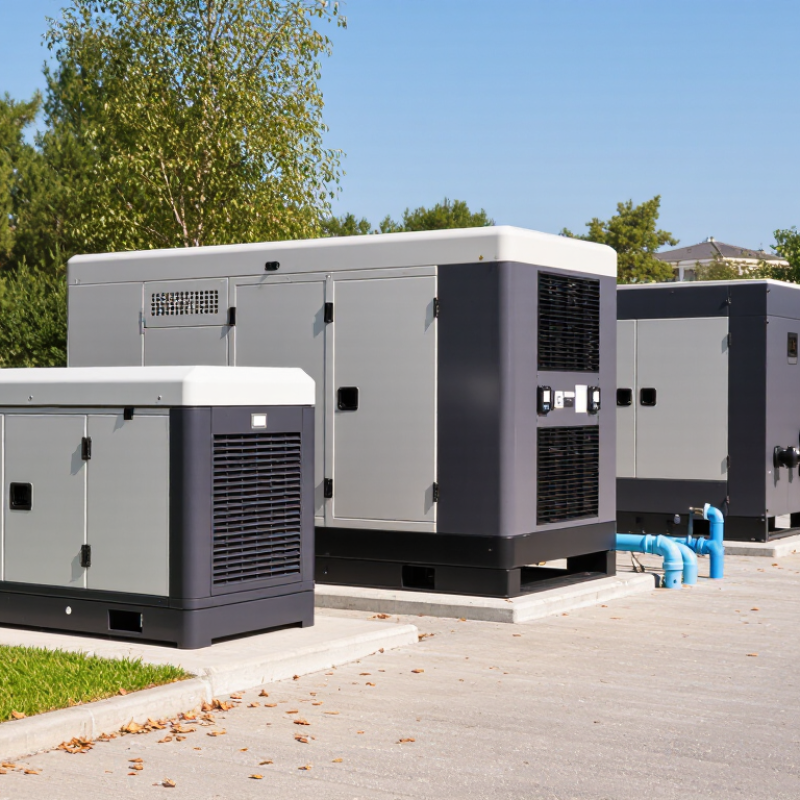
Natural Gas Generators: Fuel Systems, Output, and Core Components
Fuel delivery is the quiet constraint behind a natural gas generator’s rated output. Gas passes through a service line, shutoff valve, pressure regulator, and engine fuel system; each must match the unit’s requirements. A narrow pipe or pressure drop can cause trouble when the engine starts under load. Have a qualified installer verify the supply and sizing. It is easy to overlook this. Yet a large nameplate rating cannot compensate for inadequate fuel flow.
Inside the generator, the engine turns an alternator, while a voltage regulator helps steady electrical output. Controls monitor operation; cooling and exhaust systems manage heat and combustion gases. A transfer switch connects selected circuits during an outage. Check both running output and brief starting demand from equipment such as pumps. The U.S. EPA’s Catalog of CHP Technologies reports electrical efficiencies of roughly 25–50% for reciprocating engines, with results depending on engine size and configuration. Its higher total-efficiency figures apply when useful heat is captured, not to electricity alone. The U.S. Department of Energy’s reciprocating-engine CHP fact sheet likewise describes combined heat and power as a way to use engine heat. That distinction matters when comparing specifications. Real-world performance can still disappoint if maintenance, fuel pressure, or load planning gets little attention.
How to Compare Capacity, Efficiency, and Operating Costs
Choosing a natural gas generator starts with the loads it must actually support. List essential equipment, such as a refrigerator, sump pump, lights, and heating controls. Check each item’s running watts and starting surge; motors can briefly demand much more power. Add the loads that may operate at the same time, then leave room for future needs. Bigger is not automatically better. An oversized unit may run lightly loaded, while an undersized one can struggle when several appliances start together.
Compare fuel use at similar load levels, not just advertised efficiency figures. Ask for consumption data at partial and full output, then compare it with local gas rates. A spreadsheet can look precise but still miss connection fees or seasonal rate changes. Those costs matter. Also check whether the property’s gas line can supply the required pressure and flow; a qualified installer can assess this safely. Noise, maintenance access, and expected outage duration affect real-world value, too. I would treat any single “cost per hour” estimate cautiously, since actual demand changes throughout an outage. The best comparison uses realistic household loads and clearly stated assumptions.
Top 10 Natural Gas Generators for Home and Business - How to Compare Capacity, Efficiency, and Operating Costs
Illustrative natural-gas generator size classes, ordered by nominal electrical output. | Rank | Generator Size Class | Nominal Output | Estimated Electrical Efficiency | Estimated Gas Use at Full Load | Estimated Fuel Cost per Hour | Typical Comparison Use |
| 1 | Compact residential standby | 10 kW | 25% | 1.36 therms/hour | $2.05/hour | Selected essential household circuits and smaller loads |
| 2 | Residential standby | 14 kW | 26% | 1.84 therms/hour | $2.76/hour | Essential circuits with additional household appliances |
| 3 | Large-home standby | 20 kW | 28% | 2.44 therms/hour | $3.66/hour | Broader home backup, subject to load management |
| 4 | Whole-home standby | 26 kW | 30% | 2.96 therms/hour | $4.44/hour | Higher residential loads when properly sized and installed |
| 5 | Small commercial generator | 50 kW | 32% | 5.33 therms/hour | $8.00/hour | Small offices, retail sites, or light commercial facilities |
| 6 | Commercial generator | 100 kW | 34% | 10.04 therms/hour | $15.06/hour | Medium commercial buildings and larger backup loads |
| 7 | Mid-size commercial generator | 150 kW | 36% | 14.22 therms/hour | $21.33/hour | Commercial facilities with substantial continuous loads |
| 8 | Large commercial generator | 250 kW | 38% | 22.45 therms/hour | $33.67/hour | Large buildings, campuses, or industrial support loads |
| 9 | Industrial generator | 500 kW | 40% | 42.65 therms/hour | $63.98/hour | Large facilities or multi-unit power installations |
| 10 | Large industrial generator | 1,000 kW | 42% | 81.24 therms/hour | $121.86/hour | Large industrial or institutional power requirements |
These are representative planning estimates, not specifications for particular products. Gas consumption is calculated at nominal full-load output using the listed electrical efficiency and an approximate natural-gas energy content of 100,000 Btu per therm. Fuel cost assumes $1.50 per therm; actual utility rates, gas pressure, generator design, load, and operating conditions will change consumption and cost. Estimates exclude installation, maintenance, demand charges, and other fees. Confirm required capacity and fuel supply with a qualified generator professional.
Top 10 Natural Gas Generators for Home and Business
Choosing among the top 10 natural gas generators for home and business starts with the loads that must stay on. A refrigerator, sump pump, and furnace blower need different starting power than a workshop compressor or office server rack. Compare continuous output, surge capacity, fuel supply requirements, voltage, transfer-switch compatibility, noise, weather protection, service access, and control features. These ten checks reveal more than a peak-watt figure alone. Keep it practical.
For a home, list essential circuits and ask an electrician to calculate their combined starting and running loads. A small business may also need to protect computers, refrigeration, or production equipment. No single model fits every site. Natural gas supply must support the generator under load, and a utility interruption can affect fuel availability too. Install the unit outdoors with required clearances, never in a garage or enclosed space. Follow the installation manual and schedule routine testing and maintenance. A specification sheet can look convincing, yet miss an awkward detail, such as limited service access or a transfer switch that does not match the electrical system. Verify those details before choosing.
Installation, Safety, Emissions, and Maintenance Essentials
A natural gas generator is only as dependable as its installation. Have a qualified technician assess the electrical panel, gas supply, expected loads, and drainage before equipment arrives. A transfer switch should separate generator power from utility lines and meet local requirements. Keep the unit outdoors, away from doors, windows, vents, and places where snow or leaves could block airflow. Carbon monoxide is invisible. Never operate a generator in a garage, even with the door open. Check permitting and utility requirements; paperwork can delay installation, and it should not be treated as optional.
Emissions and efficiency depend on correct setup, fuel pressure, load, and upkeep. Ask the installer to check exhaust routing and operation under load, then keep service records. Follow the manual’s schedule for oil, filters, spark plugs, battery checks, and exercise runs. If you smell gas, leave the area and contact the gas utility or emergency services from a safe location. Small details matter. Noise is easy to overlook: a unit that seems quiet in daylight may disturb nearby residents at night. Arrange routine service before storm season, when technicians may be busy.
Natural Gas Generator Emissions: Fuel CO₂ Factors
Carbon dioxide released per unit of fuel energy, useful for comparing the combustion emissions of common generator fuels.
Natural gas has the lowest listed combustion CO₂ factor. These figures are per MMBtu of fuel input—not per unit of electricity generated—and do not include methane leakage or other life-cycle emissions. Source: U.S. EPA greenhouse gas emission factors.