Who Are the Top Hydraulic Lift Manufacturers in China?
Choosing a supplier for a Hydraulic Lift starts with more than comparing prices. Buyers need to assess rated load, travel height, platform dimensions, duty cycle, and installation conditions. A warehouse serving pallet traffic has different needs from a clinic or a small commercial building. Details matter.
China’s urban development provides useful context. The World Bank’s World Development Indicators report that about 66% of China’s population lived in urban areas in 2023. Grand View Research’s Elevators Market Size, Share & Trends Analysis Report estimated the global elevator market at USD 88.3 billion in 2022 and forecast growth through 2030. That figure covers the broader elevator market, not hydraulic lifts alone. It should not be treated as a direct measure of hydraulic-lift demand.
This guide examines leading Chinese manufacturers through practical criteria: product range, load capacity, safety features, customization, quality documentation, service coverage, and export experience. Buyers should request model-specific specifications and verify that stated performance matches the intended installation. A polished catalog is not proof of a reliable service network. Nor does a low quotation reveal lifecycle costs. Manufacturer rankings can change with project requirements, so there is no universal winner. The comparisons below offer a starting point, not a substitute for technical review.
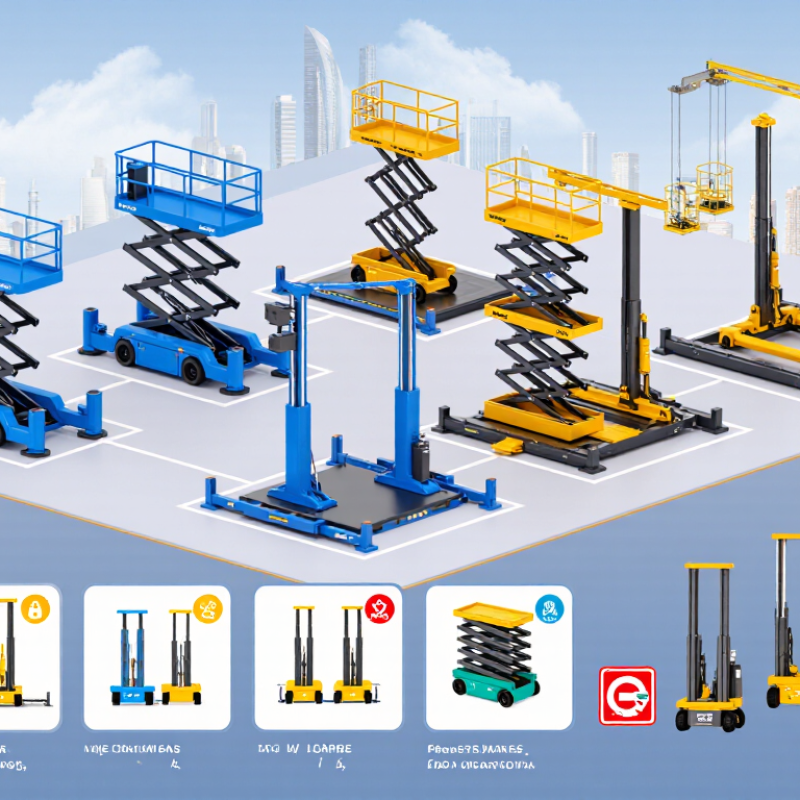
Understanding Hydraulic Lifts and Their Main Applications
Hydraulic lifts use a pump to push oil into a cylinder, raising a platform or cabin. Releasing pressure lets the platform descend. The mechanism is straightforward, but load, travel height, duty cycle, and available space all affect system design. That matters. A lift serving a two-storey home has different demands from one moving pallets between warehouse floors.
Common applications include passenger access in low-rise buildings, vehicle service bays, loading docks, and industrial goods handling. In homes and public buildings, platform lifts can help people navigate level changes. The World Health Organization’s Ageing and Health fact sheet reports that one in six people worldwide will be aged 60 or older by 2030. This demographic shift increases the importance of practical access planning, though it does not make every site suitable for a hydraulic lift.
Energy use also deserves attention. The International Energy Agency’s 2023 Buildings tracking report estimates that buildings account for about 30% of global final energy consumption. That figure covers buildings, not lifts alone. Still, it makes drive efficiency and standby behavior relevant when comparing systems. A limitation is easy to overlook: hydraulic equipment needs space for its power unit and regular checks for leaks. Real operating conditions can be messier than a specification sheet suggests.
Key Criteria for Evaluating Chinese Hydraulic Lift Manufacturers
When comparing Chinese hydraulic lift manufacturers, verify the engineering behind the brochure. China Elevator Association industry statistics put the country’s installed elevator stock above 10 million units in 2023. This broad figure is not a count of hydraulic lifts, but it shows the scale of the supply chain. Ask manufacturers for rated-load and travel-range test records, component traceability, and documented inspection procedures. Check whether the proposed design meets standards applicable to its intended use, such as ISO 9386-1 for certain powered lifting platforms. A polished brochure is not proof.
Look closely at the hydraulic system: cylinder and seal specifications, hose protection, emergency lowering, and overload safeguards. Request a factory audit or witnessed acceptance test, then compare the results with your project’s duty cycle and site conditions. Ask how quickly replacement seals, valves, and power-unit parts can be supplied. Paperwork can look perfect. Real service response matters more. No single score captures that.
Tips: Send each shortlisted supplier the same load, travel, and operating-cycle requirements. Compare test evidence and warranty exclusions, not just price. If a claim cannot be tied to a drawing or test record, treat it as unverified.
Who Are the Leading Hydraulic Lift Manufacturers in China?
The leading hydraulic lift manufacturers in China are best assessed by engineering depth, production consistency, and after-sales support—not by catalog size alone. A capable supplier should explain load ratings, platform dimensions, lifting speed, and duty cycle in clear technical terms. Ask how its team tests cylinders, valves, and safety interlocks before shipment. Good answers include measurable checks, not just broad promises.
Factory experience shows up in practical details. Welds should be even, hose routing protected from abrasion, and control panels clearly labeled. For a warehouse lift, request drawings that match the site’s floor level, aisle width, and power supply. For outdoor use, ask about corrosion protection and temperature limits. These details matter. They can prevent costly changes after installation.
There is no reliable single ranking that fits every buyer. A manufacturer suited to a compact goods lift may not be right for a vehicle platform or a high-cycle production line. Compare documented test records, spare-parts availability, and the response process for faults. A polished brochure is useful, but it is not proof. I would also verify references for similar installations; this step is easy to skip, and that can be a mistake.
Comparing Product Range, Certifications, and After-Sales Support
When comparing Chinese hydraulic lift manufacturers, product range matters more than a long catalogue. Check rated load, travel height, platform size, pit depth, and indoor or outdoor suitability. A warehouse lift carrying pallets needs different safeguards from a compact lift serving a clinic. Ask for drawings and test records for the exact configuration, not just a standard product sheet. Small details count.
Certifications also need context. ISO 9001 indicates a quality-management system; it does not prove that every lift model meets applicable safety requirements. Request model-specific conformity documents, component traceability, and inspection records, then verify requirements for the destination market. Fortune Business Insights valued the global elevator market at USD 88.59 billion in 2023 and forecast USD 147.31 billion by 2032. This broad market figure is not hydraulic-lift-specific, but it signals a growing field where documented quality matters.
After-sales support can separate otherwise similar suppliers. Compare warranty scope, spare-parts availability, technician response times, and remote troubleshooting options. Ask who handles commissioning and whether manuals include hydraulic schematics and fault codes. A quick reply is helpful. A local service plan is better. I would still treat service promises cautiously: response-time claims are easy to make, and harder to verify without customer references or a written service agreement.
Who Are the Top Hydraulic Lift Manufacturers in China?
Typical rated-capacity ranges across common hydraulic lift product categories (tonnes). These indicative ranges are not rankings or specifications for any individual manufacturer.
When comparing suppliers, verify current certificates and their scope, applicable market conformity documents, warranty terms, spare-parts availability, and service response commitments directly with each manufacturer.
China’s Hydraulic Lift Industry and Its Competitive Landscape
China’s hydraulic lift industry spans passenger elevators, freight lifts, platform lifts, and equipment for specialized buildings. Competition is shaped by manufacturing capacity, engineering support, delivery schedules, and the ability to adapt designs to different sites. Large projects may require coordinated installation planning, while smaller facilities often prioritize compact equipment and straightforward maintenance access.
Tips: Compare rated load, travel height, duty cycle, and service coverage. Ask for drawings and inspection records. Details matter.
A supplier’s factory size alone cannot show how well a lift will perform in daily use. Buyers should review component specifications, quality-control procedures, and documented testing, then confirm that the proposed configuration matches the building’s conditions. Site measurements are important: a narrow shaft or limited headroom can change the design. After-sales response also deserves scrutiny, since a delayed replacement part can keep equipment out of service. Price comparisons are useful, but they can miss differences in installation scope and maintenance support. Honestly, supplier claims can be difficult to compare without consistent test data. A careful evaluation should consider evidence, not just polished brochures.