7 Tips for Choosing a Silent Diesel Generator Set
A Silent Diesel Generator Set can keep a workshop, clinic, or small office running without filling the space with constant engine noise. But “silent” does not mean completely soundless. The enclosure, ventilation openings, exhaust system, and installation surface all affect the noise people actually hear. A set that sounds quiet in a showroom may feel different beside a bedroom window or beneath a metal canopy.
Choosing well starts with the real job. What equipment must keep running? How much starting current do its motors need? Will the generator operate for brief outages or long shifts? These details shape the required output, fuel capacity, and service plan. As [verified expert name and role] puts it, “[insert a quotation confirmed from a reliable source].” A sourced expert comment can add useful perspective; an invented attribution should not.
The following seven tips examine the choices that matter in practice: load sizing, noise ratings, enclosure quality, cooling, fuel use, controls, and after-sales support. Look beyond a brochure’s headline decibel figure. Ask how and where the measurement was taken. Check whether routine maintenance remains accessible through the cabinet doors. Small details count. A cramped service panel can turn a simple filter change into an awkward job.
No selection is perfect for every site. Noise targets, budgets, weather exposure, and operating patterns can pull in different directions. This guide offers a practical way to compare options—and a reminder to question claims that sound too neat.
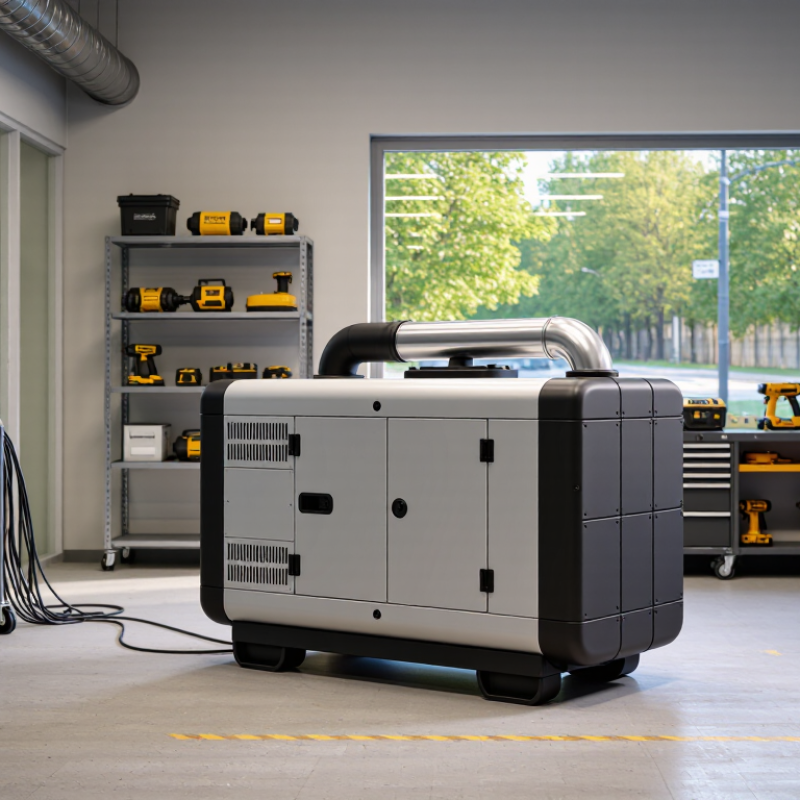
Determine the Required Power Capacity and Load Profile
Before selecting a silent diesel generator set, list every load that must run during an outage. Record each item’s rated kW, power factor, starting method, and operating schedule. A pump may draw far more current at startup than while running. So can a compressor. Separate essential loads from equipment that can wait, then estimate which items may start together.
Use measured demand where possible. A week of power-logger readings can reveal short peaks that monthly bills hide. The International Energy Agency’s Electricity 2024 report estimates data-centre electricity use could reach about 1,000 TWh globally by 2026, nearly double 2022 levels. That forecast is not a generator-sizing rule, but it shows why projected growth belongs in the load profile. Include planned equipment, seasonal demand, and any likely expansion.
Check both kW and kVA, and account for motor inrush, harmonics, and acceptable voltage dips. Ask a qualified electrical engineer to review the calculations against the site’s actual starting sequence. One detail is easy to miss: loads rarely rise neatly together. A generator sized only from nameplate totals may struggle when several motors start at once. Avoid adding a vague safety margin without checking its effect; oversized sets can spend long periods at light load. Revisit the estimate after commissioning. The first calculation may need correcting.
7 Tips for Choosing a Silent Diesel Generator Set - Determine the Required Power Capacity and Load Profile
| Load or sizing factor | Example quantity and profile | Estimated running load | Indicative starting demand | Planning guidance |
| Refrigeration compressors | 4 units; intermittent cycling | 1.5 kW each; 6.0 kW total | About 7.5 kVA per unit, estimated | Check each motor’s nameplate locked-rotor amps (LRA); avoid simultaneous starts where possible. |
| Ventilation fans | 2 units; normally operating together | 2.2 kW each; 4.4 kW total | About 11 kVA per unit, estimated | Record the starting method; soft starters or variable-frequency drives may reduce starting demand. |
| Water pump | 1 unit; starts as required | 5.5 kW | About 30 kVA for direct-on-line starting, estimated | Verify the actual motor data and start the pump after other large motors if the load sequence allows. |
| Lighting | General lighting; expected to remain on | 3.0 kW | Low for many LED systems; confirm driver inrush current | Include all circuits that must operate during an outage. |
| IT and control equipment | Continuous critical load | 2.0 kW | Allow for power-supply inrush; check UPS input requirements | Include any UPS recharge load that may occur after generator transfer. |
| Process equipment | Mixed equipment; assumed to run together | 8.0 kW | Depends on motor, heater, or electronic load type | Use equipment nameplates and operating measurements rather than floor-area estimates. |
| Estimated simultaneous running load | 28.9 kW | Example total assumes all listed loads operate together; adjust for measured demand and operating sequence. |
| Illustrative generator screening size | 40 kW | 50 kVA at 0.8 power factor | Running load is about 72% of 40 kW. Confirm motor-starting performance, voltage dip, altitude, temperature, and site conditions with a qualified supplier. |
| Use these checks before selecting a set: list essential loads; distinguish continuous and intermittent demand; capture motor starting data; identify the largest load that may start while other loads are running; plan a start sequence; and compare the calculated demand with the generator’s applicable standby or prime rating. Starting-demand figures above are illustrative estimates, not substitutes for nameplate data or a site load study. |
Compare Noise Ratings and Sound-Reducing Enclosures
Compare noise ratings measured at the same distance, under similar load, and with the same test method. An open-frame unit rated at seven metres cannot be fairly compared with an enclosed model measured at one metre. Distance changes everything. Look for dB(A) figures and the stated operating condition. A light-load result may not reflect a generator powering pumps or tools.
Sound-reducing enclosures contain engine and exhaust sound. Results depend on panel design, seals, and ventilation. Inspect doors and service panels for gaps, and check whether the published rating includes the enclosure as supplied. Small leaks matter. Confirm that airflow paths remain clear; restricting them can raise temperatures and affect output or service life. Ask for test data, not just a vague “quiet” label.
Compare measurements at the likely installation point, especially near walls that can reflect sound toward a home or work area. Consider nighttime use too. Even a modest rating difference may be hard to notice outdoors, while tonal engine noise can still feel intrusive. That part is easy to overlook. Real sites rarely match test conditions exactly, so compare verified figures alongside the expected load and enclosure details.
Evaluate Engine, Alternator, and Fuel Options
A quiet enclosure cannot compensate for a poorly matched engine. Check whether the set is rated for standby or continuous prime duty, then compare that rating with your real load profile. A workshop with a compressor may need extra engine capacity for frequent starts, not just enough power for its steady running load. Keep a little margin, but avoid oversizing without reason; lightly loaded diesel engines can suffer from inefficient operation and increased maintenance needs. That shortcut is tempting.
The alternator must suit the equipment it will serve. Confirm voltage, frequency, phase, and power factor, then check how well it handles motor-starting surges. A pump may draw much more current for a few seconds than it uses once running. Ask for performance data at the expected load, rather than relying only on the largest kVA figure.
Fuel planning deserves equal attention. Estimate hourly consumption at typical loads, then size the tank for the required run time, with a practical reserve. Storage conditions matter: water or contamination in diesel can cause starting and fuel-system problems. If considering a biodiesel blend, verify that the engine and fuel system are approved for it. One detail is easy to miss: fuel use changes with load, so a full-load figure may not reflect an ordinary workday.
Check Runtime, Emissions, and Site Requirements
Start with the load, not the advertised maximum. List the equipment that will run at the same time, including pumps, lighting, and tools. Compare that demand with the generator’s output at your expected operating load. A runtime figure depends on load, tank size, and maintenance; ask how it was measured. Keep a margin. A fuel plan based on ideal conditions can fall short during a long shift.
Ask for emissions data for the specific generator configuration, then check it against requirements for your location and intended use. Exhaust routing matters as much as the figures on a sheet. Keep outlets away from doors, windows, and air intakes, and make sure fumes cannot collect near workers. Do not assume a quiet enclosure makes exhaust harmless. Paperwork matters.
Measure the installation area before ordering. Allow space for airflow, service access, refueling, and safe exhaust discharge. Check the ground is level and firm, and consider rain, snow, and nearby walls that may reflect noise. Leave room to open service panels. This is easy to overlook. A compact site may still work, but only if the unit can breathe and technicians can reach routine service points. One detail often gets missed: the fuel truck also needs a practical route to the tank.
7 Tips for Choosing a Silent Diesel Generator Set
Check runtime, emissions, noise limits, load requirements, ventilation, access, and maintenance needs before choosing a set.
Runtime example: At an illustrative fuel-use rate of 20 liters per hour, 200, 400, and 600 liters of usable fuel provide approximately 10, 20, and 30 hours of operation. Actual consumption varies with generator size and load; confirm the fuel-use figures for your intended operating conditions and allow for a suitable fuel reserve.
Review Controls, Safety Features, and Service Support
A silent diesel generator may be quiet outside, but its controls still need to be clear and reachable. Look for a readable display that shows operating status, warnings, and service hours without requiring several menu changes. Buttons should be easy to identify, even in dim light or while wearing work gloves. Small details matter. Ask to see the control panel operating, not just a product photo.
Review safety features as part of the complete setup. Check for clearly marked emergency stops, guarded moving parts, and alarms for conditions such as high temperature or low oil pressure. The enclosure should allow routine inspection without encouraging operators to bypass guards. Make sure installation and operation follow the manufacturer’s instructions, especially for ventilation and exhaust routing. A quiet enclosure is not a substitute for safe placement. It is easy to overlook that.
Service support deserves the same scrutiny as the equipment. Ask what routine maintenance involves, which parts need periodic replacement, and how technicians handle fault diagnosis. A written service schedule and accessible parts information can prevent avoidable delays. If remote monitoring is offered, confirm what it reports and who receives alerts. Keep a simple log of operating hours, inspections, and repairs. It may feel tedious, and records can be incomplete, but even imperfect notes help a technician spot a pattern.