What is an Industrial Cutting Table and How Does it Work?
An industrial cutting table is essential in many manufacturing processes. It enhances efficiency in cutting materials like fabric, wood, and plastics. The global demand for cutting tables has surged, driven by industries aiming for precision and speed. According to a recent market report, the industrial cutting machine market is expected to reach $3.5 billion by 2027, reflecting a compound annual growth rate of 4.5%.
Operating an industrial cutting table requires attention to both technology and technique. These tables often feature advanced automation, allowing for consistent and accurate cuts. However, reliance on technology can lead to overconfidence. Mistakes can occur without proper training or oversight. Workers must balance automation with skill to ensure productivity doesn’t compromise quality.
The importance of operator training cannot be overstated. Poorly trained personnel can result in waste and inefficiency. According to industry studies, up to 30% of materials can be wasted due to improper cutting methods. This reality highlights the need for continuous education and improvement in practices related to industrial cutting tables. Understanding both the machine's capabilities and the operator's skills is crucial for optimal operation.

What is an Industrial Cutting Table?
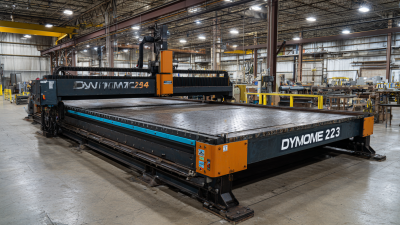
An industrial cutting table is a crucial piece of equipment in various manufacturing sectors. It aids in the precise cutting of materials like textiles, leather, and composites. Typically, these tables are large, durable, and designed for heavy use. According to a recent industry report, the global market for industrial cutting tools is expected to grow by around 5% annually, indicating a rising demand for efficient cutting solutions.
Operationally, an industrial cutting table often incorporates advanced technology. CNC (Computer Numerical Control) systems are commonly used. These systems allow for high precision and reduce human error. A typical cutting table might feature a vacuum system to hold the material in place securely. This enhances accuracy, ensuring that each cut meets the production standards. However, issues like misalignment can still occur, leading to waste.
Modern tables also come equipped with software that helps streamline the cutting process. Data from industry studies show that automation can improve productivity by up to 20%. Yet, reliance on software isn't without challenges. Training staff to operate these systems effectively is essential. Without proper training, the risk of costly mistakes increases, which can affect overall efficiency.
Components of an Industrial Cutting Table
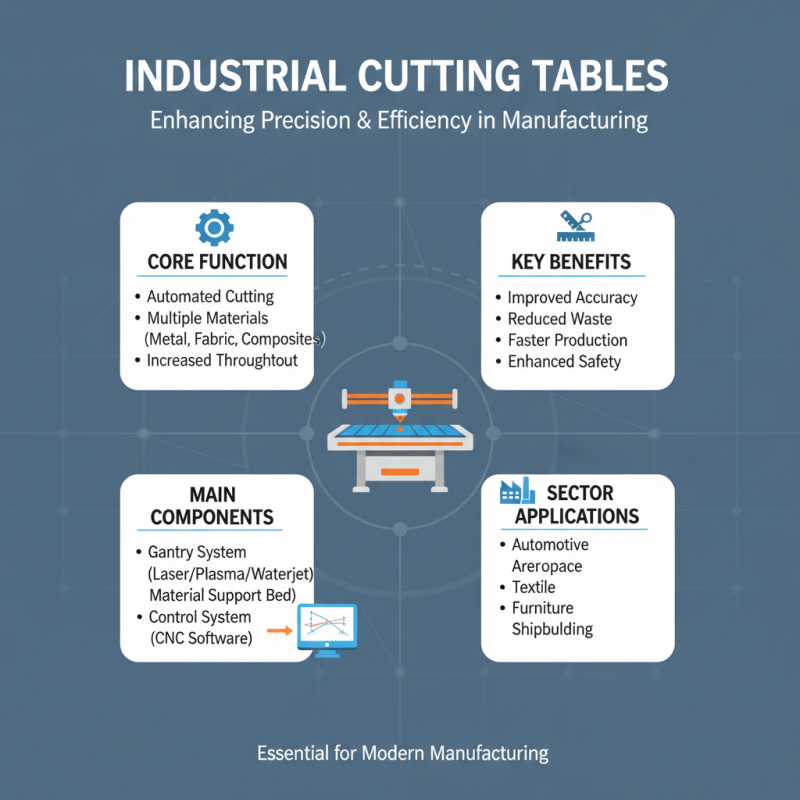
Industrial cutting tables are essential in various manufacturing sectors. They enhance efficiency and precision in cutting processes. These tables consist of several key components that play vital roles in their operation.
A cutting table typically includes a robust frame, which provides stability during heavy-duty tasks. Surfaces are often made of durable materials, such as steel or composite, facilitating smooth cutting. Additionally, many tables feature a vacuum system to hold materials securely in place. This system can boost accuracy and minimize waste. Reports indicate that accurate positioning reduces material usage by about 15%.
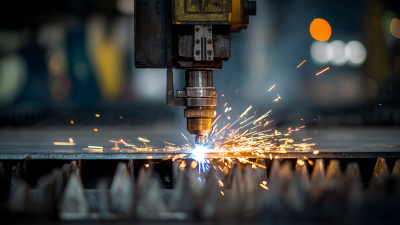
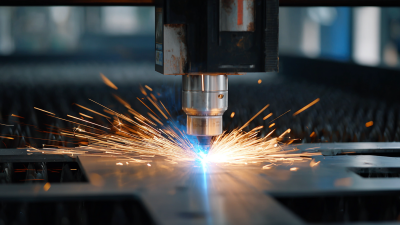
Another important component is the cutting mechanism. This can vary, from blade saws to laser cutters. The choice of cutting tool directly influences the quality of the finished product. For example, laser cutting provides precision but can be expensive to operate. Industry data suggests that firms using advanced cutting technologies see a productivity improvement of 25%.
Moreover, many industrial cutting tables include programmable controls. These allow operators to set parameters for different materials and projects. With digital precision, manufacturers can achieve intricate designs, though the learning curve can be steep. Training operators to utilize these features effectively remains a challenge.
How an Industrial Cutting Table Operates
Industrial cutting tables are essential tools in various industries. They streamline the cutting process, improving efficiency. A typical cutting table features a flat surface where materials are placed. This surface is usually made of sturdy material to withstand pressure. Many tables are equipped with a cutting mechanism, such as blades or lasers.
The operation of an industrial cutting table is quite fascinating. Once materials are loaded, the cutting machine is activated. Users can adjust settings for speed and depth, catering to different materials. Some tables employ advanced technology for precision. A programmed system guides the cutting process, ensuring accuracy. However, users must constantly monitor for errors. Small misalignments can lead to material wastage.
Improper calibration can be a challenge. It requires time and patience to get it right. Users often face a learning curve with new machines. Regular maintenance is needed to keep the equipment in top shape. Dust and debris can affect performance, so cleanliness is crucial. Balancing efficiency and accuracy can be an ongoing struggle in busy environments.
Applications of Industrial Cutting Tables in Various Industries
Industrial cutting tables play a vital role in various sectors. In the textile industry, for instance, they enable precise cutting of fabrics, ensuring minimal waste. According to a report by MarketsandMarkets, the global textile market is projected to reach $1 trillion by 2025. As more companies aim for efficiency, cutting tables help meet this demand. They allow mass production while maintaining quality.
In the furniture industry, cutting tables streamline the process of working with wood and composite materials. Efficient cutting minimizes errors and maximizes output. The International Wood Products Association notes that the US furniture industry alone is worth approximately $114 billion. Yet, many manufacturers still struggle with outdated equipment. This disparity can hinder growth.
Even in the automotive sector, these tables contribute significantly. They support the accurate cutting of materials used for upholstery and interior design. Data from the Automotive Industry Action Group highlights that effective manufacturing practices can reduce costs by 15%. However, many companies hesitate to invest in advanced cutting technology. The gap between potential savings and current practices presents a challenge that needs addressing.
What is an Industrial Cutting Table and How Does it Work?
| Industry |
Common Applications |
Material Types |
Cutting Techniques |
Benefits |
| Textile |
Garment cutting, fabric layout |
Cotton, polyester, wool |
Laser cutting, knife cutting |
High precision, mass production |
| Woodworking |
Furniture components, cabinetry |
Plywood, MDF, solid wood |
CNC routing, band saw |
Efficiency, waste reduction |
| Metalworking |
Sheet metal fabrication, part production |
Aluminum, steel, brass |
Plasma cutting, water jet cutting |
Durability, high accuracy |
| Automotive |
Body panels, interior components |
Steel, plastic, composites |
Laser cutting, stamping |
Speed, automation |
| Construction |
Wall panels, roofing materials |
Drywall, insulation, metal frames |
Circular saw, table saw |
Customization, precise dimensions |
Benefits of Using an Industrial Cutting Table for Production
Industrial cutting tables play a crucial role in production processes. They provide a stable, flat surface for cutting various materials. This stability helps reduce errors and improves overall accuracy. With the right setup, users can achieve precise cuts every time. This is especially important in sectors like textiles and woodworking.
Precision impacts product quality and customer satisfaction directly.
One key benefit of using an industrial cutting table is efficiency. These tables often have integrated features such as measurements and guides. This aids operators in executing cuts quickly and correctly. However, misalignment still happens from time to time.
Mistakes can lead to waste and frustrations. Fine-tuning the setup is necessary to minimize these issues.
Additionally, industrial cutting tables enhance safety. Operators can work from a fixed position, reducing the risk of injury. But safety measures must still be followed closely. Regular training and updates on best practices can help. In some cases, workers might skip important steps, which can be dangerous.
Maintaining a culture of safety is essential for effective production.