What is Electric Resistance Heating Pipe and Its Benefits?
Electric Resistance Heating Pipe is a powerful tool for efficient heating. This technology converts electrical energy into heat through resistance. Unlike traditional heating methods, it provides targeted warmth where it is needed most.
Using Electric Resistance Heating Pipes can reduce energy consumption significantly. These pipes heat up quickly, offering instant warmth. They are often used in residential and industrial applications, ensuring comfort and safety. Furthermore, they can be adapted to various requirements, making them versatile.
However, installation can sometimes be complex. It is essential to seek expert advice to avoid issues. Regular maintenance is crucial to ensure optimal performance. While Electric Resistance Heating Pipes offer many benefits, proper usage and care are vital for longevity.
What is an Electric Resistance Heating Pipe?
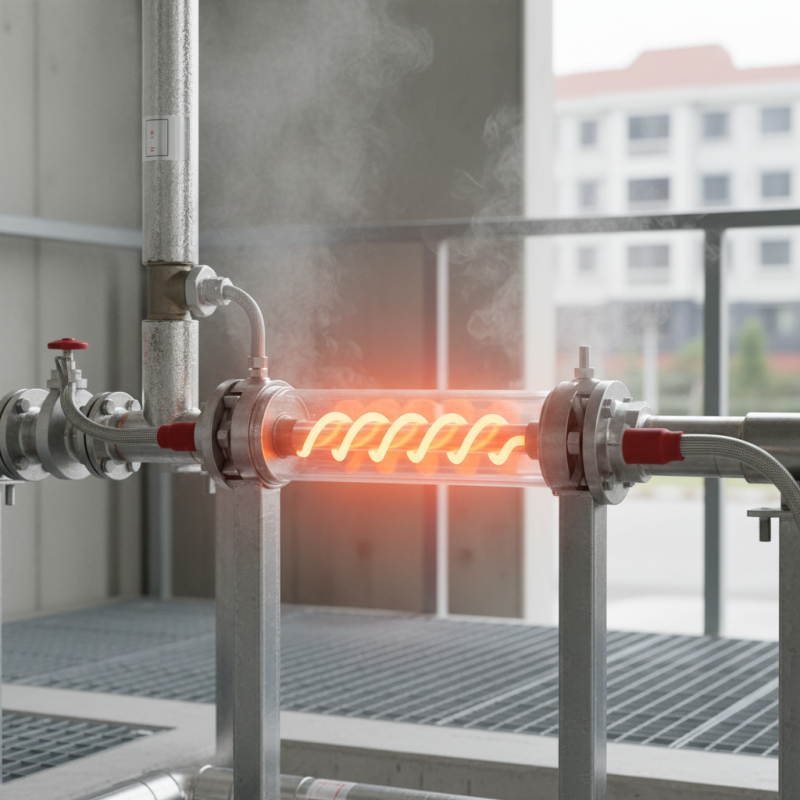
Electric resistance heating pipes are vital in various heating applications. These pipes operate by converting electrical energy into heat through resistance. When electric current passes through the wire, it heats up. This heat is then transferred to the surrounding material. A recent report from the International Energy Agency highlighted that electric resistance heating is increasingly favored for its energy efficiency. In many instances, it can provide up to 95% efficiency, depending on the application.
The installation of electric resistance heating pipes offers numerous benefits. They provide rapid heat transfer, making them ideal for situations requiring quick heating. Their design allows for uniform temperature distribution. According to a study published in the Journal of Cleaner Production, such systems can reduce energy costs significantly in residential and commercial settings over time. However, it’s essential to consider the energy sources that power these systems. If the electricity comes from non-renewable resources, the overall environmental impact may not be as positive.
Despite their advantages, there are some drawbacks to electric resistance heating pipes. Installation and operational costs can be relatively high. Maintenance is necessary to ensure efficiency and longevity. The heat generated can also result in high ambient temperatures in some settings, requiring careful temperature management. Careful consideration is crucial when selecting heating solutions, ensuring they align with energy goals and sustainability practices.
Principles of Electric Resistance Heating Technology
Electric resistance heating is an essential technology used in various applications, from industrial settings to residential heating. This method relies on the principle of converting electrical energy into heat through resistance in the heating element. When current passes through the wire or conductor, it encounters resistance, generating heat. This is a direct method of heating, making it efficient for zone heating.
Studies indicate that electric resistance heating can have notable advantages. A report from the U.S. Department of Energy highlights that it can provide up to 100% efficiency in energy conversion. This means virtually all energy consumed is transformed into heat, leading to lower operational costs in certain situations. Furthermore, electric resistance heating systems are relatively simple and have fewer moving parts, which reduces maintenance needs and enhances reliability.
Tip: When considering electric resistance heating, assess the insulation of your space. Proper insulation can further improve heating efficiency and reduce energy costs.
While the technology has benefits, there are areas for improvement. Many installations may not be optimized for energy usage. For example, older systems often struggle with control precision. Regular upgrades to components can enhance performance significantly. Additionally, understanding local electricity rates is crucial. High rates can negate some of the energy efficiency gains, making the choice of heating technology a critical decision.
What is Electric Resistance Heating Pipe and Its Benefits?
| Feature | Description | Benefits |
| Heating Consistency | Provides even heat distribution across the pipe | Ensures uniform heating, reducing hot spots and improving efficiency |
| Energy Efficiency | Uses electrical energy to generate heat directly in the pipe | Lower energy costs and reduced wastage of energy |
| Installation Flexibility | Can be installed in various settings, including residential and industrial | Versatile application across multiple environments |
| Temperature Control | Allows for precise control over heating levels | Enhances safety and energy management |
| Low Maintenance | Robust design with minimal moving parts | Reduces downtime and maintenance costs |
Common Applications of Electric Resistance Heating Pipes
Electric resistance heating pipes are widely used in various applications. These pipes generate heat through electrical resistance, making them effective for heating tasks in different settings. One common application is in residential heating systems. Homeowners often install these pipes in floors or walls to provide radiant heat. This can enhance comfort levels during cold months.
Another area where electric resistance heating pipes excel is in industrial processes. Factories use these systems to maintain specific temperatures in manufacturing lines. For example, they help in drying and curing materials. The precision of electric resistance heating allows for better quality control in production.
However, it's worth noting that electric resistance heating can have high operational costs. Users should evaluate energy efficiency before installation. Not all environments may benefit equally from these systems. Each application involves considerations of power supply and insulation. Therefore, seeking expert advice is crucial for optimal performance and reliability.
Benefits of Using Electric Resistance Heating Pipes
Electric resistance heating pipes are an effective solution for many heating needs. They work by converting electrical energy into heat, which is then distributed through the pipes. This method delivers warm air or water to various spaces efficiently. Many industries appreciate this technology due to its straightforward installation and low maintenance.
One major benefit of electric resistance heating pipes is their energy efficiency. They provide heat on-demand. Users only consume energy when needed. This feature can lead to lower utility bills, appealing to both residential and commercial spaces. Moreover, they are safe, minimizing the risk of combustion, unlike traditional heating systems.
Reliability is another advantage. These systems operate effectively even in extreme weather. However, potential users should be aware of their dependence on a stable electricity supply. In regions prone to outages, this could be a consideration. Overall, electric resistance heating pipes present a solid heating option with notable benefits.
Benefits of Electric Resistance Heating Pipes
The chart above illustrates the key benefits of using electric resistance heating pipes. As shown, energy efficiency is the most significant advantage, followed by cost effectiveness and ease of installation. These factors contribute to the overall attractiveness of electric resistance heating solutions in various applications.
Maintenance and Safety Considerations for Electric Heating Systems
Electric resistance heating pipes are known for their efficiency and effectiveness in providing warmth. However, maintaining electric heating systems is crucial for safety and longevity. Regular inspections can identify potential issues before they become serious problems.
Ensuring proper installation is critical. Every connection should be secure. Incorrect setups could lead to overheating or electrical failures. Before any maintenance, always turn off the power. This simple step can prevent accidents.
Tips: Clean the heating pipes regularly to remove dust and debris. This can improve efficiency. Additionally, monitor the temperature closely. An unexpected spike may indicate a malfunction.
Occasionally, check the insulation surrounding the pipes. Damaged or outdated insulation can decrease efficiency and increase energy costs. Keeping everything in good condition will help ensure safe operation. Regular updates and proactive checks foster a dependable heating environment.