How to Choose the Right Cast Nylon Pipe for Your Needs?
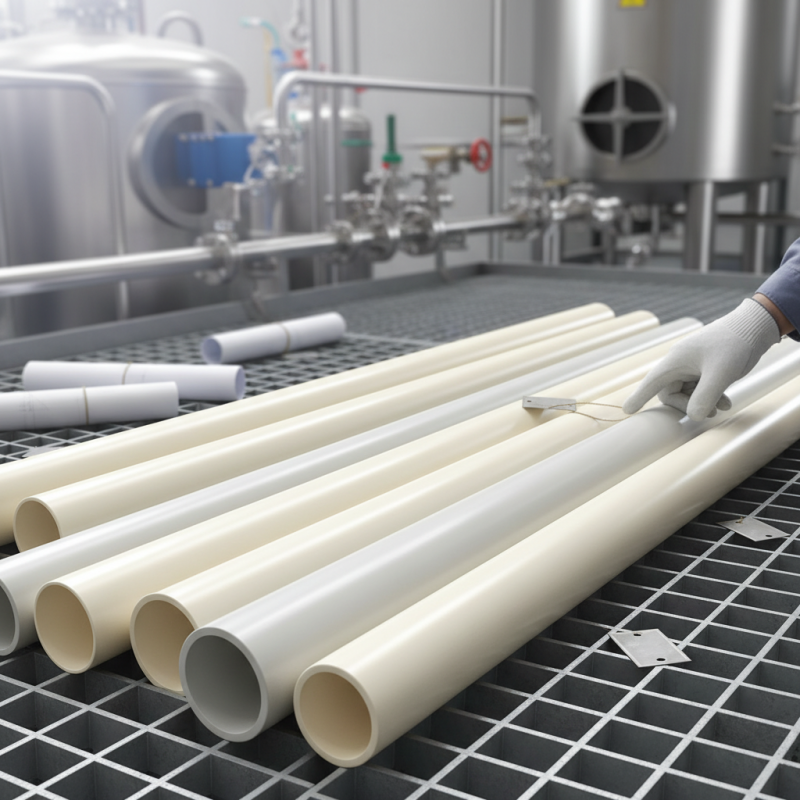
Choosing the right Cast Nylon Pipe is crucial for your projects. These pipes possess excellent wear resistance and can handle various chemicals. They are also lightweight, making installation easier. However, not all Cast Nylon Pipes are suitable for every application.
Understanding your specific needs is vital. Factors like temperature, pressure, and the nature of the materials being transported all play a significant role. For instance, a pipe that works well in one environment may fail in another. It's essential to consider these details carefully.
Additionally, while Cast Nylon Pipes are durable, they can be more expensive than other materials. Weighing the cost against expected longevity and performance is essential for making an informed decision. Reflecting on past experiences may also guide your choice. Ultimately, the right Cast Nylon Pipe can enhance efficiency and reduce maintenance costs in the long run.
Understanding the Characteristics of Cast Nylon Pipe
Understanding the characteristics of cast nylon pipe is crucial for selecting the right option for your application. Cast nylon pipes boast high strength, excellent wear resistance, and good chemical stability. These features make them suitable for various industries, including automotive, marine, and manufacturing. Their unique composition allows them to handle heavy loads while maintaining flexibility.
Tips: When you're evaluating cast nylon pipe, consider its mechanical properties, like tensile strength and impact resistance. Examine how it performs under different temperatures and stress. This information helps you make an informed choice. Also, be aware of the potential for surface imperfections, as they might affect the pipe's longevity.
Additionally, not all cast nylon pipes are created equal. Some may have variations in density and thickness that directly influence performance. Always assess the specific requirements of your project. If unsure, seek advice from experts in the field. Their knowledge can help avoid costly mistakes and enhance project outcomes.
Evaluating Application Requirements for Cast Nylon Pipe
When selecting the right cast nylon pipe, it's essential to evaluate your application requirements thoroughly. Understanding the environment where the pipe will be installed is crucial. Factors like temperature, pressure, and chemical exposure can significantly impact the performance of cast nylon.
Tips: Check the maximum temperature rating and chemical resistance for your specific needs. It’s often beneficial to consult with experts in the field when facing uncertainties.
Another aspect to consider is the mechanical properties of the pipe, such as tensile strength and flexibility. Different applications may require different levels of durability. A heavy-duty application demands a pipe that can withstand substantial stress, while lighter uses may not need such robustness.
Tips: Don’t overlook the importance of installation methods and maintenance. Poor installation can lead to failures, even with high-quality materials. Consider seeking professional advice for best practices.
Consider future needs, too. Will your application require changes, or will it evolve? Anticipating these shifts can enhance your investment in cast nylon. It's essential not to just think about the immediate solution but also the long-term implications.
Comparing Different Grades of Cast Nylon Pipe
When selecting cast nylon pipes, it's crucial to understand the various grades available. Each grade has unique properties and applications. For instance, Grade 6 cast nylon is known for its excellent wear resistance and low friction, making it ideal for conveyor systems. In contrast, Grade 12 offers superior strength and impact resistance, suitable for high-stress environments.
Recent industry reports indicate that cast nylon pipes can handle temperatures up to 200°C depending on grade. The tensile strength of these pipes varies widely. Grade 6 can reach up to 70 MPa, while Grade 12 can exceed 90 MPa. These specifications can significantly impact performance when selecting the right grade for specific applications.
It's important to consider long-term performance as well. Cast nylon pipes may face wear and deformation over time. Some users report challenges in maintaining optimal performance due to environmental factors. Regular assessments help in identifying potential issues early, preventing costly downtime. Choosing the right grade involves weighing the specific requirements against these performance variables. Each project's needs can lead to different optimal choices.
How to Choose the Right Cast Nylon Pipe for Your Needs?
| Grade | Tensile Strength (MPa) | Flexural Strength (MPa) | Impact Strength (kJ/m²) | Temperature Resistance (°C) | Application |
| Nylon 6 | 60 - 80 | 90 - 120 | 5 - 7 | -40 to 80 | General Usage |
| Nylon 66 | 90 - 100 | 130 - 160 | 3 - 5 | -40 to 100 | High Strength Applications |
| Filled Nylon | 80 - 100 | 100 - 130 | 7 - 10 | -40 to 90 | Wear-Resistant Applications |
| Polyamide 12 | 50 - 70 | 80 - 100 | 6 - 8 | -50 to 80 | Chemical Resistance Applications |
| Heat-Resistant Nylon | 70 - 90 | 110 - 140 | 4 - 6 | -40 to 120 | High Temperature Applications |
Assessing Environmental Factors Affecting Choice
When selecting cast nylon pipes, environmental factors play a critical role. Temperature fluctuations can significantly impact pipe performance. Extreme heat may lead to warping, while severe cold can make the material brittle. It's crucial to analyze the temperature range in which the pipes will operate. Consider factors such as humidity and exposure to chemicals as well. These elements can erode pipe integrity over time.
Evaluating the surrounding environment is vital. If pipes are subjected to sunlight, UV degradation may occur. This leads to diminished strength and lifespan. Another aspect to think about is the presence of abrasive materials. These can cause wearing down of the pipe walls, resulting in leaks and failures. It’s important to assess how the environment interacts with the selected materials.
Unfortunately, many overlook these crucial details. They may rush the decision without thorough analysis, leading to premature pipe failure. Understanding the environment ensures the longevity and reliability of cast nylon pipes. Conducting research and gathering insights from experts can guide these decisions effectively.
Cost Considerations When Selecting Cast Nylon Pipe
When selecting cast nylon pipe, cost is a crucial factor. The price can vary widely based on material quality, thickness, and size. High-quality cast nylon pipes may cost more upfront. However, they often provide better longevity and performance. This can lead to savings in the long run due to reduced maintenance and replacement costs.
Consider your specific needs. Short-term projects might benefit from less expensive options. But for long-term applications, investing in a more reliable product may be wiser. Think about potential waste and downtime from using cheaper materials. In some cases, a lower initial investment can lead to greater expenses later.
Evaluate your budget versus performance requirements. It’s important to balance these elements thoughtfully. Sometimes, the most cost-effective choice may not be the lowest price. Reflect on your project’s demands and the potential impact of the pipe on overall functionality. Quality matters significantly over time, providing reliable performance and minimizing unexpected costs.