
How to Choose a Soft Lamination Machine in 2026?
Choosing a Soft Lamination Machine in 2026 requires more than comparing speed, price, and polished brochures. The right machine must match your films, adhesives, production volume, operators, and quality targets. A small converter may need stable tension control more than extreme running speed. A large plant may prioritize automation, recipe storage, and fast changeovers. The decision begins beside the production line, where wrinkles, bubbles, and adhesive marks become costly realities.
Dr. Susan E. M. Selke, a respected packaging scholar, has stated, “Packaging decisions should be judged by the whole system, not one impressive specification.” That principle applies directly to every Soft Lamination Machine purchase. Examine coating accuracy, drying performance, web handling, curing requirements, energy consumption, and after-sales support. Ask suppliers for trial results using your actual films. Request measurable data, not only attractive claims. Watch how easily operators clean the adhesive path. Notice the machine’s noise, access points, and control-screen clarity.
No checklist is perfect. I have seen buyers focus heavily on maximum speed, then struggle with unstable tension at normal speed. That mistake is easy to make. A slower machine with dependable output may deliver better margins. Buyers should also question optimistic payback calculations, especially when labor, maintenance, waste, and downtime are excluded. In 2026, the strongest choice will not always be the most advanced model. It will be the Soft Lamination Machine that performs consistently on your materials, supports your team, and remains serviceable after installation. A careful decision may feel slower today, but production problems rarely wait.
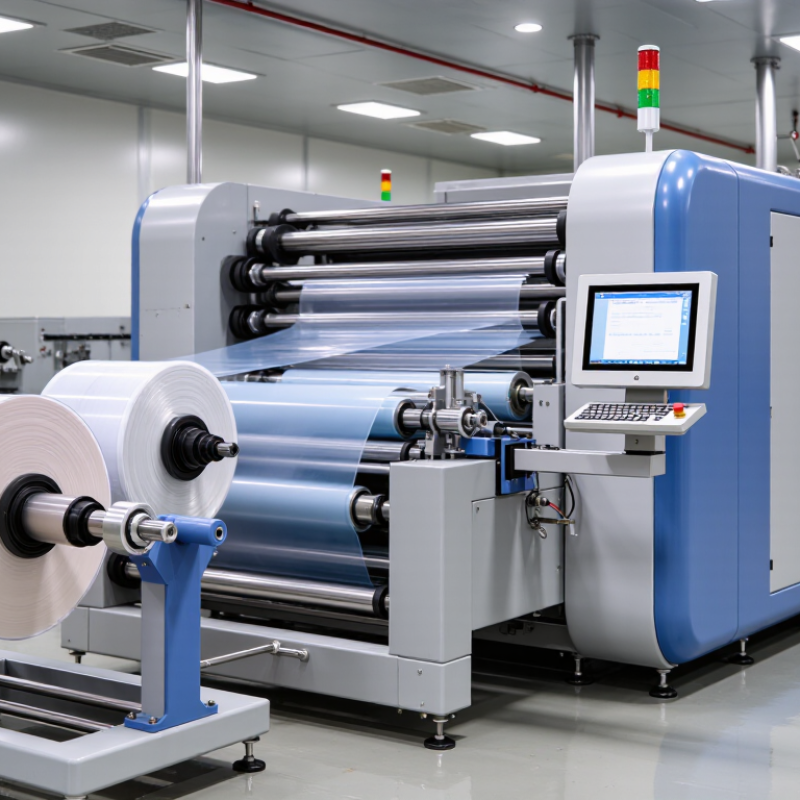
What Is a Soft Lamination Machine and How Does It Work?
A soft lamination machine applies a flexible protective film to printed materials. It can improve resistance to moisture, fingerprints, light scratches, and repeated handling. Unlike rigid laminating systems, it is designed for flexible films and substrates that must remain easy to bend.
The process is simple but sensitive. The operator feeds the print and film between heated or unheated rollers. Pressure bonds the layers, while controlled temperature activates the adhesive on thermal film. Cold films rely mainly on pressure-sensitive adhesive. Tension controls keep the film flat and reduce wrinkles. A cooling section helps stabilize the laminated sheet before trimming.
I have found that film compatibility matters more than advertised speed. Check the machine’s working width, roller pressure range, temperature control, and supported film thickness. Ask for a sample test with your actual paper, ink, and finish. Glossy prints may reveal bubbles quickly. Textured paper can require different pressure. Keep the rollers clean and inspect them often; a small adhesive mark can create repeated defects. Higher speed is not always better. A slower setting may produce cleaner edges and fewer alignment problems. I still leave room for adjustment, because humidity, paper curl, and operator technique can change the result. Choose clear controls, accessible maintenance points, and reliable safety features rather than chasing maximum output.

How to Choose a Soft Lamination Machine in 2026?
A soft lamination machine bonds flexible substrates such as plastic films, paper, and aluminum foil through adhesive coating and a controlled pressure nip. The most suitable machine depends on the adhesive system, required web speed, substrate sensitivity, coating accuracy, curing method, and production volume.
Typical Web-Speed Ranges by Adhesive System
The chart shows commonly used reference ranges for flexible-packaging lamination. Actual speed depends on adhesive chemistry, coating weight, drying or curing capacity, substrate structure, and machine configuration.
Which Materials and Lamination Formats Must It Handle?
Choosing a soft lamination machine in 2026 starts with its material range, not its advertised speed. It should process PET, BOPP, CPP, PE, paper, aluminium foil, and metallised films without unstable tension. Smithers’ flexible packaging outlook forecasts the global market will exceed $300 billion by 2028. That growth increases demand for thinner films and recyclable structures. Thin webs expose every weakness.
Check the machine’s real format capability. Ask for proven performance with duplex and triplex laminates, narrow reels, wide webs, and short production runs. It should support accurate coating weights, typically around 1.0–2.5 g/m² for many solventless applications. It also needs controlled unwind, nip pressure, web alignment, and curing conditions. FINAT’s recycling guidance repeatedly highlights the importance of compatible material structures. A machine that handles only standard film combinations may age quickly. I have seen impressive specifications fail during changeovers. Testing matters more than brochures.
Tips: Request trial runs using your actual films, ink coverage, reel widths, and adhesive. Measure bond strength, curl, blocking, appearance, and waste. Confirm maximum and minimum web widths. Check whether the operator can adjust tension without stopping production. Also inspect data logging and alarm records. These details seem minor. They are not. A practical weakness remains: one machine rarely performs every format equally well, especially with light paper or very thin PE.
How to Compare Heating, Pressure, Speed, and Control Systems
Choosing a soft lamination machine in 2026 requires more than comparing catalog specifications. Smithers’ The Future of Flexible Packaging to 2028 forecasts approximately 4% annual market growth. That growth increases pressure on converters to reduce waste while protecting delicate films, fabrics, and coated papers. In practical trials, heating stability should come first. A useful machine should maintain an even temperature across the working width, not merely display a high maximum value. Uneven heat can create bubbles, curl, or weak bonding.
Pressure needs careful testing. Excessive nip pressure may flatten soft substrates or squeeze adhesive from the edges. Insufficient pressure leaves channels and inconsistent bonding. I prefer machines with adjustable pressure and clear gauge readings. Speed should match the material, adhesive, and cooling time. Grand View Research projects the flexible packaging market to grow at about 4.7% annually from 2024 to 2030. Faster production matters, but speed without stable curing can increase rejected rolls.
Control systems deserve close attention. Automatic temperature correction, pressure feedback, recipe storage, and alarm records improve repeatability. The operator should still adjust settings easily. Too much automation can hide a developing problem. During one trial, a small sensor offset produced acceptable samples at low speed but poor edges at higher speed. That result was inconvenient, yet useful. Compare machines using identical materials, record actual temperature and pressure, then inspect bond strength, wrinkles, and edge finish after cooling.
What Safety, Maintenance, and Energy Features Should You Check?
Choosing a soft lamination machine in 2026 requires more than checking film width or pressure. In daily production, safety controls often matter more than speed. Look for guarded rollers, an accessible emergency stop, and sensors that halt movement when covers open. A stable frame also reduces sudden shifts. Check electrical protection, heat insulation, and clear operating instructions. These details help prevent burns, pinched fingers, and avoidable downtime. Small safeguards matter.
Maintenance features should be visible, not hidden in sales language. Choose a machine with tool-free access to rollers, replaceable wear parts, and simple cleaning points. Dust and adhesive residue can create uneven pressure and weak edges. Ask whether the manual gives inspection intervals, lubrication guidance, and fault codes. I would request a demonstration after continuous operation. Noise, vibration, or rising surface temperature may reveal problems early. Still, manuals can oversimplify real workshops. Record actual cleaning time and film waste before deciding.
Energy performance deserves careful measurement. A standby mode, insulated heating area, and adjustable temperature controls can reduce unnecessary consumption. Rated power alone is not enough; compare energy used per finished sheet. Confirm whether the machine recovers quickly after idle periods. Efficient operation should not weaken bonding quality. Ask for test data, service records, and electrical requirements from the seller. Independent verification is better than optimistic claims. Staff training also affects energy use, because repeated reheating often comes from poor setup. Check twice.
How to Match Machine Capacity, Budget, and Future Production Needs
How to Choose a Soft Lamination Machine in 2026?
Choosing a soft lamination machine starts with production reality, not the advertised maximum speed.
Record weekly output, peak orders, material widths, and average job sizes.
Then measure your busiest shift.
A machine rated for 15 meters per minute may deliver less with thicker film, frequent adjustments, or careful alignment.
Leave 20% to 30% capacity headroom. Do not size for today alone.
Budgeting requires more than the purchase price.
Include installation, operator training, electricity, rollers, replacement parts, and routine cleaning.
A cheaper machine can become expensive when setup takes longer or waste increases.
Check whether one trained operator can load film, adjust pressure, and monitor temperature safely.
Ask for sample runs using your actual materials. Product sheets rarely show every limitation.
Future planning should remain practical.
If your orders may grow, choose flexible width control, adjustable speed, and compatible film options.
However, buying excessive capacity can freeze cash and leave valuable floor space unused.
My first capacity estimate would be too optimistic without checking seasonal demand and staff availability.
Review your forecast honestly.
A small workshop may need simple controls more than advanced automation, while a growing production line may require data tracking and faster changeovers.
Test the machine under realistic conditions before committing.

