Why Choose Screw Type Terminal Blocks for Your Electrical Needs?
In the vast world of electrical components, choosing the right parts is essential. Screw-Type Terminal Blocks stand out due to their reliability and functionality. These blocks provide secure connections for wires, ensuring minimal risk of errors. Every electrical project gains strength with dependable components.
The design of Screw-Type Terminal Blocks allows for easy installation and maintenance. Electricians appreciate their straightforward design. This type of terminal block requires simple tools, making it accessible for many users. Still, novice users may face challenges with proper torque settings. Mismanagement can lead to connection failures, which can have serious repercussions.
Experts recommend using Screw-Type Terminal Blocks for various applications. They are suitable for both residential and commercial settings. With their strong grip and versatility, these blocks accommodate different wire sizes. Users should evaluate their specific needs before making a decision. Understanding the unique features of each type will lead to better outcomes. A careful approach can prevent costly mistakes.
Understanding the Basics of Screw Type Terminal Blocks
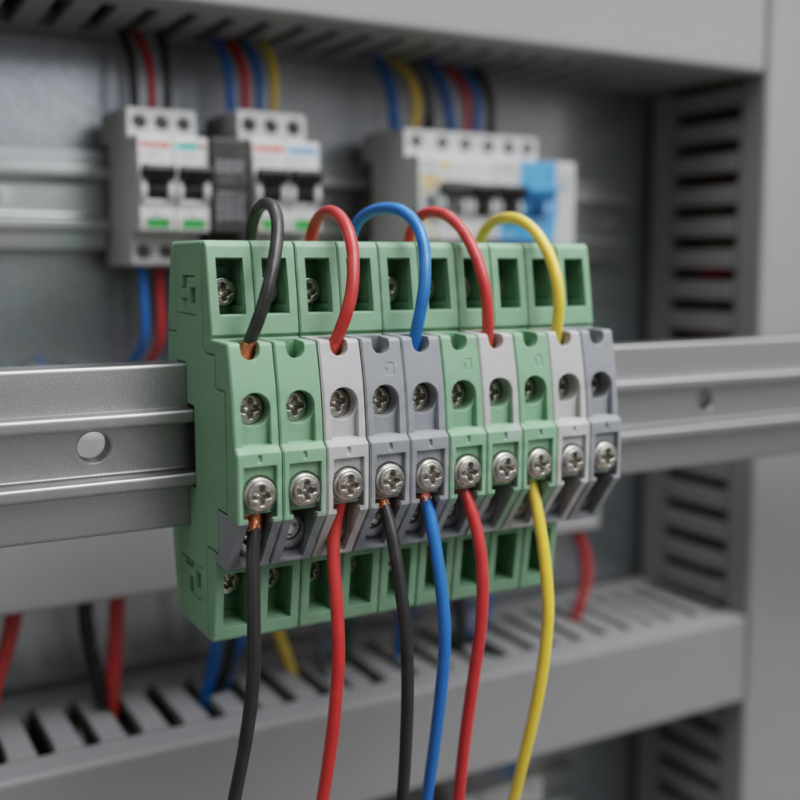
Screw type terminal blocks are essential connectors in modern electrical systems. They provide a reliable method for securing wires, making them popular in various applications. The basic design is simple yet effective. Each block has screw terminals that grip the wire firmly. This creates a solid electrical connection, minimizing the risk of accidental disconnections.
Using screw type terminal blocks is straightforward. You strip the wire insulation, insert the wire into the block, and tighten the screw. It's a familiar process for many electricians. However, it can be tricky for beginners. Ensuring proper torque is crucial; too loose can lead to failures, while over-tightening can damage the wires. Learning the right balance takes experience.
These blocks come in various sizes and configurations, suitable for different gauges and types of wires. They can be panel mounted or designed for specific environments. However, not every situation calls for screw type terminal blocks. In some cases, quick connect or push-in terminals might be better. Understanding these nuances enhances decision-making. Knowing when to stick with tradition and when to adapt is key in electrical work.
Advantages of Using Screw Type Terminal Blocks in Electrical Applications
Screw type terminal blocks have become a popular choice in electrical applications due to their reliability and ease of use. According to industry reports, they account for over 35% of the terminal block market due to their robust design and secure connections. These blocks are particularly advantageous in environments where vibration and movement may be present. The ability to tighten connections with screws ensures a reliable electrical flow, reducing the risk of failures.
Additionally, screw type terminals can handle a wider range of wire sizes and types. This flexibility is crucial in diverse applications, from industrial machinery to residential installations. Studies indicate that utilizing these blocks can minimize downtime caused by electrical issues, ultimately saving costs. They also provide the assurance of easy maintenance, which can be vital in emergency situations.
Tips: Always ensure that screw connections are adequately tightened. Loose connections can lead to arcing and significant safety hazards. Consider the environmental factors of your application. A terminal block's performance may vary based on temperature and humidity. Regular inspections are essential for maintaining electrical integrity.
Comparison of Screw Type vs. Other Terminal Block Types
When assessing screw-type terminal blocks, it’s essential to compare them with other terminal block types. Screw-type terminal blocks are known for their reliability and robust connections. They secure wires with screws, providing a strong grip that minimizes the risk of accidental disconnections. This feature is especially beneficial in environments with vibrations, where other connection types might fail.
On the other hand, spring-loaded terminal blocks offer quick connections. They use a spring mechanism that allows for easy insertion of wires. However, this convenience can result in a weaker connection over time. In higher vibration settings, the reliability of screw-type blocks often proves superior. People sometimes overlook the maintenance aspect of these connections. Loose screws can lead to failures, requiring periodic checks. While screw-type blocks require this extra attention, their ability to handle heavy loads often outweighs this drawback for many users. Reliability in critical applications ultimately comes down to understanding the environment where the terminal will function.
Why Choose Screw Type Terminal Blocks for Your Electrical Needs?
Installation and Maintenance Tips for Screw Type Terminal Blocks
Screw type terminal blocks are popular in electrical installations due to their reliability and versatility. When installing these components, careful attention can significantly enhance performance. It is crucial to choose the right size terminal block for your wiring gauge. Oversized blocks can lead to poor connections, while undersized blocks may cause overheating.
Make sure to tighten screws properly. Loose screws can cause intermittent connections, leading to electrical failures. A torque screwdriver can help ensure you apply the correct force. Also, consider using a dielectric grease on terminals to prevent corrosion. This small step can extend the life of your connections.
Maintenance is equally important. Regularly inspect the connections for signs of wear or damage. Look for discoloration or loose connections. Corroded terminals should be cleaned promptly to maintain efficiency. Remember, proactive maintenance helps avoid unexpected failures in the long run. Taking these steps will ensure that your screw type terminal blocks perform optimally in your electrical systems.
Why Choose Screw Type Terminal Blocks for Your Electrical Needs? - Installation and Maintenance Tips for Screw Type Terminal Blocks
| Feature | Description | Advantages | Maintenance Tips |
| Ease of Use | Screw type terminal blocks allow for simple wire connections. | No special tools required to connect or disconnect wires. | Regularly check screws for tightness to avoid loose connections. |
| Durability | Made from robust materials to withstand rugged conditions. | Long lifespan with proper use and maintenance. | Clean terminals periodically to prevent corrosion. |
| Versatility | Applicable to a wide range of wiring configurations and voltages. | Flexible for various electrical projects. | Ensure compatibility with wire gauge and current ratings. |
| Safety | Provides secure connections that reduce the risk of electrical faults. | Lower risk of short circuits and fires. | Inspect for wear and replace as necessary for safety. |
| Accessibility | Easily accessible for maintenance and troubleshooting. | Simplifies the process of repairs and modifications. | Document changes for future reference and repairs. |
Common Applications and Industries Utilizing Screw Type Terminal Blocks
Screw type terminal blocks are widely used in numerous industries due to their reliability and ease of use. These components effectively connect wire conductors while providing a stable electrical connection. You'll find them in industrial automation, telecom systems, and even renewable energy solutions. In each application, they ensure secure and efficient energy distribution.
In the manufacturing sector, for instance, screw type terminal blocks are essential in controlling machinery. They can withstand vibrations from operations and maintain connections under stress. Another common application is in building automation systems. Here, they organize wiring for HVAC, lighting controls, and security systems, making installations safer and more efficient.
While screw type terminal blocks are versatile, users often overlook proper torque levels when tightening screws. If not done correctly, connections may become loose over time. This can lead to potential failures and require maintenance. Therefore, attention must be paid during installation. Balancing efficiency, ease of installation, and maintenance requirements is crucial to maximize their effectiveness across various applications.