Why Choose Pressure Measuring Coupling for Accurate Readings?
In the realm of industrial applications, precision is paramount. Pressure Measuring Couplings have emerged as essential tools for accurate pressure readings. According to a report by MarketsandMarkets, the global pressure sensor market is projected to reach $13.2 billion by 2026, highlighting the increasing reliance on precision measurement technologies.
These couplings facilitate seamless integration into various systems, ensuring reliable performance even under extreme conditions. With advancements in materials and technology, their reliability has improved significantly. This improvement enhances the accuracy of pressure measurements, crucial in sectors like oil and gas, pharmaceuticals, and manufacturing.
However, some users may overlook the importance of regular calibration. While Pressure Measuring Couplings are robust, neglecting maintenance can lead to inaccuracies. Ensuring these devices function correctly is not merely a choice; it directly impacts operational safety and efficiency. Hence, it is vital to understand their significance in precision measurement systems.
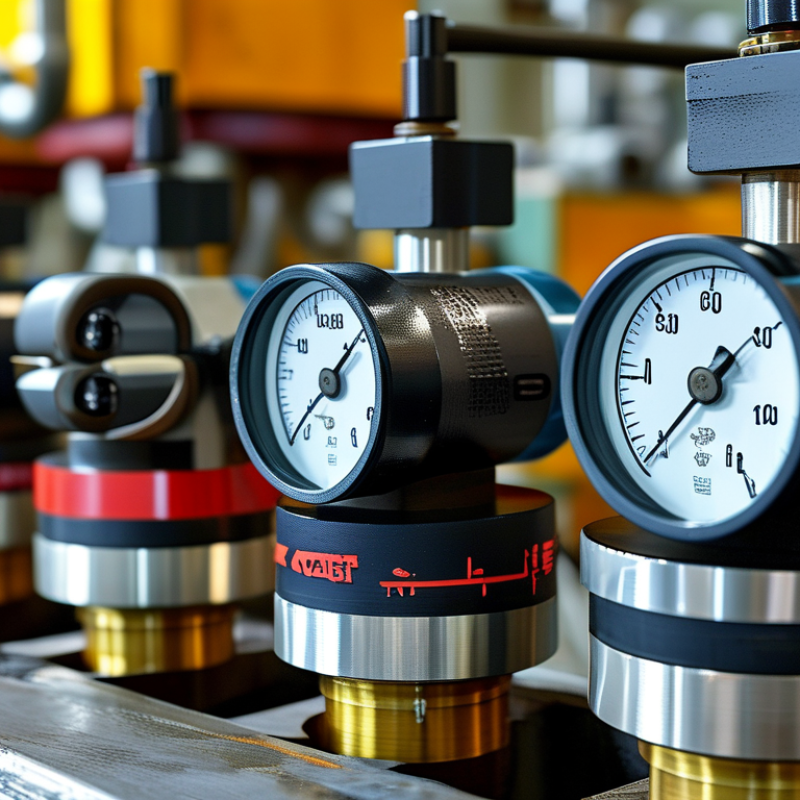
Understanding Pressure Measuring Couplings and Their Applications
Pressure measuring couplings are critical components in many industries. These devices ensure accurate readings of fluid or gas pressures in various systems. Their applications span across manufacturing, automotive, and aerospace sectors. Understanding how these couplings work helps in achieving reliability in pressure measurement.
The construction of a pressure measuring coupling typically includes a diaphragm or a pressure transducer. These components convert pressure into an electrical signal. This signal then provides precise data for monitoring and control. Accuracy is vital; even a slight error can lead to significant problems in operations. Regular calibration and maintenance are essential. Users often overlook this, which can result in misreadings.
Choosing the right pressure measuring coupling involves understanding specific operational needs. Factors like temperature, pressure range, and environmental conditions play a role. An ill-suited coupling might not withstand harsh conditions, leading to failures. It is crucial to assess all aspects thoroughly. Ignoring these details can cause unnecessary downtime and costs. Investing time to comprehend these couplings ensures optimal performance in pressure applications.
The Importance of Accurate Readings in Pressure Measurement
Accurate readings in pressure measurement are crucial for various industrial applications. Poor measurements can lead to significant errors. These errors might result in equipment failure or safety hazards. Even slight inaccuracies can cause material wastage. In high-stakes environments, the cost of mistakes can be astronomical. It’s essential to rely on devices that provide reliable data.
Pressure Measuring Couplings stand out for their precision. They ensure consistent readings across different conditions. This accuracy comes from their robust design and skilled craftsmanship. Using them can minimize the chances of erroneous data. Precision, however, is not just about technology; it involves proper usage and calibration. Operators play a critical role in ensuring optimal performance.
Inconsistent maintenance can lead to compromised readings. Regular checks help identify potential issues early. Users often overlook this step, affecting the overall system integrity. Understanding the importance of these measurements can profoundly impact production quality. Adopting better practices and equipment can lead to more reliable outcomes. Ultimately, prioritizing accurate pressure readings can enhance operational efficiency.
Key Benefits of Using Pressure Measuring Couplings
Pressure measuring couplings provide precise readings essential for various industrial applications. These couplings are designed to connect sensors accurately, ensuring reliable data collection. One key benefit is their ability to reduce measurement errors. The right coupling leads to better sensor performance, which impacts overall system efficiency.
Another advantage is the adaptability of pressure measuring couplings. They work well under different conditions, such as extreme temperatures or pressures. However, selecting the wrong type can lead to inconsistent results. It's crucial to understand the specific requirements of your system to choose effectively. In some cases, installation mistakes may compromise their effectiveness, leading to inaccurate readings.
Maintenance is another vital aspect. Regular checks ensure that the couplings remain intact and functioning well. Neglecting this can result in significant performance dips. Users often overlook the need for routine inspections, which can affect long-term accuracy. Being aware of these details can enhance the reliability of pressure measurement systems significantly.
How to Select the Right Pressure Measuring Coupling
Selecting the right pressure measuring coupling is crucial for achieving accurate readings. In industrial settings, precision is paramount. The coupling must match both the application’s pressure range and the environment. Consider the material; it should withstand the conditions it faces. For example, corrosive environments require durable materials like stainless steel.
Another key factor is the coupling's connection type. Different types serve various applications, whether it's threaded, flanged, or welded. Incorrect choices can lead to leaks and inaccurate measurements. Think about ease of installation as well. Difficult-to-install couplings can cause delays and add costs.
Also, verify the manufacturer's specifications. They often list details like pressure ratings and compatibility. Store this information for future reference. Sometimes, what seems right may not work under pressure. It’s okay to seek expert advice when in doubt. Proper selection involves trial and error. Learning from mistakes is part of the process.
Why Choose Pressure Measuring Coupling for Accurate Readings? - How to Select the Right Pressure Measuring Coupling
| Parameter | Description | Importance | Selection Criteria |
| Material | Type of material used in the coupling | Affects durability and compatibility | Select based on operating environment |
| Pressure Range | Range of pressure the coupling can measure | Ensures accurate readings in required ranges | Match with system operational pressure |
| Connection Type | How the coupling connects to other devices | Important for leak-proof operation | Ensure compatibility with existing hardware |
| Temperature Resistance | Ability to operate under varying temperatures | Critical for maintaining accuracy | Evaluate based on the environment |
| Accuracy | Degree of precision in measurements | Directly impacts process quality | Select based on required precision level |
Common Challenges and Solutions in Pressure Measurement
Pressure measurement can pose various challenges. One common issue is temperature fluctuations affecting readings. For instance, when measuring industrial processes, temperature changes can lead to inaccurate data. This can result in misguided decisions. Using a pressure measuring coupling helps to minimize these discrepancies. It provides a stable connection that isolates the sensor from direct temperature impact.
Another challenge is the potential for mechanical vibration. Many environments experience constant movement. This can distort pressure readings. Couplings that feature dampening properties can reduce the effects of vibration. They create a more reliable measurement environment. Consequently, professionals get clearer insights into system performance.
Calibration is another critical concern. Inaccurate calibration can lead to erroneous data. Regular checks and appropriate adjustments should be a priority. Utilizing pressure measuring couplings allows for easier calibration. They can simplify the alignment between sensors and pressure sources. This prevents misalignment and improves overall data accuracy. These solutions enhance reliability in various industries, leading to better decision-making.