
Best Porcelain Bushing Suppliers in China for Global Buyers?
Choosing a Porcelain Bushing supplier in China involves more than comparing prices. Buyers need confidence in product design, factory quality controls, test documentation, and communication. A bushing may look simple on a drawing, yet its insulation performance depends on details such as creepage distance, voltage rating, dimensions, and glaze condition. Small differences matter.
This guide introduces practical ways to assess suppliers for global purchasing projects. It considers product range, manufacturing experience, inspection practices, export support, and the clarity of technical documents. Ask for drawings, routine test records, material specifications, and references for comparable applications. Then check whether the supplier can explain how each item matches your operating conditions. Clear answers build confidence. Vague promises do not.
Price is still relevant, but it should be weighed against consistency, lead time, packaging, and after-sales support. A low quotation can leave important questions unanswered. Not always. Supplier information can also be incomplete or difficult to compare, so buyers should verify claims directly and request written confirmation of key requirements. This article offers a structured starting point, not a substitute for engineering review. The best choice depends on the project, and even a careful shortlist may need revision when samples or test results reveal unexpected differences.
What Is a Porcelain Bushing and Where Is It Used?
A porcelain bushing is an electrical insulator that lets a conductor pass through a grounded wall, tank, or enclosure. Its porcelain body separates the live conductor from nearby metal while supporting it mechanically. The shaped sheds along the outside lengthen the surface path that electricity must travel, helping reduce leakage in wet or dusty conditions. That detail matters.
You will commonly find bushings on power transformers, circuit breakers, switchgear, and substation walls. On a transformer, for example, a bushing carries a connection through the grounded tank without allowing the energized conductor to touch the steel casing. Some designs also connect cables or busbars to high-voltage equipment. A damp morning can reveal the value of those sheds: water may bead between them rather than form one short, continuous film.
Selection depends on rated voltage and current, installation location, dimensions, and expected exposure to pollution or moisture. Buyers should compare these details with the equipment drawings and supplier test documentation, not rely on appearance alone. Porcelain is strong, but it can chip if struck during transport or installation. It is easy to overlook. A careful visual inspection can catch cracks, damaged glaze, or loose fittings before installation; final checks should follow the equipment maker’s instructions.

How Are Porcelain Bushings Made and Tested?
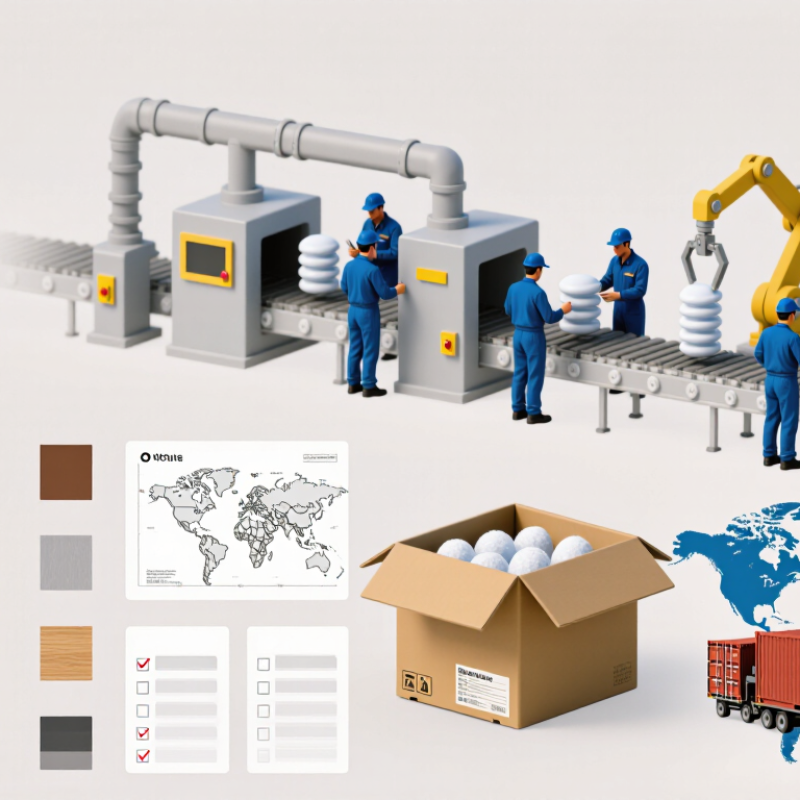
Porcelain bushings are made from carefully blended ceramic materials, often including clay, quartz, and feldspar. The mixture is formed into the required shape, then dried slowly to reduce cracking. After glazing, pieces are fired in a kiln, where heat gives the porcelain its strength and insulating properties. Metal fittings are added after firing, commonly using cement or another specified jointing material. The exact process varies with the bushing design and intended service conditions.
Quality checks start with visible details: cracks, glaze defects, dimensions, and fitting alignment. Electrical tests may include power-frequency withstand checks, while selected designs also undergo mechanical-load or temperature-cycle testing. Test voltage and acceptance criteria depend on the rated design, so buyers should review the supplier’s test records rather than assume every unit follows the same procedure. A clean surface is reassuring, but it cannot prove internal quality.
Tips: Ask for routine test reports and confirm that the tested model matches the delivered specification. Check how the supplier controls firing and inspects metal-to-porcelain joints. Small differences matter. Even with good records, transport damage can happen, so inspect the packaging and fittings on arrival.
What Qualities Define a Reliable Chinese Supplier?
A reliable Chinese porcelain bushing supplier can explain how its products are made and tested, not just quote a low price. Ask for material specifications, dimensional drawings, and inspection records for the exact model you plan to order. Details matter. Check that the stated voltage rating, creepage distance, and mounting dimensions match your application. A mismatch can delay installation, even when the bushing looks sound.
Look for consistent quality controls, including checks for cracks, glaze defects, and dimensional variation. Request relevant test reports and clarify whether they cover routine production checks or type testing. Ask how the supplier tracks batches and handles nonconforming products. A sample can help assess finish and packaging, but it cannot prove long-term performance.
Be cautious of polished catalogs without supporting records. Clear answers about lead times, export packing, and replacement procedures also matter. Keep communication in writing, especially when drawings or tolerances change. No checklist removes every risk; even experienced buyers can overlook a small interface detail. Comparing evidence across several suppliers takes time, but it is more useful than relying on promises alone.
How Can Global Buyers Compare Chinese Suppliers?
Global buyers should compare Chinese porcelain bushing suppliers against the same technical specification, not just quoted price. Check rated voltage, current, creepage distance, flange dimensions, and connection details. Ask how the porcelain body is formed and glazed. Request drawings before approving a sample. Small dimensional differences can complicate installation.
Review evidence, not promises. Request recent inspection records, material traceability, and test results that match your requirements. Confirm how defects are handled and whether production samples can be checked before shipment. Export packaging matters, too; porcelain can chip when crates shift during transit. A polished catalog is useful, but it cannot prove consistent production. No checklist removes every risk, and buyers may need to revise their questions after reviewing the first sample.
Tips: Send suppliers one comparison sheet with identical specifications and questions. Ask for close-up photos of seals, metal fittings, and finished surfaces. Compare response clarity, lead time, and documentation alongside price. If an answer is vague, ask for a specific record or drawing. Be cautious: the cheapest offer may omit testing or protective packaging.
Best Porcelain Bushing Suppliers in China for Global Buyers? – How Can Global Buyers Compare Chinese Suppliers?
A practical comparison checklist for assessing supplier quotations and supporting documents. It is not a ranking of individual suppliers; requirements should be matched to the project specification and applicable standards.
| Comparison dimension | What to compare | Evidence to request | Buyer’s evaluation check |
|---|---|---|---|
| Standards and compliance | Whether the proposed bushing design and tests meet the project’s specified standard. IEC 60137 covers insulated bushings for alternating voltages above 1 kV; confirm the applicable edition and any additional requirements. | Standards-compliance statement, test reports, and a clear list of deviations or exclusions. | Check that the standard, edition, rated voltage, and intended application match the purchase specification. |
| Electrical ratings and design | Rated voltage, current, insulation levels, connection details, dimensions, and any capacitance or voltage-tap requirements, as applicable to the bushing type. | Project-specific datasheet, outline drawing, terminal details, and approved drawings before production. | Compare every rating and interface against the equipment design; do not assume ratings are interchangeable across applications. |
| Porcelain and insulation details | Insulator material description, creepage distance, shed profile, surface finish, and suitability for the specified environmental conditions. | Material and design documentation, dimensional drawings, and applicable inspection records. | Verify creepage and environmental requirements against the project specification and site conditions. |
| Type and routine testing | Which tests are performed, which are type tests versus routine tests, and how the test scope relates to the offered design and order. | Test procedures and reports identifying the tested design, sample, test date, results, and acceptance criteria. | Confirm test coverage with the applicable standard and contract; verify that reports apply to the offered design. |
| Quality management and traceability | Inspection stages, nonconformance handling, production records, and traceability from components or batches to finished products. | Quality-system certificate, certificate scope and validity, inspection and test plan, and sample traceability records. | Check certificate validity and scope; confirm that the proposed inspection plan covers the ordered product. |
| Inspection and witness options | Availability of document review, pre-shipment inspection, or buyer/third-party witness points, where required. | Inspection and test plan with hold points, notice periods, responsibilities, and associated costs. | Agree inspection arrangements and acceptance criteria in the contract before production begins. |
| Customization and engineering support | Ability to meet project-specific dimensions, interfaces, drawings, documentation, and change-control requirements. | Technical clarification responses, drawing revision history, and a documented approval process. | Resolve technical deviations and obtain approval of the final drawings before manufacture. |
| Lead time and delivery terms | Quoted production and dispatch schedule, order assumptions, delivery basis, and shipment responsibilities. | Written quotation, production schedule, named delivery term and location, and stated quotation validity. | Compare offers on the same quantity, specification, delivery basis, and schedule assumptions. |
| Packaging and export readiness | Protection against handling and transport damage, packing method, marking, and shipping-document support. | Packing specification, sample package details or photos, and a list of export documents supplied. | Confirm packaging suits the transport route and handling conditions; define damage reporting and claims procedures. |
| Warranty and after-sales support | Warranty duration and start point, exclusions, defect-claim process, and availability of technical support. | Written warranty terms, claims procedure, and stated response and replacement arrangements. | Compare the contractual wording rather than relying on general assurances in a quotation. |
| Total evaluated cost | Quoted unit price and separately stated costs such as tooling, testing, inspection, packaging, freight, and duties, where applicable. | Itemized quotation with currency, payment terms, included services, exclusions, and price-validity period. | Compare like-for-like scope and delivery terms; assess total landed cost rather than unit price alone. |
What Should Buyers Consider When Sourcing from China?
When sourcing porcelain bushings from China, define the application before comparing prices. Share the rated voltage, current, insulation level, mounting dimensions, and operating environment. A bushing exposed to salt spray or heavy dust may need different surface design than one used indoors. Details matter.
Ask suppliers for dimensional drawings, material specifications, routine test records, and clear acceptance criteria. Confirm how porcelain is inspected for cracks, glaze defects, and uneven surfaces. Request traceable batch information and sample photos before production. If a test report does not identify the tested model, ask for clarification. Paperwork can look complete while leaving gaps.
Compare lead times, packaging, and communication as carefully as unit cost. Porcelain can chip during long-distance shipping, so ask about protective caps, shock-resistant packing, and container loading. Agree on how changes to drawings will be approved. A video call or factory audit can help verify equipment and quality procedures, but neither guarantees every shipment will be perfect. I would also keep a small amount of time for clarifications; specifications often need one more revision than expected. A low quote is useful, but only when the technical scope matches.
Best Porcelain Bushing Suppliers in China: What Should Global Buyers Consider?
A practical buyer-defined weighting framework for comparing suppliers. Scores are recommended evaluation weights—not survey results or ratings of any supplier.
Prioritize verified technical compliance and test records, then assess material quality, traceability, customization, delivery capability, and after-sales support. Confirm that applicable standards and acceptance criteria match your project before placing an order.

