
7 Bio Gas Purification Tips for Global Buyers
Biogas plants rarely produce a perfectly consistent stream of gas. Feedstock changes, moisture rises, and hydrogen sulfide can corrode equipment. Those details matter when choosing a purification system. For global buyers, the right decision starts with measured gas composition, expected flow, and the quality required at the point of use.
Biogas specialist Arthur Wellinger has contributed extensively to research and guidance on biogas production and upgrading. A practical takeaway from that work, paraphrased rather than presented as a verbatim quotation, is: “Choose the upgrading process to fit the gas, the plant, and the required product quality.” It is a useful reminder. No single technology suits every site.
This guide, “7 Bio Gas Purification Tips for Global Buyers,” examines the questions worth asking before a purchase. Buyers should compare methane recovery, contaminant removal, energy use, maintenance needs, and monitoring provisions. Ask suppliers how their equipment handles variable inlet gas, not only ideal test conditions. Check the proposed sampling points and clarify which performance figures are guaranteed. A cold morning, a damp filter, or a delayed replacement part can change daily operation. Small details, but consequential.
Specifications can still leave gaps. Treat them as a starting point, then verify assumptions with representative gas data and qualified technical review. A careful comparison helps buyers identify trade-offs, reduce avoidable downtime, and select equipment suited to real operating conditions.
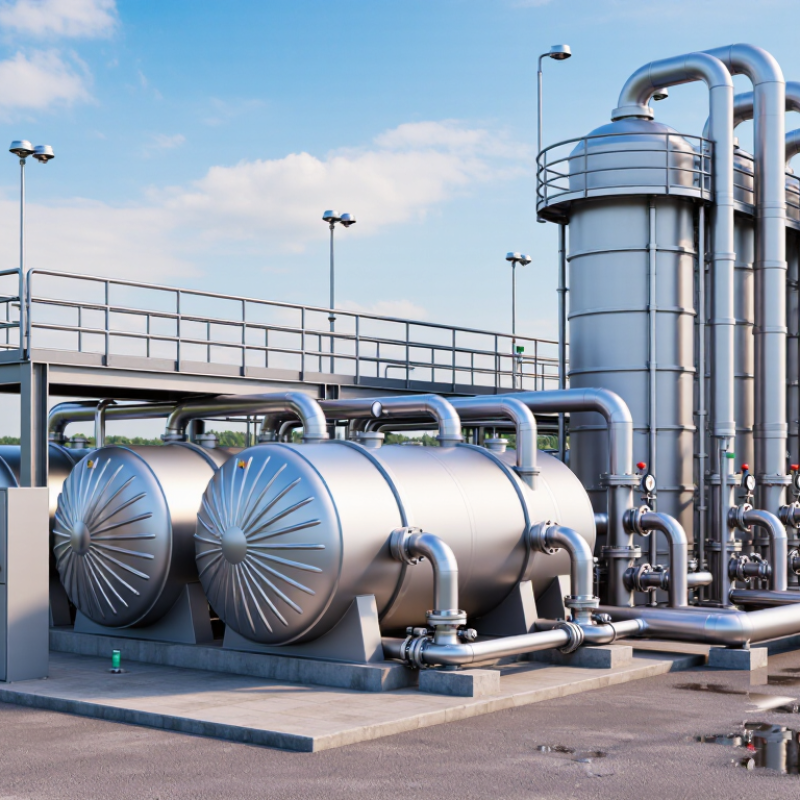
Understanding Biogas Purification and Its Role in Gas Quality
Raw biogas is not a uniform fuel. Its composition changes with feedstock, digester conditions, and operating habits. It may contain methane, carbon dioxide, water vapor, hydrogen sulfide, and trace contaminants. Small differences matter. Moisture can condense in pipes, while hydrogen sulfide can contribute to corrosion and damage downstream equipment. Carbon dioxide lowers methane concentration and reduces the energy available per unit of gas.
Purification removes or reduces unwanted components to meet the needs of a specific end use. Gas for a boiler may require different treatment from gas used in an engine or upgraded for a pipeline. Testing the inlet gas is essential; otherwise, equipment can be selected using assumptions rather than actual conditions. Useful checks include methane content, moisture, hydrogen sulfide, and relevant trace compounds. Sampling should reflect changes over time, not just one convenient reading.
Details count. A damp sample line, for example, can distort moisture readings. No treatment train is perfect, and a design that works well at one site may need adjustment at another. Buyers should compare guaranteed outlet quality with the intended equipment’s requirements, then ask how performance is monitored. This question is easy to overlook. It should not be.

Assessing Feedstock Composition and Key Contaminants
Biogas purification should begin with a clear picture of the incoming gas, not a standard equipment list. Food waste, manure, and wastewater sludge can produce different levels of methane, carbon dioxide, and contaminants. Even one digester may vary after a feedstock change. A single sample can mislead. Collect representative samples across operating conditions, then compare results with process records.
Tips: Measure hydrogen sulfide, water vapor, and siloxanes where relevant to the feedstock and end use. Check oxygen and nitrogen too, especially when air may enter the system. Record sampling location, date, and operating conditions. Small details matter. A damp sample line or an unusual production day can distort the picture, so review the method before trusting surprising results.
Use contaminant data to guide treatment choices and maintenance intervals. Hydrogen sulfide can contribute to corrosion; moisture can condense in pipes; siloxanes may form deposits during combustion. These risks depend on concentration, equipment, and operating conditions. Do not assume one test covers every season. Recheck after major feedstock or process changes, and ask a qualified laboratory to clarify results that conflict with field observations. Even careful monitoring has limits.
| Tip | Feedstock and indicative raw-gas profile | Key contaminants to assess | Why they matter | Buyer action |
|---|---|---|---|---|
| 1. Characterize the feedstock mix | Agricultural residues, manure, food waste, wastewater sludge, and landfill gas can produce different gas compositions. Raw biogas commonly contains about 45–70% methane and 30–50% carbon dioxide; actual values vary by feedstock and operating conditions. | Methane, carbon dioxide, nitrogen, oxygen, and water vapor. | Gas composition determines upgrading capacity, product-gas yield, and whether air ingress or dilution is affecting the process. | Request representative analyses across seasons and operating conditions. Confirm the sampling method, analyzer calibration, and whether results are reported on a wet or dry basis. |
| 2. Test hydrogen sulfide (H2S) | Manure, protein-rich food waste, and wastewater sludge can produce sulfur-rich gas. H2S levels range widely, from low concentrations to thousands of ppm, depending on feedstock and digester operation. | H2S and, where relevant, total sulfur compounds such as mercaptans. | Sulfur compounds are toxic and corrosive; they can damage equipment and may need removal to meet end-use or grid specifications. | Obtain minimum, typical, and peak measurements. Size sulfur removal for credible peak loading and define a monitoring point after treatment. |
| 3. Measure moisture and plan for condensate | Digester gas generally leaves the process warm and water-saturated. Cooling during collection or transport can cause water to condense in pipes and equipment. | Water vapor, liquid condensate, and dissolved acidic gases in condensate. | Condensation can cause corrosion, blockages, measurement errors, or operating problems in downstream equipment. | Ask for gas temperature, pressure, and dew-point data. Check that the proposed design includes drainage, condensate handling, and appropriate gas drying. |
| 4. Screen for siloxanes when relevant | Landfill gas and gas from wastewater sludge may contain volatile silicon compounds from consumer and industrial products. Levels can vary substantially by site. | Volatile methylsiloxanes, reported with the analytical method and units stated. | Combustion can convert siloxanes into hard silica deposits that foul engines, turbines, or other equipment. | Include siloxane testing for landfill and sludge-related projects, especially where gas will be used in engines or other combustion equipment. |
| 5. Check ammonia and other nitrogen compounds | Nitrogen-rich feedstocks, including some manure and waste streams, may contribute ammonia. Concentrations depend on feedstock, pH, temperature, and digester operation. | Ammonia, with nitrogen and oxygen measured as part of the broader gas analysis. | Ammonia can contribute to corrosion, deposits, or emissions concerns in downstream use, while nitrogen can dilute the product gas. | Request a detection limit and a documented sampling procedure. Confirm whether pretreatment or routine monitoring is needed for the intended end use. |
| 6. Investigate oxygen and nitrogen ingress | Air may enter through leaks, poorly sealed covers, or intentional air addition in some sulfur-control practices. The resulting oxygen and nitrogen levels depend on system design and operation. | Oxygen and nitrogen, along with methane concentration and pressure trends. | Air ingress can reduce methane concentration and may create safety or process-control concerns. Nitrogen is generally difficult to separate from methane. | Ask how air addition is controlled and how leaks are detected. Have the supplier assess oxygen and nitrogen against the intended upgrading process and product specification. |
| 7. Test for volatile organic compounds (VOCs) | Landfill gas can contain a variable mixture of trace organic compounds; industrial or mixed-waste inputs may also introduce site-specific VOCs. | VOCs selected according to feedstock and local risk assessment; consider halogenated compounds where waste history indicates a potential source. | Some trace compounds can affect adsorbents, membranes, equipment, product quality, or emissions compliance. | Base the test list on feedstock records, site history, and the destination-gas specification. Agree on laboratory methods, reporting limits, and retesting frequency. |
| Data note: Composition ranges and contaminant levels are indicative, not guaranteed design values. Actual results depend on feedstock, plant operation, sampling location, and analytical method. Use site-specific laboratory data and applicable local gas-quality, safety, and emissions requirements for equipment selection. | ||||
Comparing Purification Technologies for Different Applications
Biogas purification should match the gas, the end use, and the site’s operating conditions. Raw gas may contain moisture, hydrogen sulfide, carbon dioxide, and siloxanes. Their levels vary with feedstock, so buyers should test gas before comparing equipment. A wastewater plant and a food-waste digester may need different treatment trains.
Water scrubbing and pressure-swing adsorption can remove carbon dioxide, while membranes offer compact, modular layouts. Amine systems can achieve deep carbon-dioxide removal, but heat demand and solvent handling need close review. For hydrogen sulfide, iron-based media or activated carbon may suit smaller flows; larger plants may require bulk removal before polishing. The European Biogas Association’s Statistical Report 2023 recorded about 4.2 billion cubic metres of biomethane production in Europe in 2022, illustrating a market with varied plant scales. One figure cannot determine the best technology.
For vehicle fuel, methane recovery, stable product quality, and compression requirements deserve attention. For grid injection, buyers must compare local gas specifications and connection costs. Landfill gas may also carry siloxanes that can damage engines or downstream equipment. Check the full energy balance, not just the outlet purity. I would verify vendor guarantees against seasonal feedstock data; design assumptions can be optimistic. Small details matter. A pilot test may reveal them.
7 Biogas Purification Tips for Global Buyers
Comparing Purification Technologies for Different Applications
The chart compares representative methane recovery and product-gas methane concentration for five common upgrading technologies. Actual results vary with feed-gas composition, system design, and operating conditions; use project-specific guarantees when evaluating suppliers.
Buyer tips: check feed-gas pretreatment needs, methane slip, energy and water use, output specifications, operating flexibility, maintenance requirements, and total lifecycle cost.
Evaluating Capacity, Energy Use, and Compliance Requirements
7 Bio Gas Purification Tips for Global Buyers
Evaluating Capacity, Energy Use, and Compliance Requirements
A purification system should match real feed-gas conditions, not just its nameplate capacity. Ask suppliers to state capacity in normal cubic metres per hour and show performance across expected methane levels, pressure changes, and seasonal feedstock swings. A polished capacity sheet can hide these details. The IEA’s 2020 Outlook for Biogas and Biomethane estimates sustainable biomethane potential near 730 bcm annually, roughly one-fifth of current global gas demand. That scale makes reliable, efficient upgrading increasingly important.
Tip: Compare energy use per unit of raw biogas treated, not just total power draw. Request measured figures at both typical and peak loads, alongside methane recovery and methane slip. Check whether figures include compression, drying, cooling, and other auxiliaries. Small omissions matter. A site with limited grid capacity may find a modest efficiency gap more costly than expected.
Compliance starts with the destination. Confirm the receiving network’s limits for methane, carbon dioxide, hydrogen sulphide, moisture, oxygen, and heating value. Requirements differ between grids and end uses, so ask for a documented gas-quality guarantee and a clear sampling plan. ISO 20675 provides internationally used biogas terminology and classification, but it does not replace local connection rules. Verify permits, monitoring duties, and reporting requirements with qualified local advisers. I would also challenge any proposal that promises compliance without naming its test method.
Selecting Suppliers and Planning Installation and After-Sales Support
For global buyers, supplier selection starts with the gas, not the brochure. Ask for operating data from projects treating similar methane levels, moisture, and contaminants. Request a written inlet-gas range, product-gas specification, expected recovery, and utility demand. A performance guarantee means little if its test conditions differ from your site. Check who will size pretreatment, compressors, controls, and safety instruments. Clarify who handles shipping, commissioning, and operator training. That gap is easy to miss.
Tips: Compare at least two reference projects. Ask for a sample process flow diagram and a spare-parts list. Confirm response hours, remote diagnostic access, and site-visit terms in writing. Keep one unresolved question on the table; assumptions deserve testing. Small details matter.
Before installation, share site drawings, ambient temperatures, power quality, drainage, and access limits. Have the supplier review foundation loads and maintenance clearances before equipment ships. During commissioning, record baseline pressure, flow, gas quality, and alarm settings. These readings can help distinguish process drift from sensor or utility problems later. After-sales support should name a technical contact, escalation path, and realistic parts lead times. Ask how software updates and operator refreshers are handled. Remote help is useful, but it cannot replace clear site procedures. Plans change. A learning curve is easy to underestimate.

