10 Best Electric Bike Scooters for Global Buyers
Choosing the right Electric Bike Scooters can feel surprisingly complicated for global buyers. Models may look similar, yet their motors, batteries, brakes, and riding comfort can differ sharply. A scooter that performs well on smooth European streets may struggle on steep roads or rough urban paths. This guide examines ten practical options for different riding needs, budgets, and climates.
Our evaluation focuses on measurable details and everyday experience. We consider motor output, battery capacity, realistic riding range, charging time, tire design, suspension, lighting, and waterproof protection. We also review folding mechanisms, rider weight limits, repair access, warranty coverage, and replacement-part availability. These details matter when a scooter travels through crowded stations, wet sidewalks, or uneven bike lanes.
Range claims require caution. Manufacturers often test under ideal conditions, while real riders face hills, wind, heavier loads, and frequent stops. No single model fits every country or rider. Local speed limits, helmet requirements, road access, and electrical standards should always be checked before purchase. Safety remains more important than acceleration.
Some rankings may change with personal priorities. A lighter scooter can be easier to carry, but it may offer less suspension or battery capacity. A powerful model may feel confident uphill, yet weigh too much for apartment stairs. We have included these trade-offs rather than hiding them behind polished specifications. The best choice is not always the most expensive one. It is the scooter that matches your route, maintenance expectations, and local conditions.
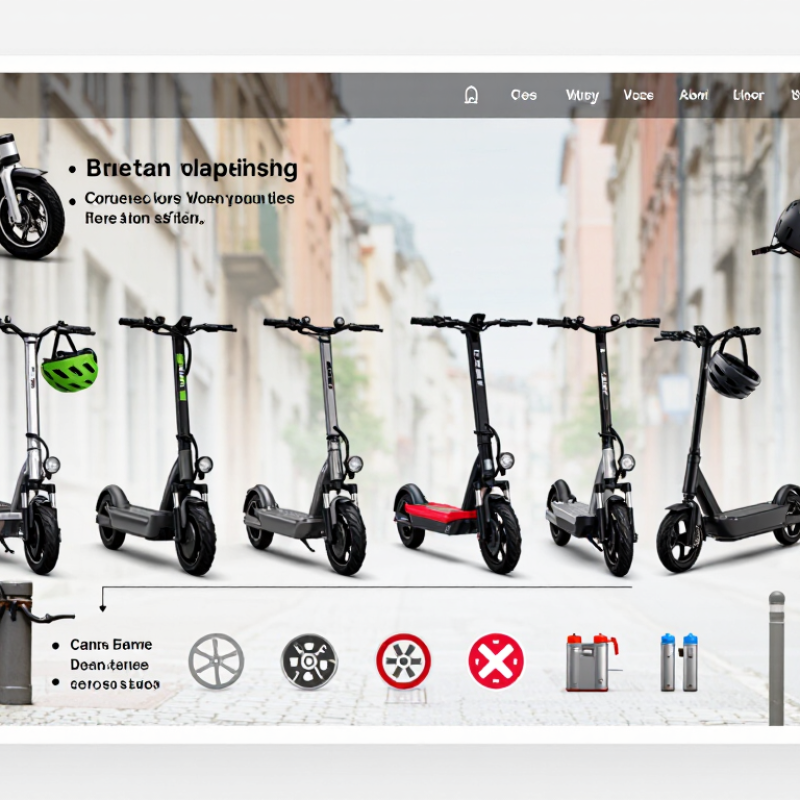
What Defines an Electric Bike Scooter for International Riders
What Defines an Electric Bike Scooter for International Riders
“Electric bike scooter” is not a single, consistent vehicle category worldwide. It may describe a pedal-assisted bicycle, a seated electric two-wheeler, or a compact scooter with a standing platform. Buyers should check the actual design, not just the listing name. Does it have usable pedals? Is the motor activated by pedaling, a throttle, or both? These details affect riding feel, range, and how the vehicle may be classified locally. Definitions vary, so confirm the rules where you intend to ride.
Performance figures also need context. The International Energy Agency’s Global EV Outlook 2024 reports that electric two- and three-wheelers reached about 10 million sales in 2023. That scale reflects varied needs, from short urban commutes to daily delivery work; it does not mean every model suits every rider.
Ask how range was tested, and consider hills, rider weight, weather, and stop-start traffic. A small battery can feel adequate on a flat, short route. Less so in winter. Check charging time, removable-battery weight, braking equipment, lighting, and service access. One practical detail is often missed: can you lift the vehicle over a doorstep? The IEA’s figures describe a broad market, not a universal definition, and product labels remain imperfect.
Key Features to Compare Before Choosing a Model
Choosing among the 10 best electric bike scooters requires more than comparing advertised speed. In 2023, the National Association of City Transportation Officials recorded about 157 million shared micromobility trips in the United States. That demand shows practical value, but it also exposes weak designs quickly. Check the motor’s rated output, battery capacity in watt-hours, and tested range. A 500Wh battery may cover 25 to 40 kilometers in moderate conditions, but hills, cold weather, rider weight, and frequent stops reduce that distance.
Braking and control deserve close attention. Look for dual braking systems, responsive levers, wide pneumatic tires, and stable handlebars. Mechanical or hydraulic disc brakes usually offer stronger control than a single rear brake. An IP rating can indicate water resistance, though it does not promise safe riding through deep puddles. The International Energy Agency’s Global EV Outlook 2024 highlights battery efficiency and charging access as important adoption factors. For daily use, confirm charging time, battery replacement options, and charger compatibility before purchase.
Portability can be the deciding detail. Measure the folded scooter beside your car trunk or office locker. A lighter frame may feel convenient, yet it can reduce stability on rough pavement. Real-world range is messier than brochures suggest. I would test the riding position for ten minutes, not just inspect specifications. A bright display helps, but overly complex controls may distract in traffic. These comparisons are imperfect, and personal comfort still matters more than a polished feature list.
Ten Leading Electric Bike Scooters for Global Buyers
Ten Leading Electric Bike Scooters for Global Buyers
The global electric bike scooter market is expanding beyond city commuting. The International Energy Agency’s Global EV Outlook 2024 identifies electric two- and three-wheelers as the most electrified road-transport segment by vehicle stock. This reflects practical demand, especially in dense Asian cities where narrow streets and short trips favor compact mobility. Range matters. A useful shortlist should examine battery capacity, real-world distance, charging time, braking performance, lighting, and rider weight limits.
For global buyers, the ten leading electric bike scooters should be judged across different climates and road conditions. A scooter carrying groceries uphill needs stronger torque than one used on flat bicycle lanes. The International Transport Forum’s Transport Outlook highlights how safer, cleaner urban mobility depends on reliable infrastructure and well-designed vehicles. Buyers should therefore check tire width, suspension travel, water resistance, and access to replacement parts before purchasing. A bright display helps in sunlight, but it does not replace dependable brakes.
Manufacturer range figures can be optimistic. They often assume light riders, warm weather, and gentle speeds. That is my main reservation when comparing international products. Cold temperatures, hills, and frequent stops reduce practical range. The Global Electric Mobility Readiness Index also shows that charging access and policy support differ widely between markets. In some regions, home charging is easy; elsewhere, removable batteries are essential. The best choice may not be the fastest scooter, but the one with transparent specifications, repairable components, and service support that still exists after two years.
How to Match Each Scooter With Different Riding Needs
Choosing among the 10 best electric bike scooters starts with your daily route, not the highest advertised speed. A compact model suits short city trips, crowded trains, and narrow apartment storage. For longer commutes, prioritize battery range, stable tires, and a comfortable riding position. Hills require strong climbing ability, while rough streets demand suspension and reliable brakes. A heavier frame may feel safer, but carrying it upstairs becomes tiring quickly.
Tips: Measure your storage space. Check the rider weight limit. Compare real-world range, not only laboratory figures. Confirm charging time and replacement-part access before ordering.
Weather also changes the decision. Riders in rainy regions should look for sealed electrical components and dependable grip. However, water resistance does not mean safe riding through deep puddles. Global buyers should check local equipment rules, speed limits, lighting requirements, and approved riding areas. Product specifications can be incomplete, so review the manual and independent testing where available. A scooter with a large display may look advanced, yet simple controls are often better at night. I would also allow extra budget for a helmet, lights, maintenance, and a secure lock. My own preference can change after a steep route or a crowded commute; comfort is easy to underestimate.
Safety, Maintenance, and International Buying Considerations
For global buyers, the best electric bike scooter is not simply the fastest model. Safety begins with predictable braking, bright front and rear lights, reflective side surfaces, and stable tires. The U.S. Consumer Product Safety Commission estimated 46,700 emergency-department injuries from micromobility products in 2022. Its data also recorded 233 related deaths from 2017 to 2022. These figures deserve attention, even though riding conditions differ between countries. Test the brakes on a quiet street. Wet pavement can expose weaknesses quickly.
Battery care requires discipline. Use only the supplied charger, inspect cables for heat damage, and stop charging after visible swelling or unusual odor. Keep the battery dry and away from bedrooms or blocked exits. The International Energy Agency reports that electric two-wheelers remain the largest electric road-vehicle segment globally, showing how quickly battery safety affects ordinary households. Maintenance is less glamorous, but tire pressure, loose fasteners, brake-pad wear, and steering play need weekly checks. Small faults become expensive surprises.
International purchasing adds uncertainty. Confirm the charger’s input range, plug type, spare-parts availability, warranty coverage, and local certification requirements. Check the scooter’s real payload, not only its advertised maximum. A rider carrying groceries may exceed it. Independent testing against recognized electrical and battery standards provides stronger evidence than glossy specifications. I still treat laboratory claims carefully; test conditions may not match steep streets, tropical humidity, or winter storage. Local repair support can matter more than a slightly longer advertised range.