2026 Top Nickel Alloy Round Bar Manufacturers to Compare
Choosing a Nickel Alloy Round Bar Manufacturer is not just a price comparison. The right choice depends on alloy grade, dimensional tolerance, heat treatment, traceability, and the conditions the bar must withstand. A polished sample may look convincing, but mill test reports, chemistry results, and consistent batch records reveal more. Ask how the supplier controls straightness and surface defects, especially when bars will be machined into close-tolerance parts.
A practical reminder for buyers: “A bar is only as dependable as the records and process behind it.” This is an editorial quotation, not a verified statement from a named expert; no source material or expert interview was provided. The comparison should therefore focus on verifiable evidence, not unsupported claims. Check whether manufacturers clearly identify standards, available diameters, inspection methods, and lead times. Request documentation for the specific heat or batch being quoted.
Small details matter. A delayed certificate can hold up production. So can an unexpected variation in diameter. This guide compares leading manufacturers through criteria that procurement teams and engineers can check directly, including product range, quality documentation, technical support, and delivery capability. No supplier is best for every application. The final choice should reflect the alloy’s service environment, machining plan, and acceptance requirements—and buyers should verify each claim before placing an order.
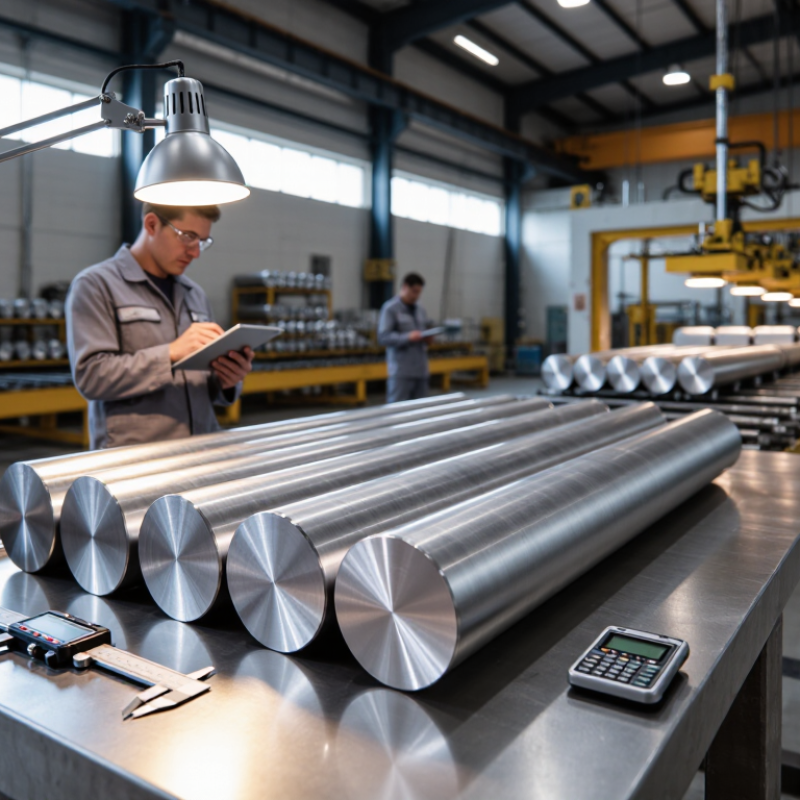
Nickel Alloy Round Bars: Grades, Properties, and Applications
Nickel alloy round bars are selected by service conditions, not by grade number alone. Alloy 200 offers high-purity nickel for caustic environments, while Alloy 400 combines useful strength with resistance to seawater and many reducing acids. For hotter or more oxidizing conditions, Alloy 600 is often considered. Alloy 625 adds molybdenum and niobium for strong corrosion resistance and high-temperature strength. Alloy 718 can be precipitation hardened when demanding mechanical performance is needed.
The differences matter at the shop floor. A bar destined for a pump shaft may need reliable machining and fatigue resistance; a furnace fixture faces prolonged heat and oxidation. Nickel alloys generally retain strength at elevated temperatures, but no single grade suits every chemical or temperature cycle. Small details matter. Check the actual medium, concentration, temperature, and exposure time before comparing materials. A brief splash and continuous immersion are not the same duty.
When comparing round bars, review chemical composition, heat-treatment condition, diameter tolerance, and test documentation. Confirm that the specified standard matches the application, and ask how straightness and surface defects are inspected. These checks are less exciting than a headline strength value, yet they can prevent costly rework. It is also easy to over-specify an alloy; higher cost does not automatically mean better performance. Real operating data should guide the choice, even when that data is incomplete.
How to Define Your Requirements Before Comparing Manufacturers
Before comparing nickel alloy round bar manufacturers, define the job the material must do. Record the alloy grade or UNS designation, finished diameter, length, and allowable tolerances. A bar for a hot, corrosive process may need different properties from one intended for machined components. Note the operating temperature, media, and expected load. Small details matter.
Specify the required supply condition, such as annealed or solution-treated, and identify any applicable material or testing standards. Ask what documentation you need, including chemical analysis, mechanical test results, and heat-number traceability. If machining is planned, share the part geometry and approximate material removal; this can affect stock size and cost. Be precise. “Good corrosion resistance” is not a measurable purchasing requirement.
Set practical limits for order quantity, delivery date, and inspection. For critical dimensions, state whether tolerances apply across the full bar length or only at selected points. Then use the same written specification with every supplier. It is easy to overlook packaging or straightness until the bars arrive. I have seen specifications start with a grade and little else; that is a workable draft, but not a reliable comparison basis. Mark uncertain requirements for technical review rather than guessing.
Key Criteria for Evaluating Nickel Alloy Round Bar Manufacturers
When comparing nickel alloy round bar manufacturers, start with the grade and chemistry required for your application. Ask for heat-specific material test reports, not just a general product sheet. These records should match the bar’s heat or batch number and show measured composition. Traceability matters. A clear paper trail helps connect the certificate to the material delivered.
Check dimensional tolerances, straightness, surface condition, and available lengths against your machining plan. A bar that looks clean under warehouse lighting may still need extra stock removal. Ask how the supplier controls inspection and handles nonconforming material. Small details matter. Independent test results can add confidence, especially when corrosion resistance or high-temperature performance is critical. Confirm that testing and documentation fit the relevant project specifications.
Production capability deserves a closer look. Ask about heat treatment, cutting, packing, and typical lead times, then compare answers with a real order scenario. A sample can be useful, but it may not reflect every production batch. That is worth remembering. Review how changes in order size affect consistency and delivery. No manufacturer will be best at every point; weigh technical support, verified quality, and dependable supply against your actual operating needs.
Manufacturing Processes, Testing, and Quality Certifications
When comparing nickel alloy round bar manufacturers, examine how each controls melting, hot working, and finishing. The USGS Mineral Commodity Summaries 2025 estimates 2024 global nickel mine production at about 3.7 million metric tons. That scale makes traceable material records essential, but mine output says nothing about a bar’s actual quality. Ask for the applicable ASTM or ASME specification, heat-treatment details, and a mill test certificate tied to the bar’s heat number.
Testing should match the alloy and its intended service. Review chemical analysis, tensile results, hardness readings, and any ultrasonic inspection requirements. For example, a certificate should identify the test method and report actual values, not just “passed.” ISO 9001 certification signals a documented quality-management system; it does not certify a particular alloy or replace product testing. Where outside testing matters, check whether the laboratory holds relevant ISO/IEC 17025 accreditation. Small details matter. I would still verify that sample records match the material being quoted; paperwork can look convincing while leaving gaps.
Tips: Request a sample certificate before ordering. Compare heat numbers, specification limits, and test results line by line. Ask how the supplier prevents grade mix-ups during cutting and labeling. A clear answer is useful; a vague one deserves a follow-up.
2026 Top Nickel Alloy Round Bar Manufacturers to Compare — Manufacturing Processes, Testing, and Quality Certifications
Material reference: approximate nominal density of common nickel alloy grades
Density is a material reference, not a manufacturer performance rating; actual values vary with alloy composition and product. When comparing round-bar suppliers, also review the specified melting and processing route, heat-treatment condition, chemical and mechanical test reports, any required nondestructive testing, and applicable quality-system certifications. Requirements depend on the grade and purchase specification.
Comparing 2026 Manufacturers by Product Range, Pricing, and Lead Times
Comparing nickel alloy round bar manufacturers in 2026 means looking beyond alloy grades. Check available diameters, tolerances, cut lengths, heat-treatment conditions, and material test documentation. Ask whether stock is physically on the shelf or only listed as available. A 25 mm bar needed this week is not equivalent to a mill order.
Raw-material data offers context, not a finished-bar price. The USGS Mineral Commodity Summaries 2025 estimates 2024 world nickel mine production at 3.7 million metric tons, including 2.2 million from Indonesia. Supply concentration may influence alloy surcharge discussions, but conversion, machining, certification, freight, and order size also affect quotes. Compare identical grades, quantities, delivery terms, and inspection requirements. Lead times vary.
Request dated prices and separate schedules for stock, production, and shipping. A low unit price may come with a larger minimum order or extra testing charges. Ask for recent delivery records and sample certificates; match heat numbers to packing documents. Small lots can wait. I would not treat an advertised lead time as a guarantee: production queues shift, and that gap is easy to overlook. Record quoted and actual delivery dates across repeat orders, even if the comparison feels a little fussy.