2025 Top CNC Cutting Technologies for Precision Manufacturing
In the rapidly evolving landscape of precision manufacturing, CNC cutting technologies have emerged as pivotal drivers of efficiency and accuracy. According to a report from MarketsandMarkets, the global CNC cutting machine market is projected to reach $5.19 billion by 2025, reflecting a compound annual growth rate (CAGR) of 6.76% from 2020. As manufacturers increasingly embrace automation and precision engineering, understanding the latest advancements in CNC cutting becomes essential for staying competitive.
Industry experts have recognized the transformative impact of these technologies. Dr. Emily Harper, a renowned authority in CNC machining, states, "The evolution of CNC cutting technologies not only enhances productivity but also significantly elevates the quality of the end products." With innovations such as adaptive cutting systems and AI-driven machine learning algorithms on the horizon, the potential for CNC cutting to redefine manufacturing processes is immense. As we explore the top cutting technologies anticipated to shape the industry in 2025, it is imperative to assess how these advancements can be leveraged for optimum precision and operational efficiency.
Innovative Laser Cutting Techniques Revolutionizing Precision Manufacturing
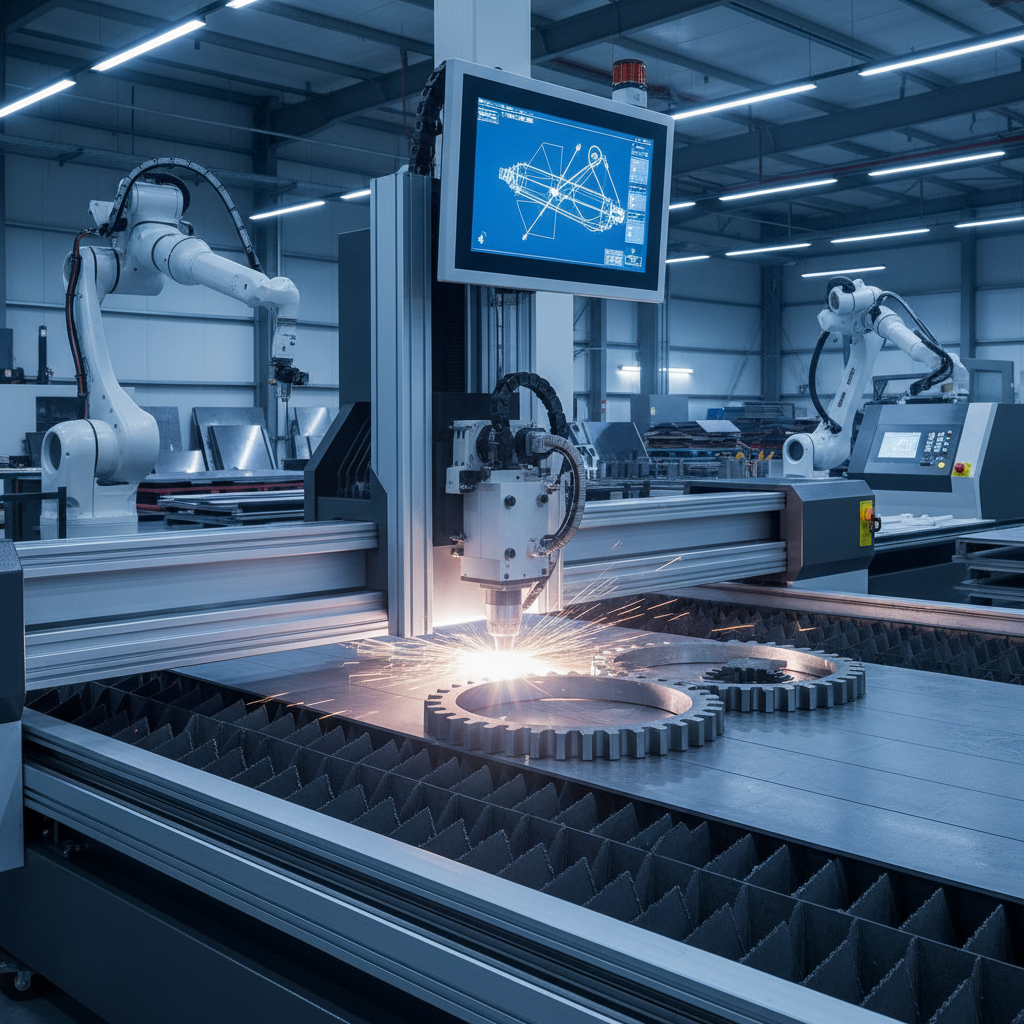
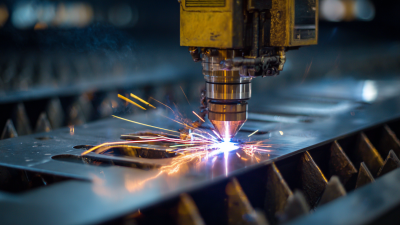
Innovative laser cutting techniques are at the forefront of revolutionizing precision manufacturing, offering unprecedented accuracy and efficiency. These advanced technologies employ high-powered lasers to cut through various materials with exceptional precision, significantly reducing waste and production time. Unlike traditional cutting methods, laser cutting allows for intricate designs and detailed patterns, making it an ideal choice for industries where precision is paramount, such as aerospace, automotive, and electronics.
In addition to enhancing precision, modern laser cutting techniques integrate sophisticated software and automation, streamlining the manufacturing process. This advancement not only helps in maintaining tight tolerances but also improves the overall productivity of manufacturing workflows. With features such as real-time monitoring and adaptive control, manufacturers can achieve consistent quality while minimizing human error. As these innovative techniques continue to evolve, they are set to define the future landscape of precision manufacturing, enabling companies to realize more ambitious designs and applications than ever before.
Advancements in Plasma Cutting Technology for Enhanced Accuracy
Advancements in plasma cutting technology have significantly transformed precision manufacturing, making it an essential tool in various industries. Recent innovations have led to improved arc stability and speed, which enhances the overall cutting accuracy. The integration of computer numerical control (CNC) systems with advanced plasma cutting equipment allows for intricate designs to be executed with remarkable precision. This technology can cut through a range of materials, including metals of varying thicknesses, while maintaining smooth edges and minimal distortion.
Moreover, the development of high-definition plasma systems has revolutionized the way manufacturers approach complex geometries. These systems utilize refined nozzle designs and advanced gas flow mechanics, resulting in tighter kerf widths and finer finish quality. This increased accuracy not only boosts productivity but also reduces the need for secondary machining processes, thereby streamlining production lines and saving costs. As industries continue to seek ways to enhance efficiency and elevate product quality, plasma cutting technology stands out as a pivotal advancement in the realm of precision manufacturing.
The Rise of Waterjet Cutting: Benefits and Applications in CNC
The CNC machine market is on the brink of significant expansion, with projections estimating growth from $101.22 billion in 2025 to a staggering $195.59 billion by 2032, reflecting a compound annual growth rate (CAGR) of 9.9%. This growth underscores the increasing demand for precision manufacturing technologies, particularly the rising adoption of waterjet cutting techniques. Waterjet cutting, known for its ability to handle a wide variety of materials, offers numerous advantages. This technology utilizes high-pressure water streams mixed with abrasive substances, providing a clean cut without inducing thermal stress. As a result, manufacturers are experiencing reduced material wastage and lower operational costs while achieving exceptional precision.
Innovations in tube cutting technology are also altering the landscape of precision engineering. Waterjet cutting enables the seamless processing of intricate tube geometries, crucial for industries such as aerospace and automotive. The ability to maintain tight tolerances while accommodating complex designs is becoming essential for manufacturers who demand both versatility and accuracy. As organizations increasingly recognize the benefits of integrating advanced CNC cutting technologies into their workflows, we are likely to see a cumulative enhancement in production efficiency and product quality across various sectors.
2025 Top CNC Cutting Technologies for Precision Manufacturing - The Rise of Waterjet Cutting: Benefits and Applications in CNC
| Cutting Technology |
Precision Level |
Material Compatibility |
Typical Applications |
Key Benefits |
| Waterjet Cutting |
±0.1 mm |
Metal, Glass, Stone, Ceramics |
Aerospace, Automotive, Architecture |
No Heat Affected Zone, Versatile |
| Laser Cutting |
±0.05 mm |
Metal, Plastic, Wood |
Signage, Electronics, Prototyping |
High Precision, Minimal Waste |
| Plasma Cutting |
±1 mm |
Carbon Steel, Stainless Steel |
Fabrication, Shipbuilding, Heavy Industry |
Fast Cutting Speed, Cost-effective |
| Fiber Laser Cutting |
±0.02 mm |
Metal, Non-Metal Composites |
Automotive, Electronics, Medical |
Energy Efficient, Fast Setup |
| EDM (Electrical Discharge Machining) |
±0.005 mm |
Hard Metals, Tooling Materials |
Tool Making, Aerospace Parts |
High Accuracy, Complex Shapes |
Exploring the Potential of Ultrafast Laser Cutting in CNC Industry
Ultrafast laser cutting technology is revolutionizing the CNC industry by enhancing precision manufacturing processes. According to a recent report by MarketsandMarkets, the global laser cutting market is projected to reach $4.6 billion by 2025, growing at a CAGR of 7.5%. This rapid growth is largely driven by advancements in ultrafast laser systems, which offer superior cutting quality and minimal thermal impact on materials. By utilizing ultrafast laser pulses on the order of femtoseconds, manufacturers can achieve intricate designs with exceptional edge quality, making it ideal for applications in aerospace, automotive, and electronics sectors.
One of the key advantages of ultrafast laser cutting is its ability to work with a wide range of materials, including metals, plastics, and composites. This versatility not only enhances productivity but also reduces the need for secondary processing. A study conducted by Frost & Sullivan indicates that ultrafast lasers can increase cutting speed by up to 300% compared to traditional methods. As manufacturers continue to adopt these advanced technologies, the CNC industry is poised to experience unprecedented levels of efficiency, accuracy, and innovation that redefine the landscape of precision manufacturing.
2025 Top CNC Cutting Technologies for Precision Manufacturing
This chart illustrates the estimated market growth of various CNC cutting technologies, focusing on the potential of ultrafast laser cutting in the CNC industry over the years leading to 2025.
Integrating AI and Automation in CNC Cutting Processes for Precision
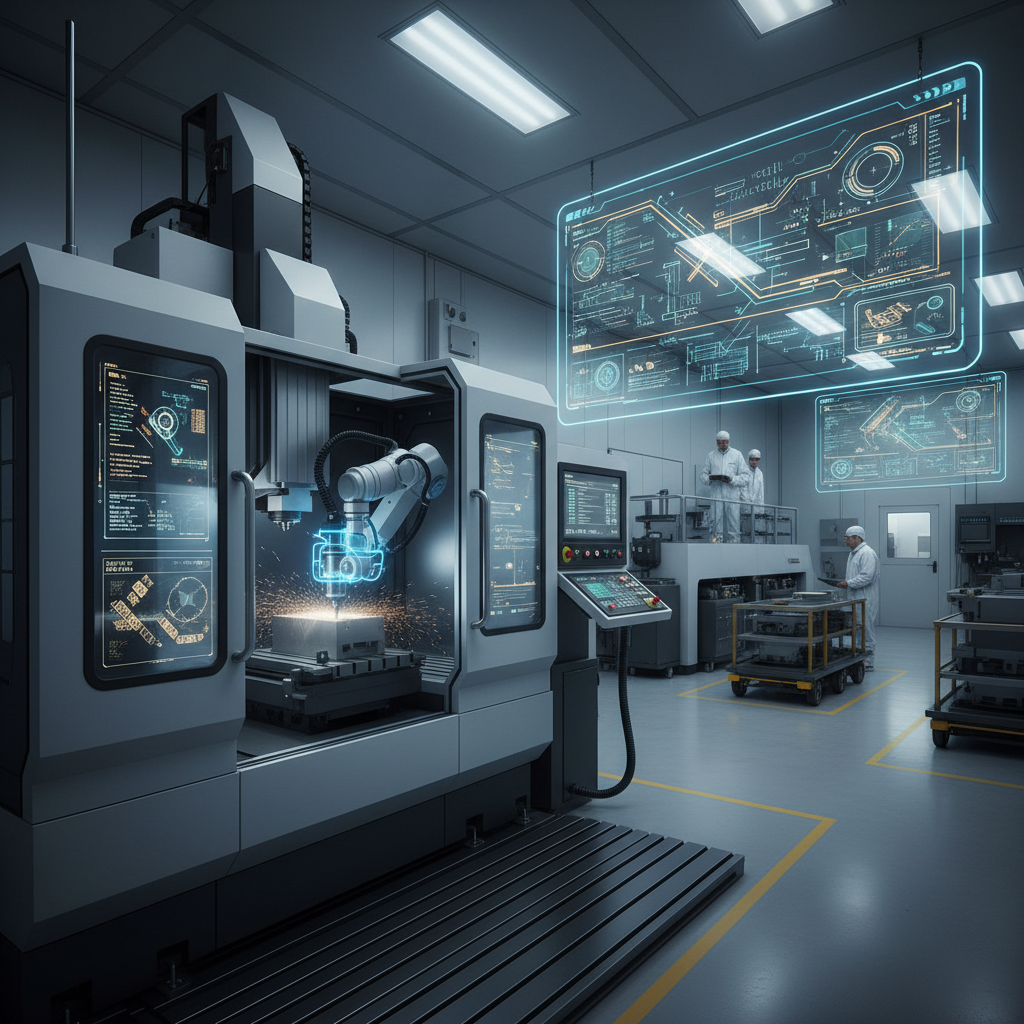
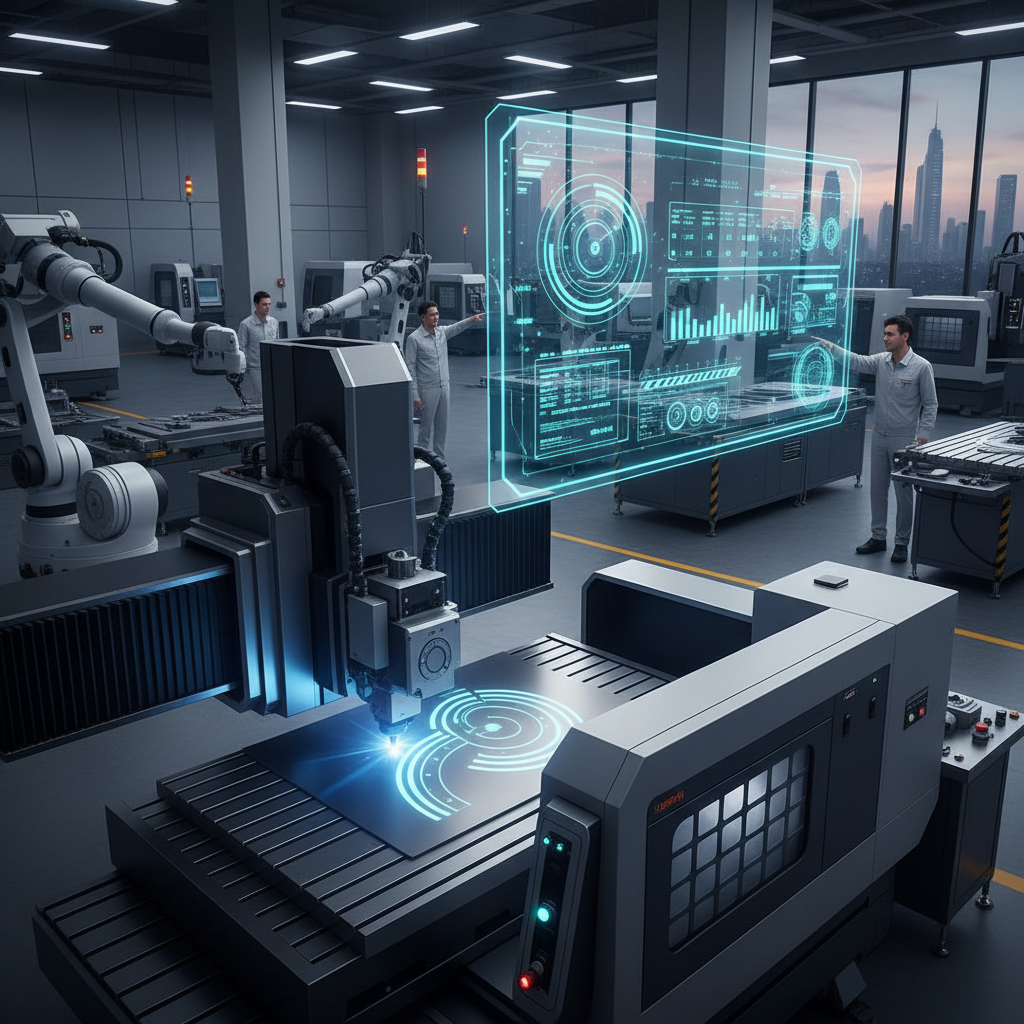
In 2025, the integration of AI and automation into CNC cutting processes is poised to revolutionize precision manufacturing. As industries increasingly adopt advanced digital manufacturing technologies, the demand for efficient and high-precision tasks grows. AI-driven algorithms can optimize machining paths, enhance tool management, and reduce cycle times, resulting in higher productivity and minimized waste. By leveraging data analytics, manufacturers can make informed decisions, leading to improved operational efficiency and product quality.
Moreover, the shift towards environmentally friendly solutions has prompted the development of automated systems that lower operational costs while maintaining high standards of performance. These innovations enable manufacturers to transition from traditional methods to more sustainable practices, addressing both economic and ecological concerns. The combination of CNC technology with AI and automation not only enhances precision but also sets the stage for a more efficient and sustainable future in manufacturing.